

Thermoplastic Elastomers (TPE) have revolutionized modern manufacturing, bridging the gap between the flexibility of traditional rubber and the high-speed processing of plastics. However, working with TPE requires a nuanced understanding of its unique properties.
Au IDEAL PRO, we’ve spent over 18 years delivering turnkey manufacturing solutions and guiding clients through nearly 3,000 diverse product developments. Through this experience, we’ve learned that TPE success relies on more than just selecting the right resin—it demands precision engineering from design to mass production.
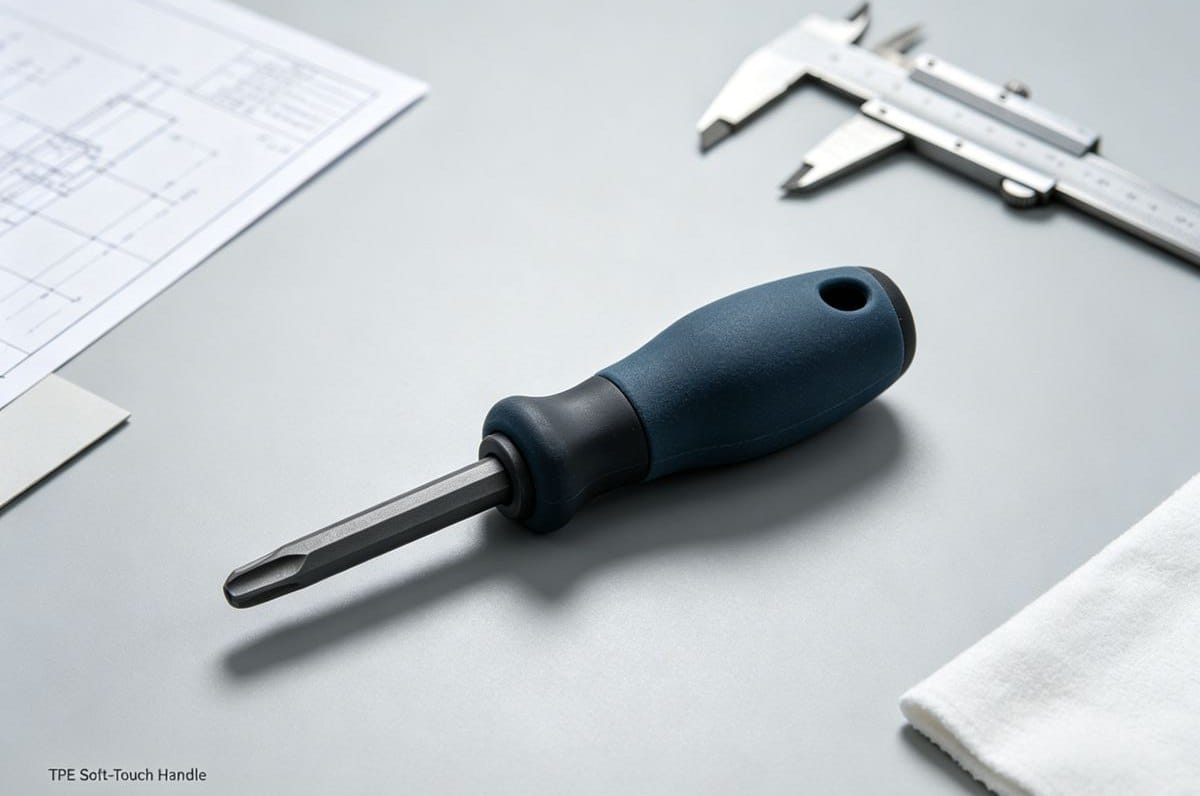
In this comprehensive guide, we break down everything you need to know about TPE injection molding, from material selection and DFM guidelines to troubleshooting common defects.
What is TPE Injection Molding?
TPEs are a class of copolymers consisting of both hard thermoplastic segments and soft elastomeric segments. This dual-phase structure gives TPE its unique ability to stretch like rubber while being melted and molded like plastic.
TPE vs. Thermoset Rubber & Silicone
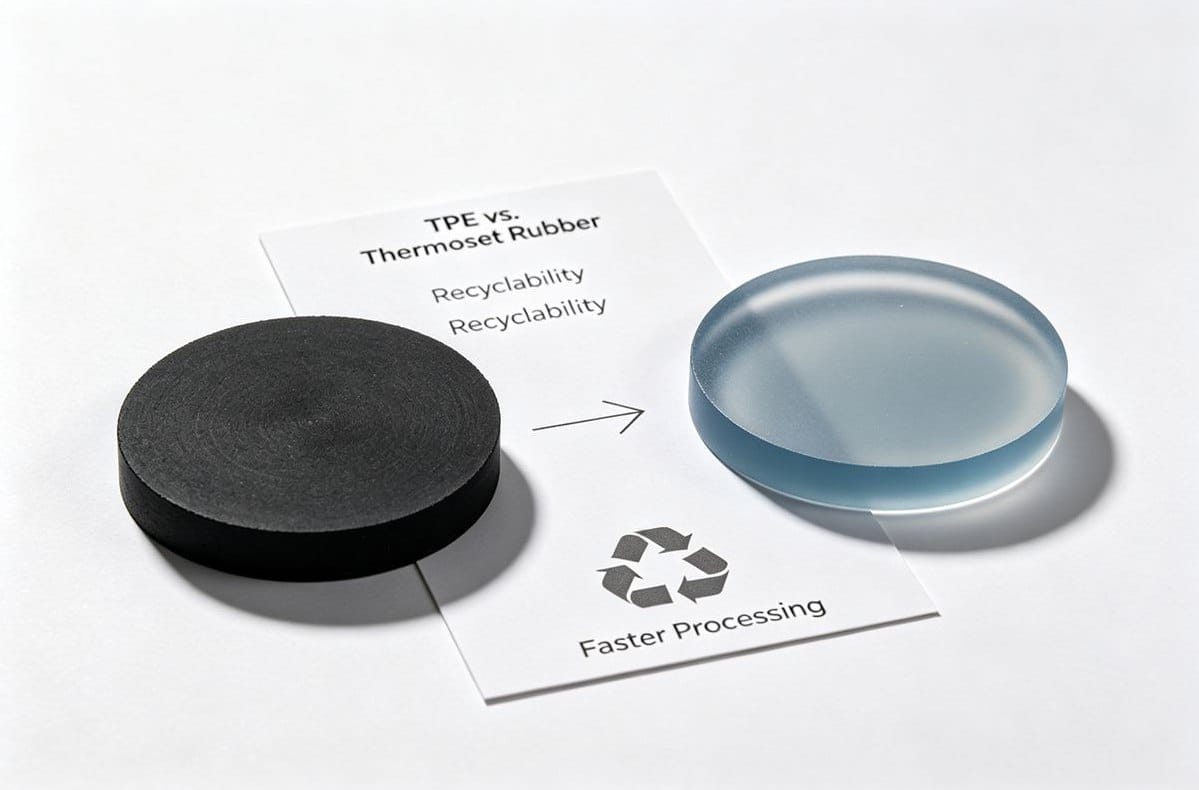
Unlike thermoset rubbers that undergo irreversible chemical cross-linking (vulcanization), TPEs are non-crosslinked. This fundamental difference offers massive advantages for global buyers:
- Faster Cycle Times: No curing time means significantly faster production.
- 100% Recyclability: Sprues, runners, and rejected parts can be reground and reused.
- Design Flexibility: Ideal for complex overmolding and multi-shot molding.
Choosing the Right TPE Material: Properties & Applications
Selecting the correct TPE family is critical for balancing performance, aesthetics, and cost. Here is a quick-reference matrix for the most common grades:
| TPE Family | Key Characteristics | Ideal Applications |
|---|---|---|
| SBC (Styrenics) | Soft-touch, excellent clarity, low cost | Consumer grips, toys, soft gaskets |
| TPU (Urethanes) | High abrasion resistance, toughness, clear | Phone cases, footwear, industrial wheels |
| TPV & TPO (Olefins) | Weather/UV resistant, low density, durable | Automotive seals, bumpers, outdoor trims |
| COPE & PEBA | High-temp resistance, superior fatigue life | Medical tubing, sports equipment, auto boots |
Advanced TPE
Moulage par injection Process Parameters
Processing TPE requires precise control, as these materials are highly sensitive to temperature and shear.
Moisture Management
Hygroscopic TPEs like TPU, COPE, and PEBA must be dried before processing to prevent splay, bubbles, and degraded mechanical properties. Typical drying parameters are 80°C–100°C for 2–4 hours, targeting a moisture content below 0.05%.
Precision Temperature & Pressure Control
- Barrel & Melt Temp: Generally ranges from 170°C to 230°C. Overheating can cause thermal degradation, while underheating leads to short shots. To learn more about resin thermal damage, read our guide: Why Does Plastic Degrade in Injection Molding?
- Mold Temp: Maintained between 30°C and 70°C to ensure even cooling and minimize warpage.
- Injection Speed: Multi-stage profiling is essential. A slower initial speed allows air to escape, followed by high speed to fill the cavity before the material cools.
Overmolding Compatibility
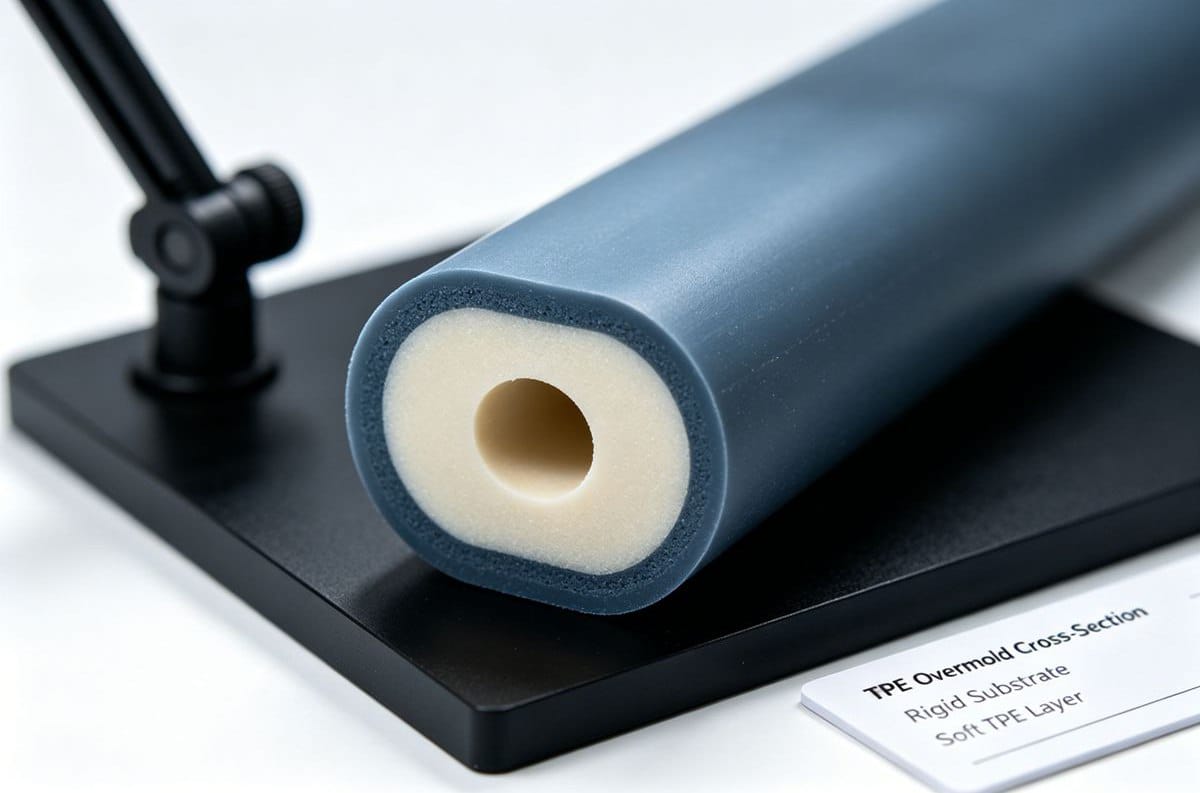
TPE is widely used for "soft-over-hard" applications. Ensuring a strong chemical or mechanical bond between the TPE and the rigid substrate (PP, ABS, PC, Nylon) requires matching material families and optimizing the melt temperature during the second shot. If you plan two-shot TPE products, check our dedicated design guide: Considérations relatives à la conception des produits de moulage par injection de TPE en deux temps
Critical DFM Guidelines for TPE Mold Design
Designing molds for TPE differs significantly from rigid plastics. At IDEAL PRO, our technical teams always optimize DFM before cutting steel to prevent costly rework.
- Wall Thickness: Maintain uniform walls between 1.0mm and 3.0mm. Thick sections cool slower and are prone to sink marks and voids.
- Draft Angles: Because TPE is flexible and can grip the mold, a minimum draft angle of 1° to 2° is required. Softer, high-friction grades may require 3° or more.
- Ejection Systems: Avoid small ejector pins that can puncture or tear soft materials. Use ejector plates or large-diameter pins acting on stiff sections.
- Venting: TPE traps air easily. Shallow vent grooves (0.01–0.02 mm) at the end of flow paths are necessary to prevent burn marks and short shots.
Troubleshooting Common TPE Molding Defects
Even with perfect DFM, process tuning is often required. Here are proven solutions for frequent issues:
| Common Defect | Primary Cause | Engineering Solution |
|---|---|---|
| Flash / bavures | Excessive injection pressure or poor mold clamping | Reduce injection pressure; verify clamp tonnage and mold sealing surfaces. |
| Marques d'évier | Uneven cooling in thick wall sections | Core out thick areas; optimize packing pressure and cooling time. |
| Poor Adhesion | Incompatible substrate or low melt temp | Verify material compatibility; increase TPE melt temp to improve bonding. |
| Splay / Bubbles | Moisture in resin or thermal degradation | Dry material properly; reduce barrel temperature and residence time. |
Global Industry Applications
TPE’s versatility makes it indispensable across multiple sectors:
- Consumer Electronics: Ergonomic grips, waterproof seals, and shock-absorbing protective housings.
- Automotive: Under-hood seals, interior dash trims, and EV battery gaskets.
- Medical Devices: FDA-compliant wearable bands, flexible tubing, and ergonomic surgical instrument grips.
- Industrial & Sporting Goods: Waterproof grommets, vibration dampeners, high-flex fatigue-resistant components.
Sustainability & Total Cost of Ownership
For procurement and sustainability officers, TPE offers undeniable financial and environmental benefits. The elimination of vulcanization drastically reduces energy consumption and cycle times. Furthermore, the closed-loop recycling of TPE scrap minimizes material waste, significantly lowering the Total Cost of Ownership compared to silicone or liquid rubber mass production.
Questions fréquemment posées
Can TPE be used for double-shot overmolding? Yes. TPE is ideal for two-shot molding, provided the TPE grade is chemically compatible with the rigid substrate and the mold is designed for proper bonding. For a full comparison between overmolding and insert molding processes, see: Overmolding vs. Insert Molding — Key Differences & Use Cases
Which TPE grade works best for outdoor UV exposure? TPV and TPO grades generally offer superior weatherability and UV resistance, making them the standard for automotive and outdoor applications.
Is TPE medical grade FDA & EU REACH compliant? Many medical-grade TPEs (especially specific TPU and SBC formulations) are fully compliant with FDA, USP Class VI, and EU REACH standards for biocompatibility.
Final Checklist: Selecting the Right TPE Grade
Don't just select a TPE grade—engineer your entire process around it. When starting your next project, evaluate your required Shore hardness, chemical exposure, temperature limits, and overmolding substrate.
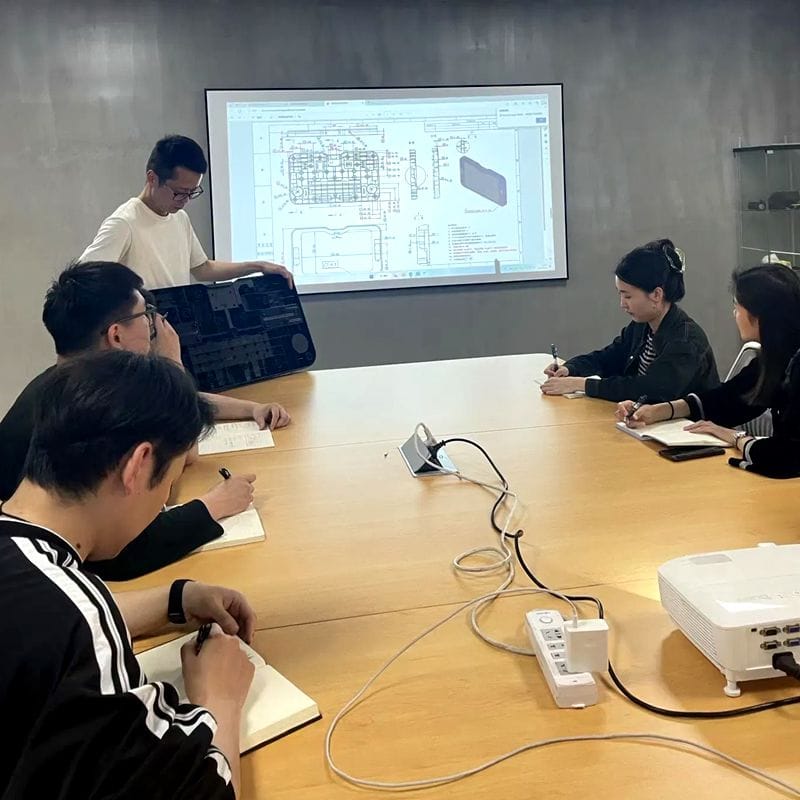
Ready to bring your TPE product to life? Au IDEAL PRO, our end-to-end turnkey solutions cover everything from rapid prototyping to full-scale production. Whether you need DFM optimization or high-volume manufacturing, our expert team is ready to ensure your success.


 English
 French
 Dutch
Dutch German
 Japanese
 Korean