

The world of manufacturing offers various methods, but not all are created equal. Reaction Injection Molding (RIM) stands out as a unique process that can meet specific needs.
Reaction Injection Molding (RIM) is a versatile manufacturing technique that combines two liquid components to create solid parts. It is especially useful for complex shapes and large volumes.
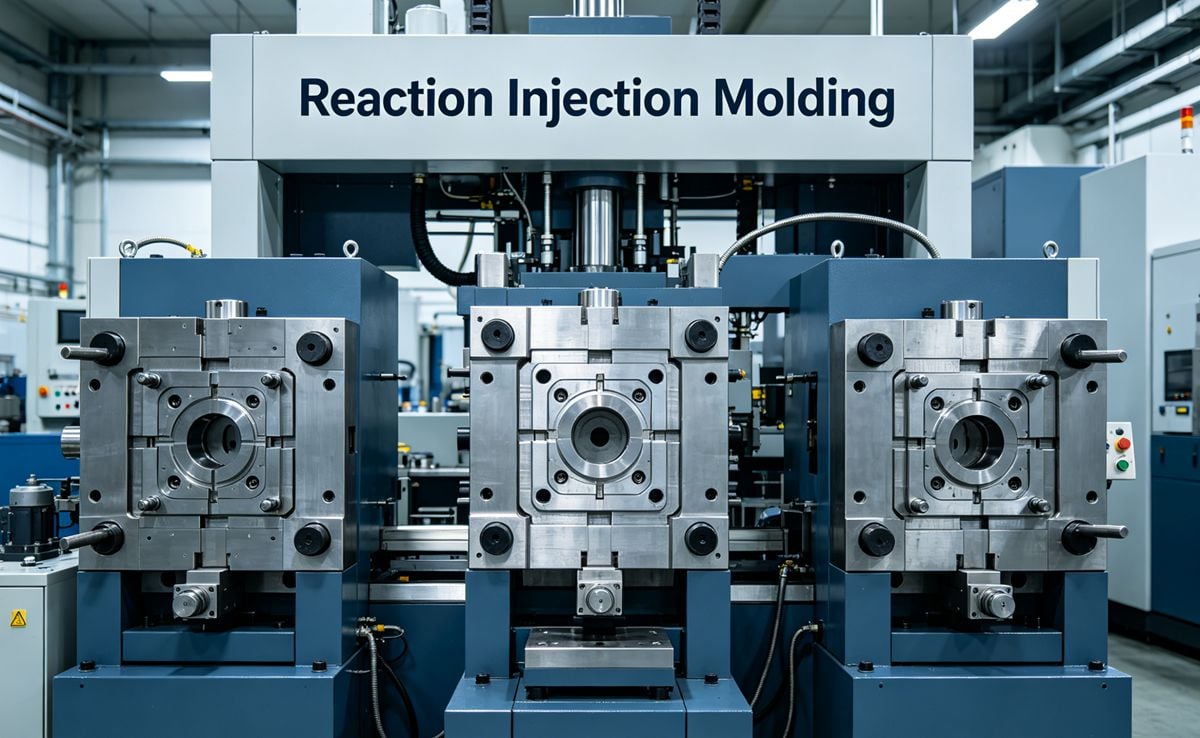
The RIM process is gaining traction in industries that require durability and precision. But how does it work? Let's dive into the details.
What is Reaction Injection Molding (RIM)? A Comprehensive Overview?
RIM is a process that combines two reactive liquid components. When mixed, they undergo a chemical reaction that results in a solid material. This method is particularly suitable for creating large parts with intricate designs.
RIM allows for the production of lightweight, strong parts that can be tailored for various applications. It is different from traditional injection molding in its process and material properties.
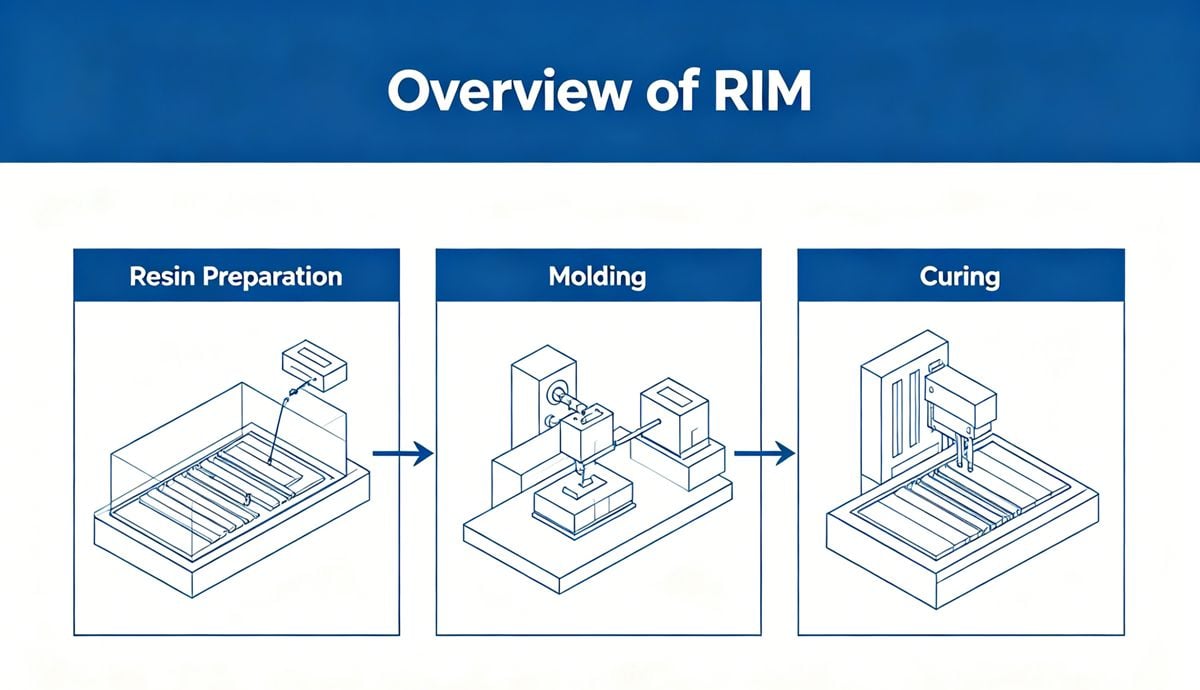
Understanding the basics of RIM is crucial. It sets the stage for exploring the process and materials involved. Let's break down how this fascinating process works.
How Does the RIM Process Work? Step-by-Step Guide?
The RIM process involves several essential steps. First, the raw materials are prepared. Then, they are mixed and injected into a mold. Finally, the material cures and solidifies into the desired shape.
RIM typically consists of two components: an isocyanate and a polyol. These two substances react to form a polyurethane material, which is strong and versatile.
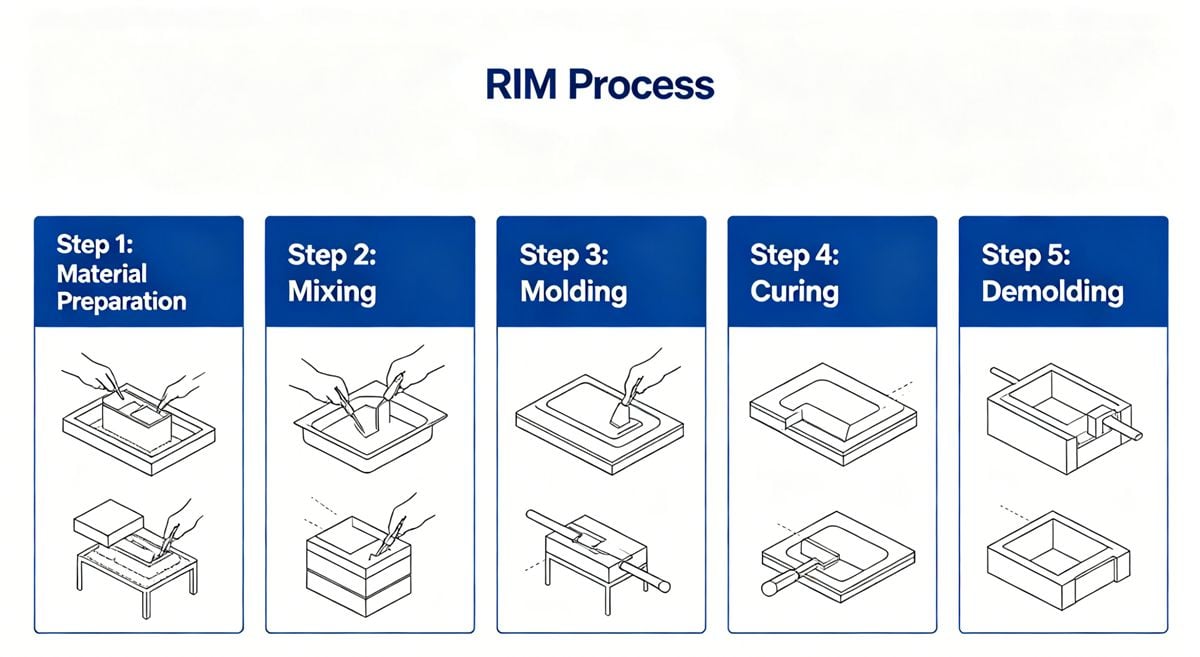
To give you a clearer picture, here’s a detailed breakdown of the RIM process:
- Mold Preparation: The mold is cleaned and prepped for the injection.
- Material Mixing: The isocyanate and polyol are measured and mixed in a specified ratio.
- Injection: The mixture is injected into the mold under pressure.
- Curing: The material reacts and cures within the mold, forming the final product.
- Demolding: After curing, the part is removed from the mold.
Understanding these stages is crucial for anyone interested in RIM. It highlights how RIM meets the demands of modern manufacturing.
Key Materials Used in Reaction Injection Molding
The choice of materials in RIM plays a significant role. The primary materials used are isocyanates and polyols. These materials create a strong bond when mixed.
The selection of materials affects the finished part's properties, such as flexibility, hardness, and resistance to chemicals.
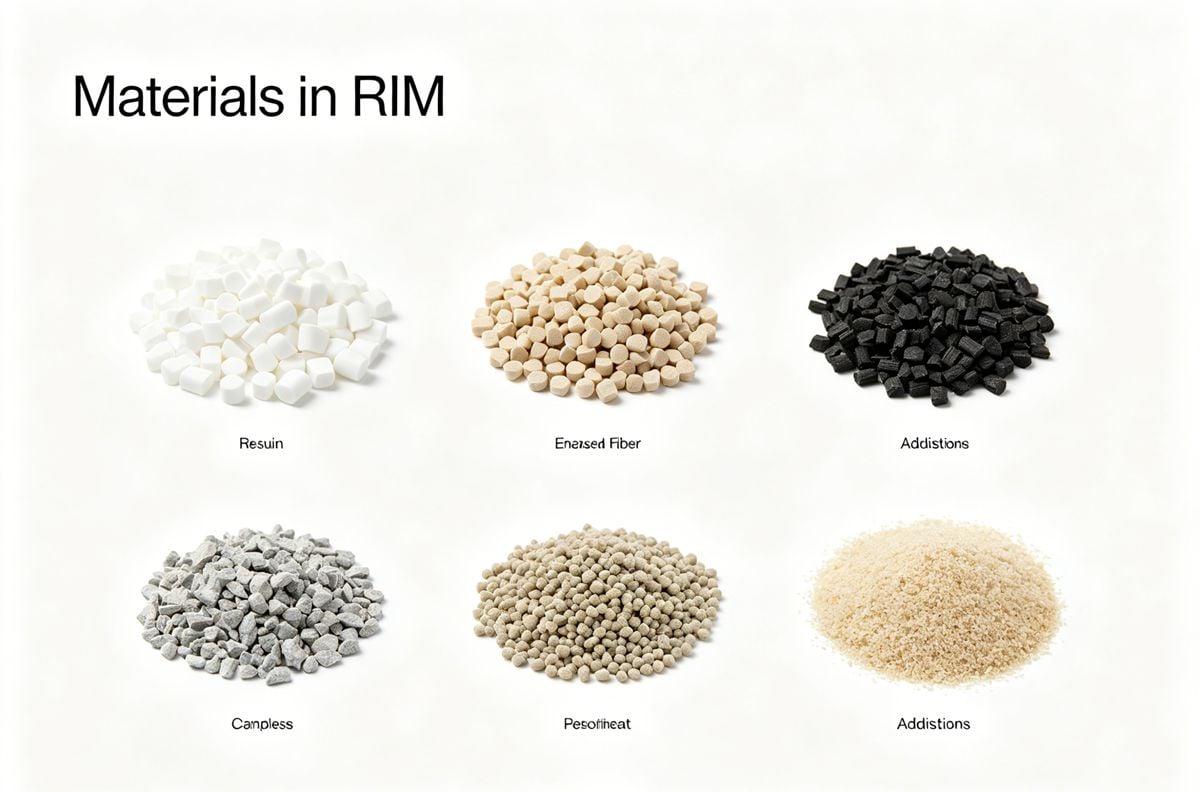
Here’s a closer look at some key materials:
| Type de matériau | Description | Applications |
|---|---|---|
| Isocyanates | Reactive agents that form the backbone of polyurethane. | Used in automotive parts, furniture, etc. |
| Polyols | These provide versatility and can modify properties. | Ideal for coatings, adhesives, and foams. |
| Additives | Include catalysts and modifiers for specific needs. | Enhance performance, color, and durability. |
Using the right materials can lead to significant improvements in product quality and performance. This is why selecting materials carefully is essential for RIM projects.
RIM vs. Traditional Injection Molding: Which is Right for Your Project?
Both RIM and traditional injection molding have their pros and cons. The choice between the two methods depends on several factors, including project requirements and budget.
RIM excels in producing larger, more complex parts. Traditional injection molding is often favored for high-volume, smaller parts.
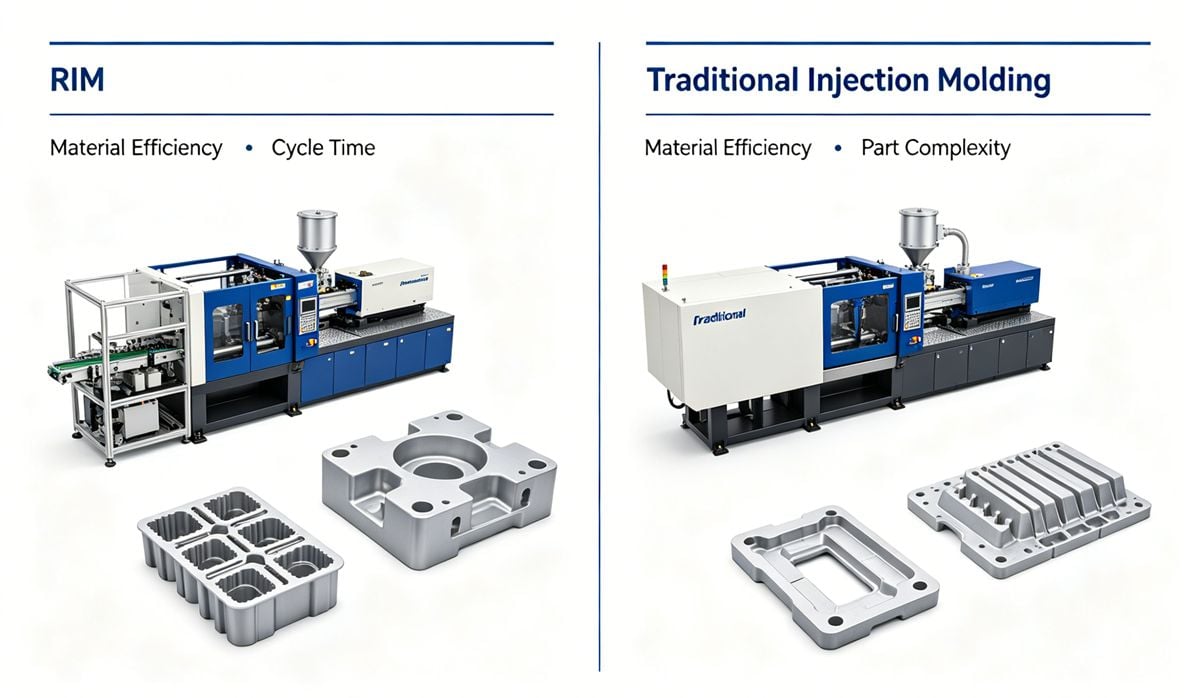
Here’s a quick comparison:
| Feature | Reaction Injection Molding | Traditional Injection Molding |
|---|---|---|
| Part Size | Large and complex | Small to medium |
| Production Volume | Low to medium | High volume |
| Propriétés des matériaux | Customizable | Fixed properties |
| Délai d'exécution | Longer | Shorter |
Deciding which method to use depends on your specific needs. Consider factors like part size, volume, and desired properties.
Top Benefits and Advantages of RIM Manufacturing
RIM offers numerous benefits that make it an attractive option for many businesses. One significant advantage is its ability to produce lightweight yet durable parts.
RIM allows for customization in design and material properties, making it suitable for various applications and industries.
Some key advantages of RIM include:
- Cost-Effective for Low Volumes: Ideal for projects requiring fewer parts.
- Versatility in Design: Ability to create complex shapes and sizes.
- Enhanced Material Properties: Customizable properties for specific applications.
- Reduced Waste: Material usage is optimized, leading to less waste.
These benefits make RIM an appealing choice. It's an excellent option for companies looking to innovate while managing costs.
Common Applications and Industries Served by RIM
RIM is used across various industries due to its unique properties. It is especially prevalent in automotive, aerospace, and consumer goods.
The versatility of RIM makes it suitable for a wide range of applications, from parts to prototypes.
Here are some common applications of RIM:
| Industry | Application |
|---|---|
| Automobile | Bumpers, dashboards, and interior components. |
| Aerospace | Lightweight structural components. |
| Consumer Goods | Household items, furniture, and appliances. |
| Dispositifs médicaux | Custom and durable medical equipment. |
The adaptability of RIM allows it to serve various sectors effectively. This is one of the reasons its popularity continues to grow.
Design Guidelines for RIM Parts (DFM Tips)
Designing for RIM requires specific considerations. Adhering to Design for Manufacturability (DFM) principles can enhance the outcome.
Considering factors such as wall thickness and mold design can lead to more successful RIM projects.
Here are some essential tips for designing RIM parts:
- Uniform Wall Thickness: Aim for consistent wall thickness to ensure even curing.
- Angles d'ébauche: Incorporate draft angles for easier demolding.
- Radii and Fillets: Use radii to reduce stress concentrations in corners.
- Avoid Sharp Edges: These can lead to defects during the molding process.
Following these guidelines can help you create successful RIM parts and avoid common pitfalls.
Limitations and Considerations of Reaction Injection Molding
While RIM has many advantages, it also has limitations. Understanding these can help you determine if it's the right choice for your project.
RIM can be more expensive than traditional methods for high-volume production. Additionally, the curing time can affect turnaround times.
Some limitations to keep in mind include:
- Higher Initial Costs: More expensive molds and materials can increase upfront costs.
- Longer Lead Times: The curing process can slow down production.
- Material Limitations: Not all materials are suitable for RIM.
Being aware of these limitations will help you make informed decisions about your manufacturing process.
FAQ: Everything You Need to Know About RIM
Understanding RIM can lead to better project outcomes. Here are some frequently asked questions to clarify your knowledge.
1. What is the main advantage of RIM?
RIM allows for the production of large, complex parts with customizable properties.
2. How does RIM compare to traditional injection molding?
RIM is better for lower volumes and complex shapes, while traditional molding is ideal for high-volume production.
3. What materials are commonly used in RIM?
Isocyanates and polyols are the primary materials used in RIM.
4. Are there design considerations specific to RIM?
Yes, uniform wall thickness and draft angles are critical for successful RIM parts.
5. What industries benefit from RIM?
RIM is widely used in automotive, aerospace, consumer goods, and medical devices.
Understanding these common questions can help demystify the RIM process and aid in your project planning.
Conclusion
Reaction Injection Molding (RIM) is a powerful manufacturing technique that offers unique benefits and applications, making it an essential tool in modern production.




 English
 French
 Dutch
Dutch German
 Japanese
 Korean