

In the automotive industry's gram-by-gram lightweighting race, engineers are constantly searching for that "magic material" capable of perfectly balancing performance, cost, and efficiency. Today, we turn our attention to an increasingly shining star—Long Fiber Reinforced Thermoplastics (LFT), specifically its application in moulage par injection processes. It is not only a main force in the wave of "replacing steel with plastic" but also one of the key technologies driving the automotive industry toward a green future.
What is LFT Injection Molding?
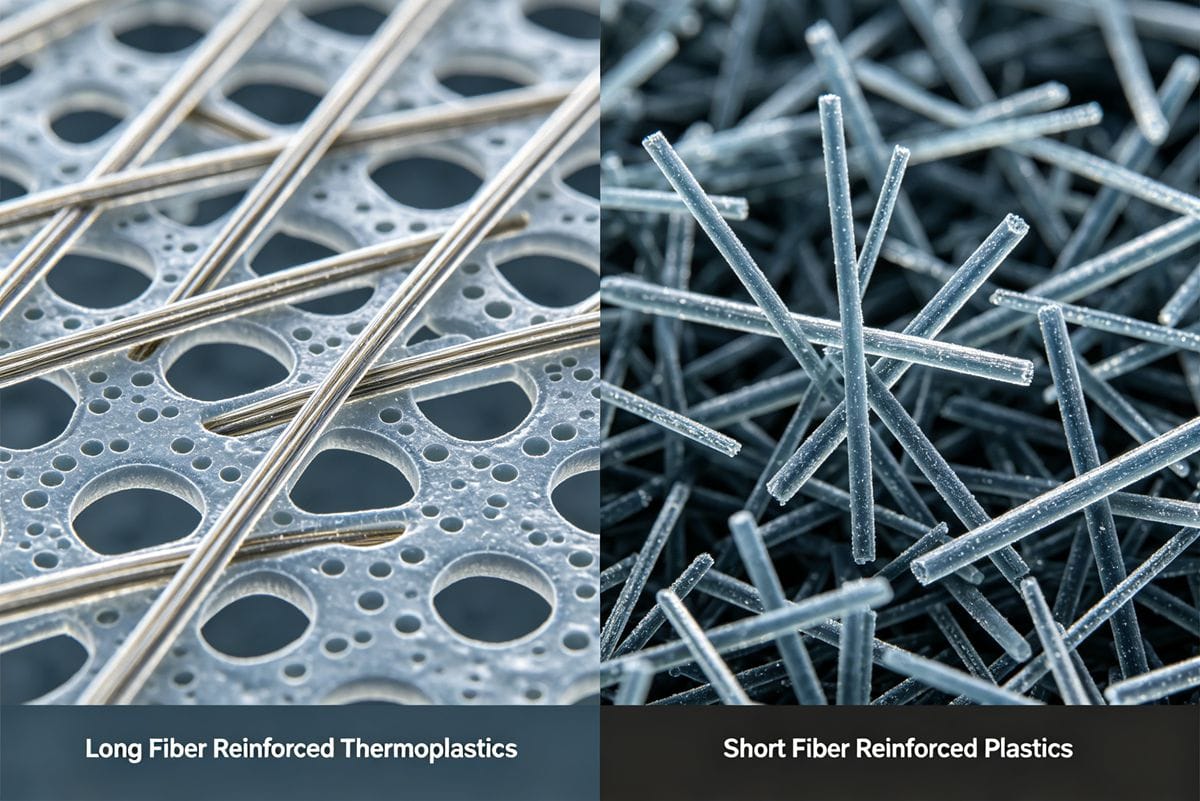
Simply put, LFT stands for Long Fiber Reinforced Thermoplastics. Unlike the short fiber reinforced plastics we commonly see, the glass or carbon fibers in LFT typically exceed 10 millimeters in length, and can even reach over 25 millimeters. These long fibers act like rebar in construction, forming a powerful three-dimensional network structure within the thermoplastic resin matrix (such as Polypropylene PP or Nylon PA).
LFT injection molding is the process where granules containing these long fibers are heated until molten and then injected into a mold under high pressure to form complex parts in a single step. This process is not only highly efficient but also endows the final product with exceptional mechanical properties.
Why Does the Auto Industry Have a Soft Spot for LFT Injection Molding?
LFT injection molding has become the new favorite of car manufacturers because of several core advantages that precisely hit the pain points of the modern automotive industry.
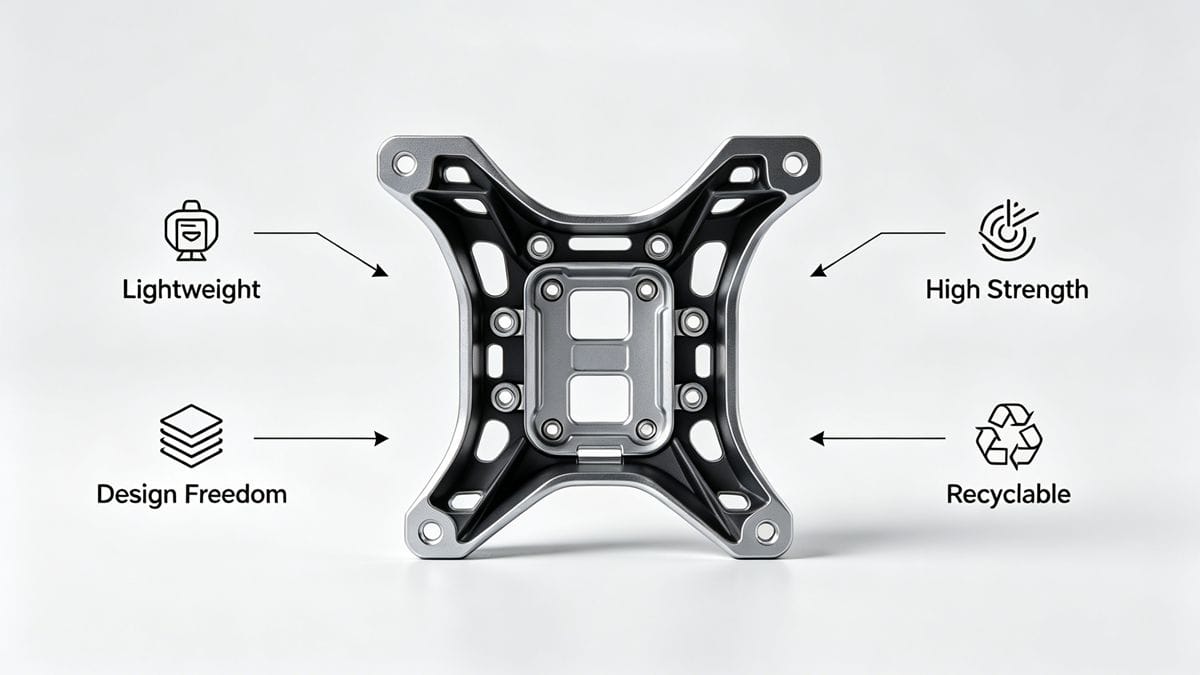
Ultimate Lightweighting Effect Compared to traditional steel, LFT parts have a much lower density, yet their strength and stiffness are comparable. Replacing metal parts with LFT can achieve a significant weight reduction of 30%-45%. For electric vehicles, every kilogram shed from the body means a tangible increase in driving range.
Mechanical Properties Rivaling Metal Thanks to the reinforcing effect of long fibers, LFT parts possess extremely high specific strength, specific modulus, and excellent impact toughness. This makes them suitable for safety-critical structural components like bumper beams and seat frames, effectively absorbing energy during collisions to protect occupants.
Superior Design Freedom and Integration The greatest charm of injection molding lies in its ability to shape complex geometries. Designers can break free from the limitations of metal stamping and welding, integrating the functions of multiple parts into a single LFT injection molded piece for "integrated" production. This not only simplifies assembly processes and reduces manufacturing costs but also cuts down on fasteners, further reducing weight.
Green, Eco-friendly, and Sustainable As a thermoplastic material, LFT boasts excellent recyclability. Scraps and production waste can be crushed and reused, aligning with the requirements of a circular economy. Furthermore, by incorporating post-consumer or post-industrial recycled resins, the product's carbon footprint can be further reduced, helping automakers meet stringent environmental targets.
LFT Injection vs. Traditional Processes: A Battle of Performance
To more intuitively understand the advantages of LFT injection molding, let's compare it with two common automotive part manufacturing processes.
| Feature | LFT Injection Molding | Traditional Metal Manufacturing (Steel/Aluminum) | SMC Compression Molding (Thermoset) |
|---|---|---|---|
| Weight | Light (Low Density) | Heavy | Moyen |
| Strength/Stiffness | Haut (Controllable Anisotropy) | High (Isotropic) | Relatively High |
| Design Complexity | Extremely High (Easy Integration) | Low (Limited by Stamping/Casting) | Moyen |
| Production Efficiency | Haut (Short Cycle, Easy Automation) | Medium (Multi-step Process) | Low (Long Curing Time) |
| Corrosion Resistance | Excellent | Requires Surface Treatment | Bon |
| Recyclabilité | Excellent (Thermoplastic) | Excellent | Poor (Thermoset) |
| Main Cost Factor | Higher Material Cost | High Processing & Assembly Cost | Mold & Material Cost |
As seen from the table above, LFT injection molding achieves an optimal balance in overall performance, particularly standing out in lightweighting, design freedom, and production efficiency.
From Interiors to Structures: The "Battlefield" of LFT Injection Molding
Today, LFT injection molding technology is widely used across various automotive systems. Here are some typical application examples:
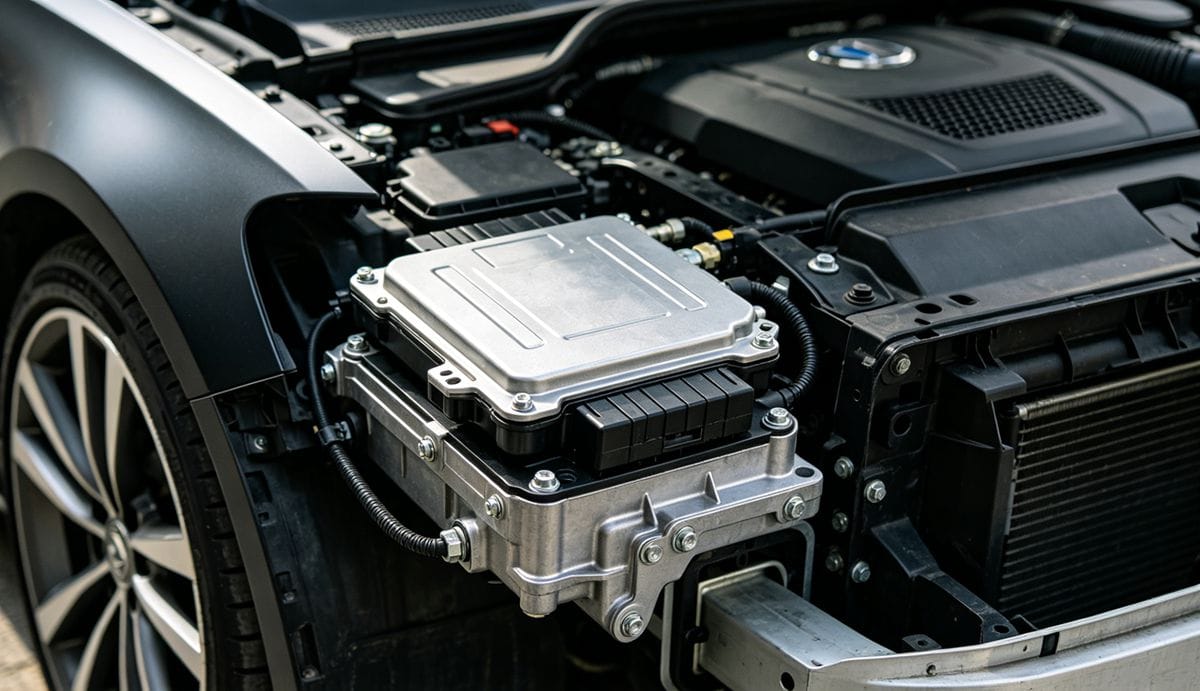
- Front-End Modules (FEM): This is one of the most classic applications of LFT. It consolidates complex assemblies originally made of a dozen metal parts into a single lightweight, robust plastic component, greatly simplifying operations on the final assembly line.
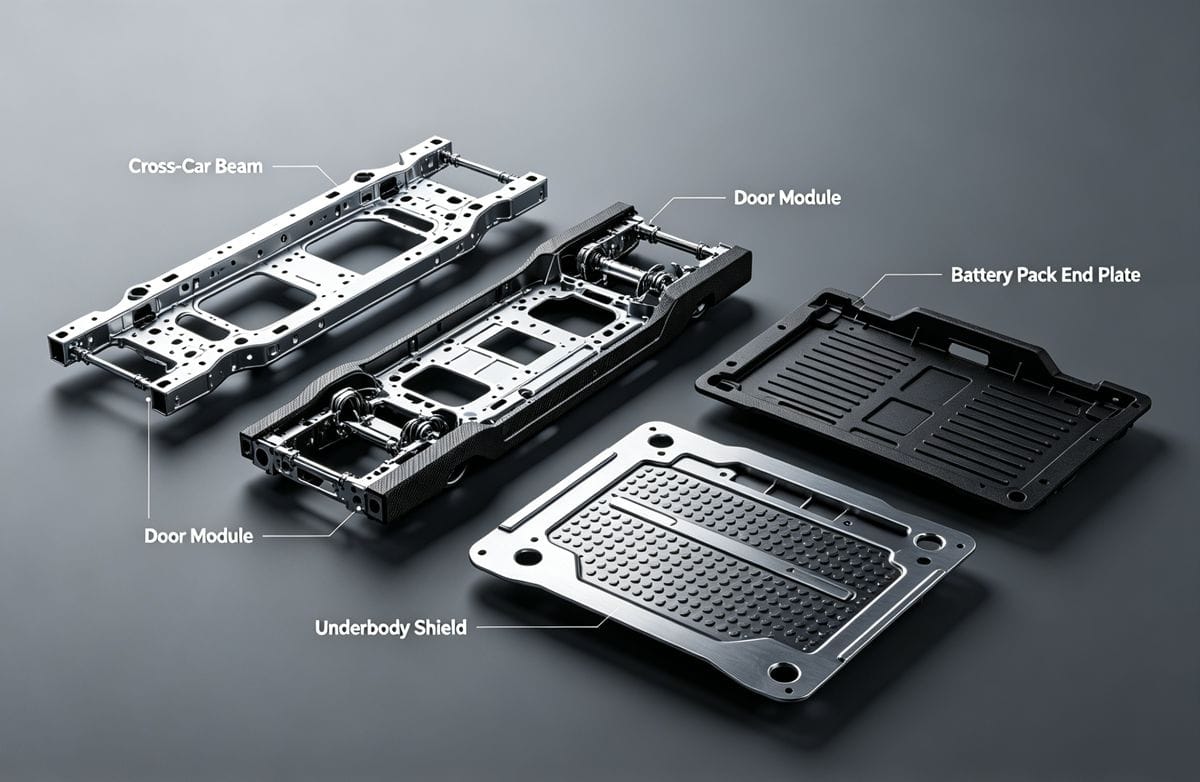
- Instrument Panel Cross-Car Beams (CCB): As a critical safety structural component inside the cabin, the instrument panel beam must withstand the immense impact force of airbag deployment. The high rigidity and toughness of LFT materials make them an ideal choice, while also effectively reducing noise and vibration.
- Door Modules and Seat Frames: LFT is used to manufacture lift mechanism brackets, speaker brackets inside doors, and seat back/cushion frames, achieving significant weight reduction while ensuring strength.
- New Energy Vehicle Battery Systems: With the popularity of EVs, the use of LFT in battery pack end plates, module brackets, and even battery housings is increasing. It not only provides necessary structural support and protection but its excellent electrical insulation and flame-retardant modification potential also ensure battery safety. For instance, specialty LFT materials developed by SABIC have been successfully applied in models like the Hyundai IONIQ 6.
- Underbody Shields and Spare Tire Wells: These components located at the bottom of the vehicle body need to withstand stone impacts, mud, water, and chemical corrosion. LFT materials excel here due to their outstanding chemical resistance and impact strength.
Challenges and Future: How Can LFT Go Further?
Despite the broad prospects, LFT injection molding still faces challenges in large-scale application.
- Cost Control: Compared to ordinary plastics and some metals, the initial cost of LFT materials remains relatively high. This needs to be gradually addressed through process optimization (such as developing LFT-D direct online injection molding technology), improving production efficiency, and using recycled materials.
- Surface Quality: During injection molding, long fibers may appear on the surface of the part, creating a phenomenon known as "fiber bloom," which affects appearance and subsequent painting. This requires improvement through optimized mold design, adjusted injection parameters, and the development of new surface treatment technologies.
- Molding Precision: Fiber orientation during flow leads to different shrinkage rates in various directions, potentially causing warpage. With advanced Computer-Aided Engineering (CAE) simulation tools, fiber orientation can be more accurately predicted and controlled, thereby enhancing molding precision.
Looking ahead, with advances in materials science and continuous innovation in manufacturing processes, we have reason to believe that LFT injection molding will play an increasingly central role in automotive lightweighting, contributing infinite "plastic" power to building more efficient, safer, and greener next-generation vehicles.
Au IDEAL PRO, we don’t just mold plastic; we engineer success. Our mission, “Sustainable Solutions, Enduring Excellence,” drives us to look beyond the immediate transaction. We are dedicated to forging partnerships that deliver tangible cost savings, enhanced quality, et production efficiency for the long haul. We don't stop at solving the problem; we provide the ongoing insights that keep your product ahead of the curve.
Don’t let outdated designs weigh you down. Whether you are looking to replace steel components or optimize an existing assembly, IDEAL PRO is ready to turn your vision into a high-performance reality.
Contact IDEALPRO today. Let’s build a lighter, stronger, and more sustainable future together.



 English
 French
 Dutch
Dutch German
 Japanese
 Korean