 English



injection molding
Home
injection molding
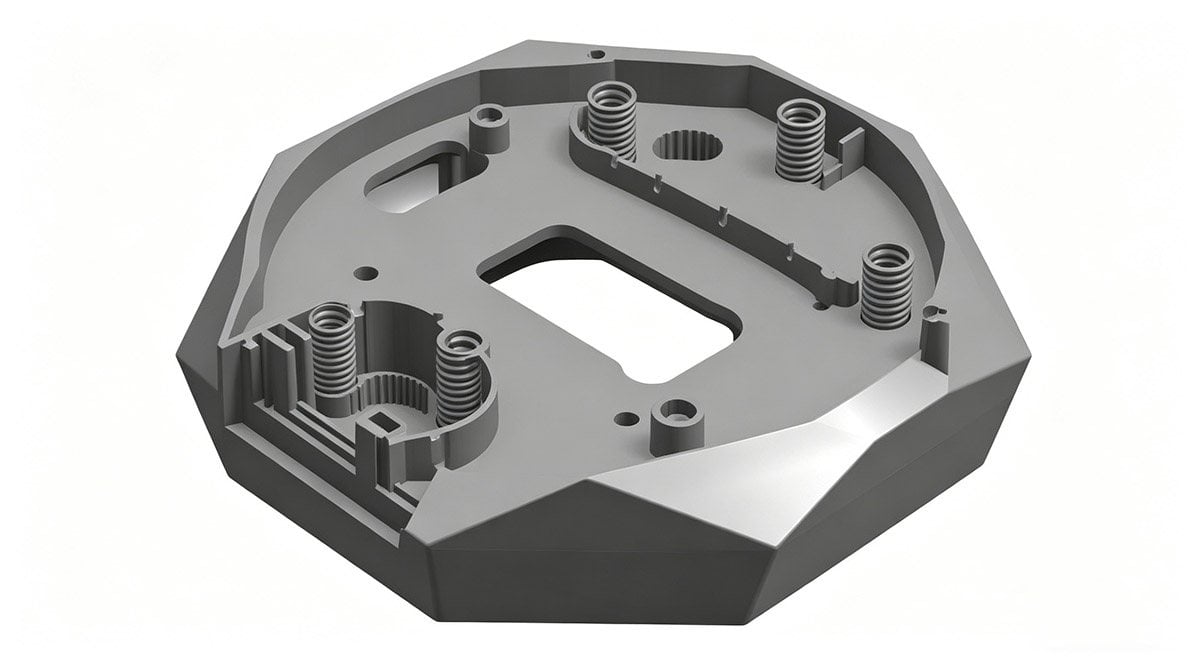
How to Eliminate Surface Defects in Custom Injection Molding Products Surface defects in injection molding parts[^1] such as dark spots, gloss variations, or orange peel—can significantly impact product aesthetics and quality. These issues typically manifest near the gate or behind sharp corners…
 Alex Yu
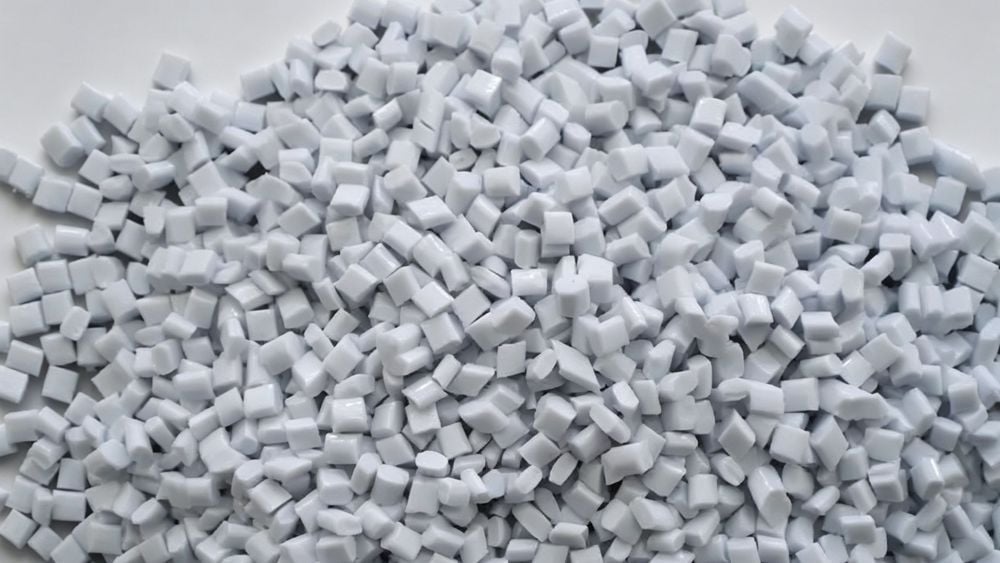
Introduction: Understanding Polycarbonate (PC) Polycarbonate (PC)[^1] is renowned for its exceptional performance, offering high transparency, excellent impact toughness, creep resistance, and a wide operating temperature range. However, processing this engineering plastic requires precision. Mastering PC Injection Molding: A Comprehensive Guide to Polycarbonate…
Alex Yu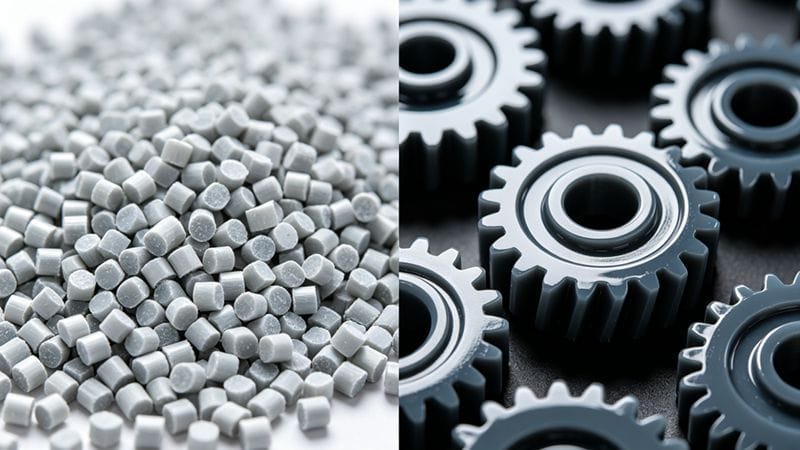
Injection Molding of Plastic Gears: A Comprehensive Guide to Materials and Process Plastic gears are evolving rapidly, moving toward larger dimensions, more complex geometries, and higher strength requirements. This shift is largely driven by advancements in high-performance resins[^1] and long-glass-fiber-filled composite materials.…
Alex Yu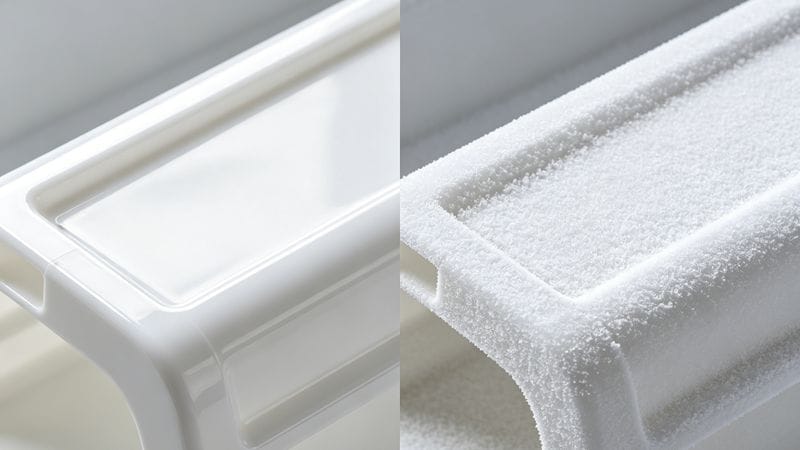
Introduction Selecting the right colorant for engineering plastics is a complex process. While many organic pigments, inorganic pigments, and solvent dyes work well for general thermoplastics, high-performance materials like Nylon (Polyamide) have strict requirements. Below, we explore the five critical performance characteristics…
Alex Yu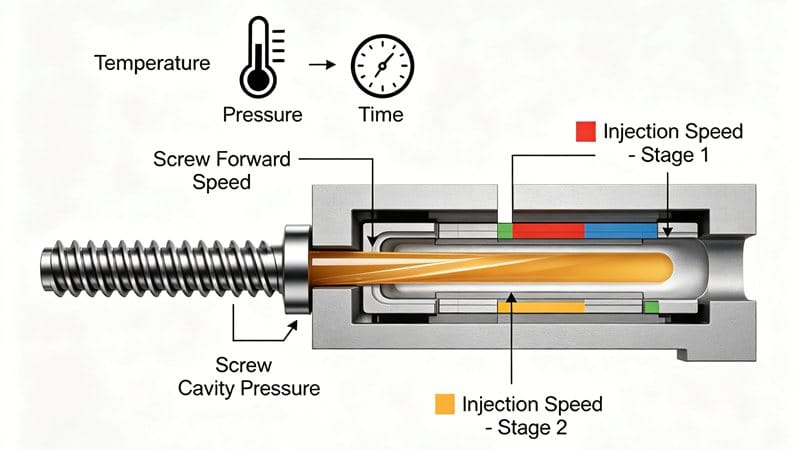
Mastering Injection Molding Speed Segmentation: The Ultimate Guide Injection Molding[^1] is a complex dance of temperature, pressure, and time. Among these, injection speed (ram speed)[^2] plays a pivotal role in determining the quality of the final part. Why is speed segmentation so…
Alex Yu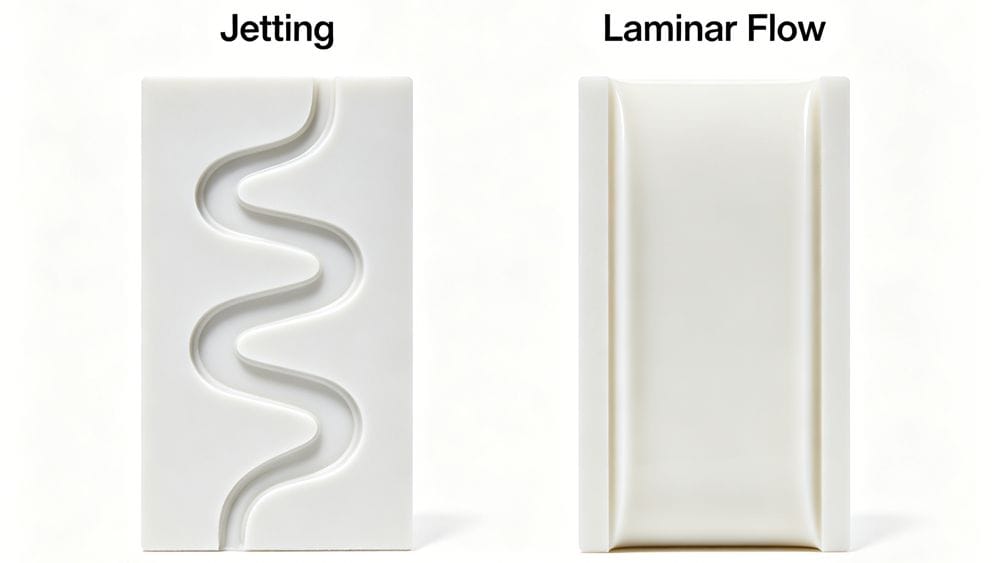
Injection speed (screw forward speed) is arguably the most critical parameter in the injection molding[^1] process. It has a direct and relationship with the quality of the finished part. By properly determining the start, middle, and end points of filling speed segments—and…
Alex Yu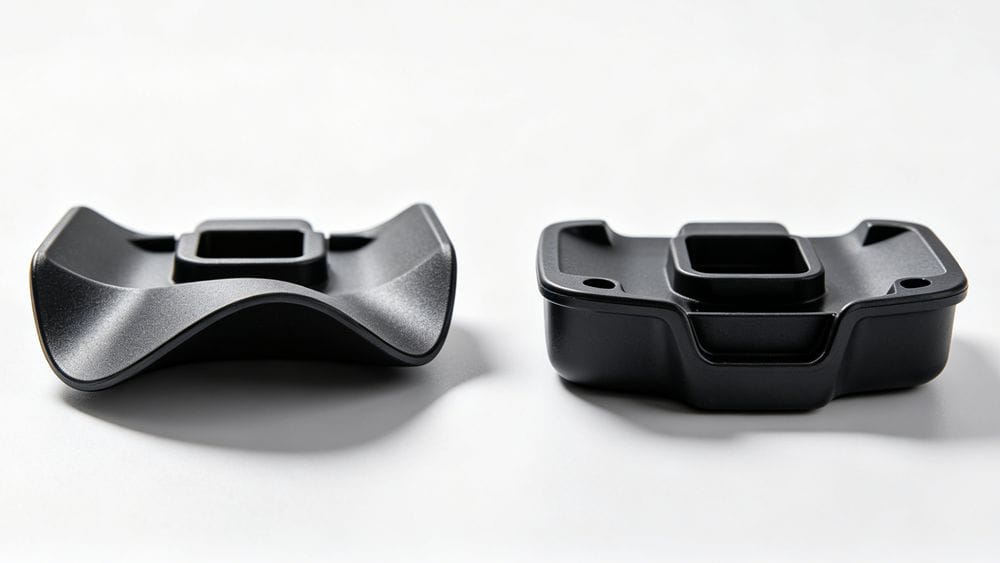
Thin-wall injection molding part showing warpage deformation Warpage deformation refers to the geometric distortion of an injection-molded part[^1], causing it to twist or bend away from its required shape precision. It remains one of the most stubborn and difficult defects to resolve…
Alex Yu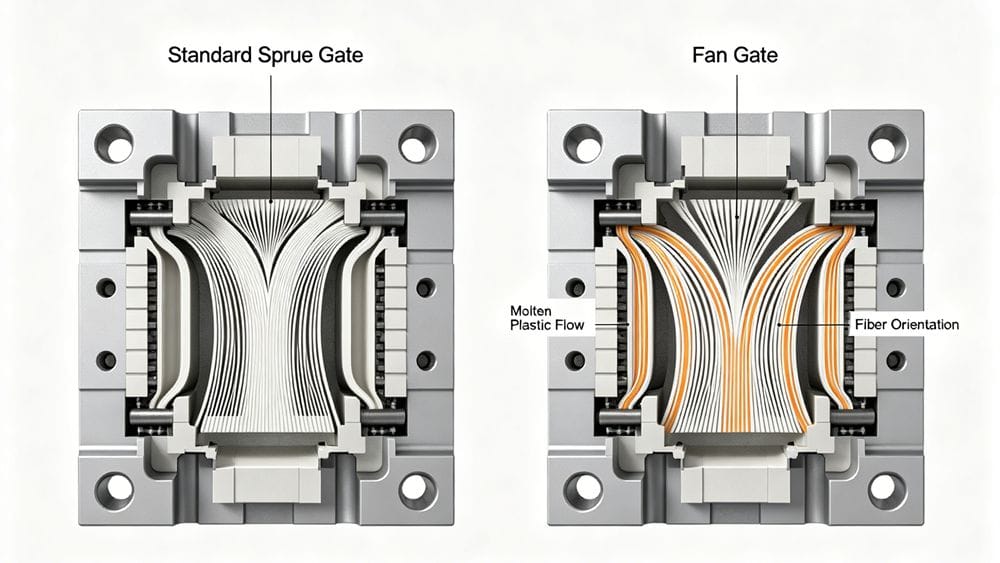
During mold trials, you might encounter a situation where the mold mechanisms run smoothly, but the parts suffer from severe aesthetic issues. A common problem is the appearance of radial white streaks on the surface, known in the industry as "Floating Fiber"…
Alex Yu
Heat-resistant ABS[^1] is a powerhouse material in the engineering plastics industry. However, achieving high-quality results requires a precise approach to processing. Standard ABS often lacks the thermal performance required for demanding applications. To bridge this gap, manufacturers have developed heat-resistant ABS resins…
Alex Yu English English
 French
 Dutch
 German
 Japanese
 Korean