 English



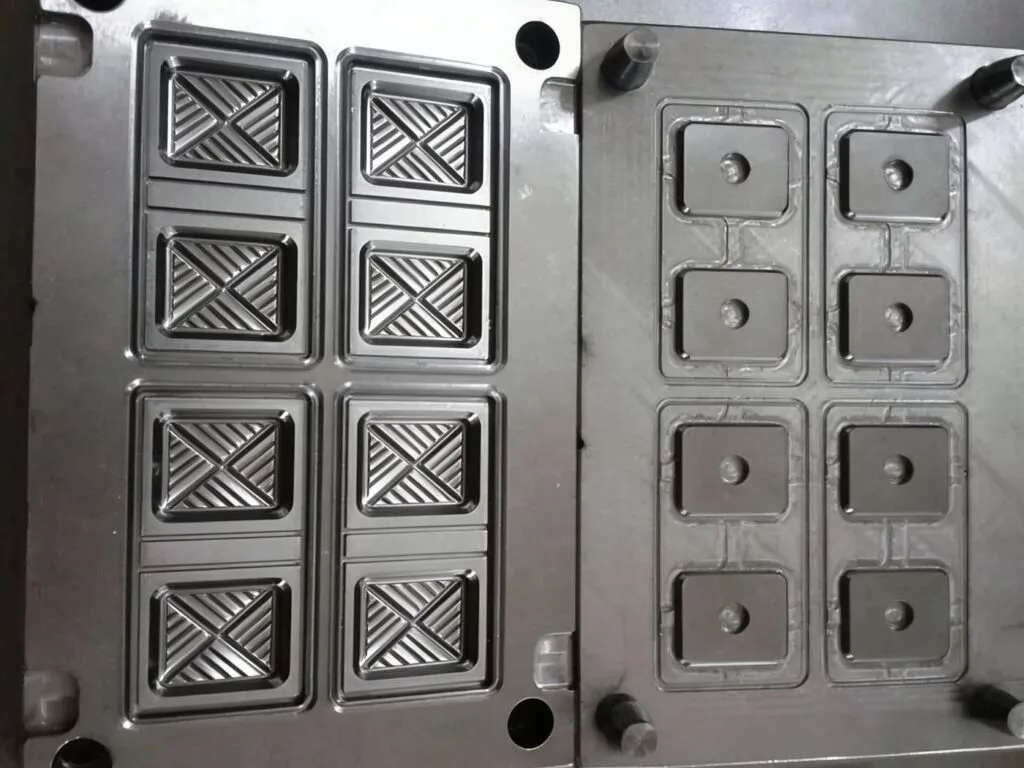
Why Choose Silicone Rubber Molds?
Silicone rubber molds[^1] are among the most accessible rapid tooling solutions in prototyping. Created by replicating RP (Rapid Prototyping) masters with liquid silicone, these molds deliver exceptional elasticity, dimensional accuracy, and replication fidelity. While service life is typically limited to 10–30 casts, key advantages include:
✅ No draft angles required
✅ Minimal impact on prototype dimensions
✅ Seamless monolithic casting (no complex mold separation)
✅ Easy demolding via strategic cutting along parting lines
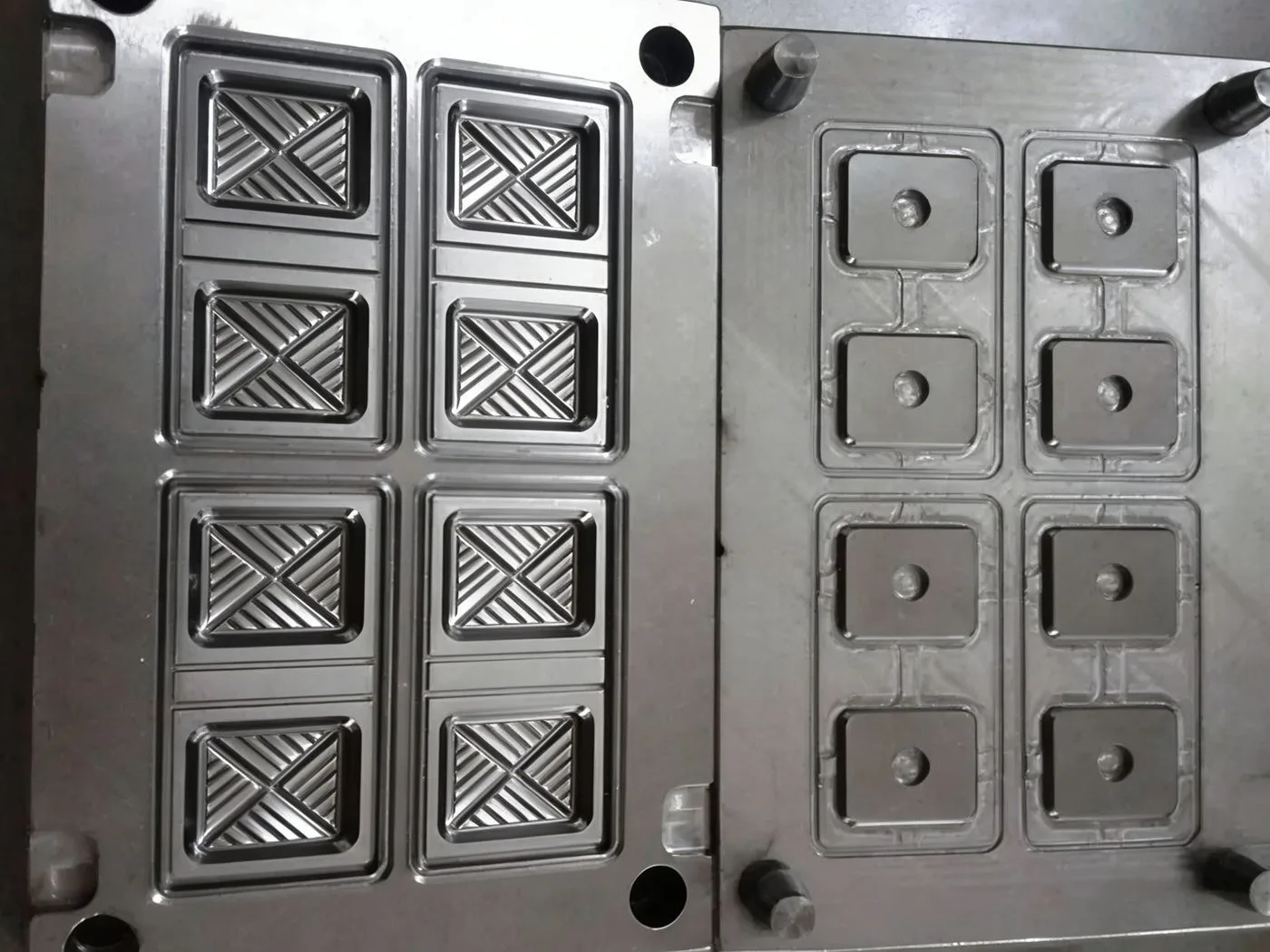
Types of RTV Silicone Rubber
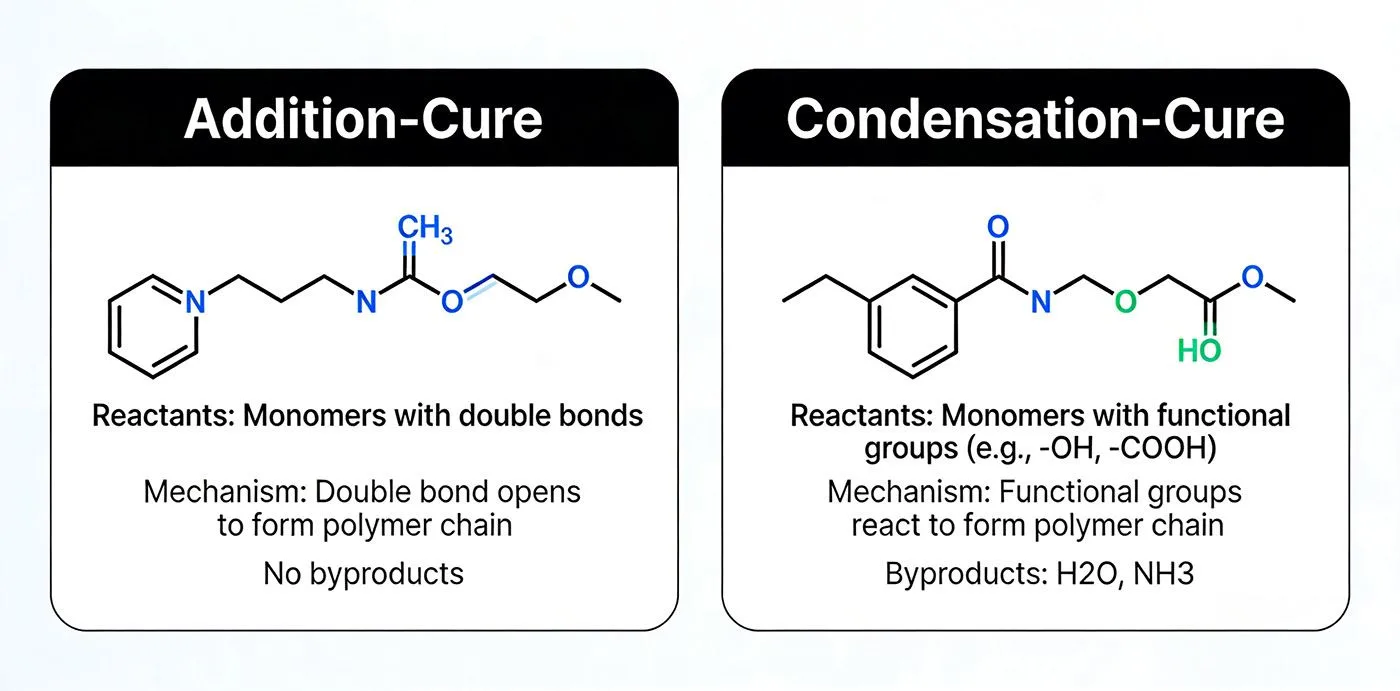
Room Temperature Vulcanizing (RTV)[^2] silicone systems fall into two categories:
| Type | Characteristics | Best For |
|---|---|---|
| Addition-Cure | Platinum-catalyzed, minimal shrinkage, odorless | High-detail prototypes, food-safe applications |
| Condensation-Cure[^3] | Tin-catalyzed, cost-effective, slight shrinkage | General-purpose molds, non-critical tolerances |
Materials, Ratios & Mixing Protocol
Commercial mold-making silicone is supplied as a two-part system:
- Part A: Base polymer (pre-pigmented silicone compound)
- Part B: Catalyst (moisture-sensitive curing agent)
Precision Mixing Guide (by weight)
| Ambient Temp | A:B Ratio | Adjustment Notes |
|---|---|---|
| 20–25°C (68–77°F) | 100 : 1.5 | Standard condition |
| 25°C | –0.1–0.3 B | Slow reaction in warm conditions |
? Critical Steps:
- Stir Part A thoroughly before measuring (prevents filler settling)
- Use digital scale (±0.1g accuracy)
- Mix slowly in circular motion for 3–5 mins to minimize air entrapment
- Work immediately – pot life begins upon mixing
Mold Fabrication Techniques
?️ Pouring Method (Relief/Flat Artwork)
- Build frame 4–6 cm larger than prototype on all sides
- Place frame on glass plate; center prototype with 2–3 cm clearance
- Pour degassed silicone slowly from one corner
- Pro tip: Embed fiberglass mesh between layers for tensile strength
? Brushing Method (Complex 3D Objects)
- Apply 2–3 thin layers with soft brush
- Allow tack-free cure (30–60 mins) between coats
- Reinforce deep undercuts with additional layers
⏳ Cure Timeline:
- Initial set: ~2 hours at 20°C
- Full demold readiness: 24 hours
7 Non-Negotiable Safety & Quality Precautions
- ? Seal Catalyst Immediately: Part B hydrolyzes on moisture exposure – store airtight with desiccant
- ⏱️ Mix Only What You Need: Reaction is irreversible; waste = cost
- ? Ratio Precision = Performance: Excess catalyst = brittle mold; insufficient = sticky surface
- ?️ Degass Before Pouring: Vacuum chamber (29 inHg, 2–3 mins) eliminates microbubbles
- ? Prototype Prep: Clean master with isopropyl alcohol; apply minimal mold release
- ?️ Monitor Ambient Conditions: Ideal: 22°C ±3°C, 30 casts: Consider urethane or epoxy tooling alternatives
Silicone rubber molding blends artistry and engineering precision. By mastering material science, environmental control, and technique, you unlock reliable replication for sculpture, jewelry, props, and functional prototypes.
[^1]: Explore the advantages of silicone rubber molds for rapid prototyping, including elasticity and dimensional accuracy. [^2]: Learn about RTV silicone's unique properties and its best applications in mold-making. [^3]: Find out how Condensation-Cure silicone can be a cost-effective solution for general-purpose molds.
FAQ
Why Choose Silicone Rubber Molds?
[Silicone rubber molds](https://ideal-pro.com/plastic-injection-mold/)[^1] are among the most accessible rapid tooling solutions in prototyping. Created by replicating RP (Rapid Prototyping) masters with liquid silicone, these molds deliver exceptional elasticity, dimensional accuracy, and replication fidelity. While service life is typically limited to 10–30 casts, key advantages include:
✅ No draft angles required ✅ Minimal impact on prototype dimensions ✅ Seamless monolithic casting (no complex mold separation) ✅ Easy demolding via strategic cutting along parting lines
Types of RTV Silicone Rubber
[Room Temperature Vulcanizing (RTV)](https://www.sciencedirect.com/topics/engineering/room-temperature-vulcanizing-silicone)[^2] silicone systems fall into two categories:
Materials, Ratios & Mixing Protocol
Commercial mold-making silicone is supplied as a two-part system: Part A: Base polymer (pre-pigmented silicone compound) Part B: Catalyst (moisture-sensitive curing agent)
?️ Pouring Method (Relief/Flat Artwork)
1. Build frame 4–6 cm larger than prototype on all sides 2. Place frame on glass plate; center prototype with 2–3 cm clearance 3. Pour degassed silicone slowly from one corner 4. Pro tip: Embed fiberglass mesh between layers for tensile strength
? Brushing Method (Complex 3D Objects)
Apply 2–3 thin layers with soft brush Allow tack-free cure (30–60 mins) between coats Reinforce deep undercuts with additional layers
⏳ Cure Timeline: Initial set: ~2 hours at 20°C Full demold readiness: 24 hours
About the Author

Alex Yu
Ideal Pro Manufacturing
Alex is the co-founder of Ideal Pro, but when he's not overseeing key projects or steering the technical team, you'll likely find him on a long bike ride, hunting for the best coffee in town, or planning his next travel adventure. With over 20 years of experience spanning international trade sales and project management, he's seen it all — tight deadlines, tricky engineering problems, and everything in between. He believes great work comes from a well-rested mind and a good cup of coffee, and he brings that same curiosity and attention to detail to every project he takes on. When he's not in the office, he's usually somewhere outdoors, exploring new places and collecting stories to share.
 English
 French
 Dutch
 German
 Japanese
 Korean