

Undercuts are features that extend into the mold cavity, creating design challenges. They are risky yet often necessary for functionality. Understanding their implications is crucial for effective mold design.
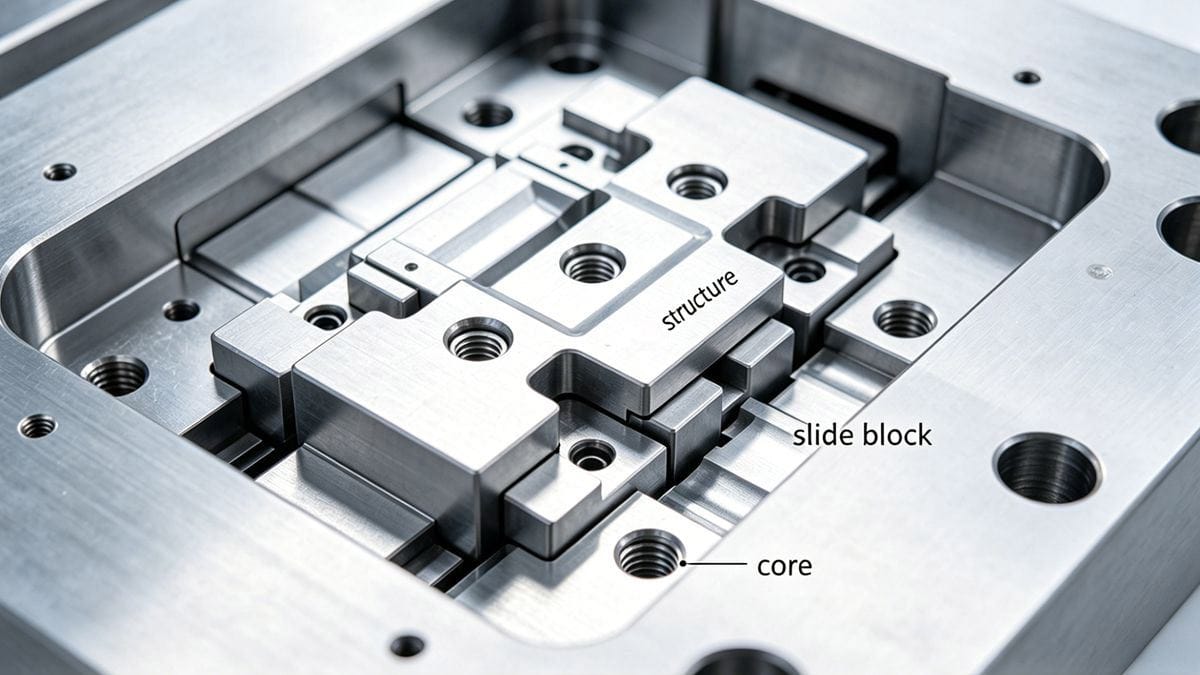
Undercuts can be a major hurdle in the injection molding1 process. They require specialized components and can lead to unexpected costs. So, how do we manage these little design monsters?
What are Injection Molding Undercuts? Why Are They Risky Yet Necessary?
Undercuts are modifications in a part’s design that create features which cannot be removed from the mold without complex mechanics. They can be frustrating. Yet, sometimes they are essential to achieve the desired functionality of a part.
Undercuts can lead to higher production costs due to the need for additional mold components, like sliders or lifters. These additions can complicate the manufacturing process and increase the risk of malfunction. But, in some cases, they are crucial for improving product performance or aesthetics.
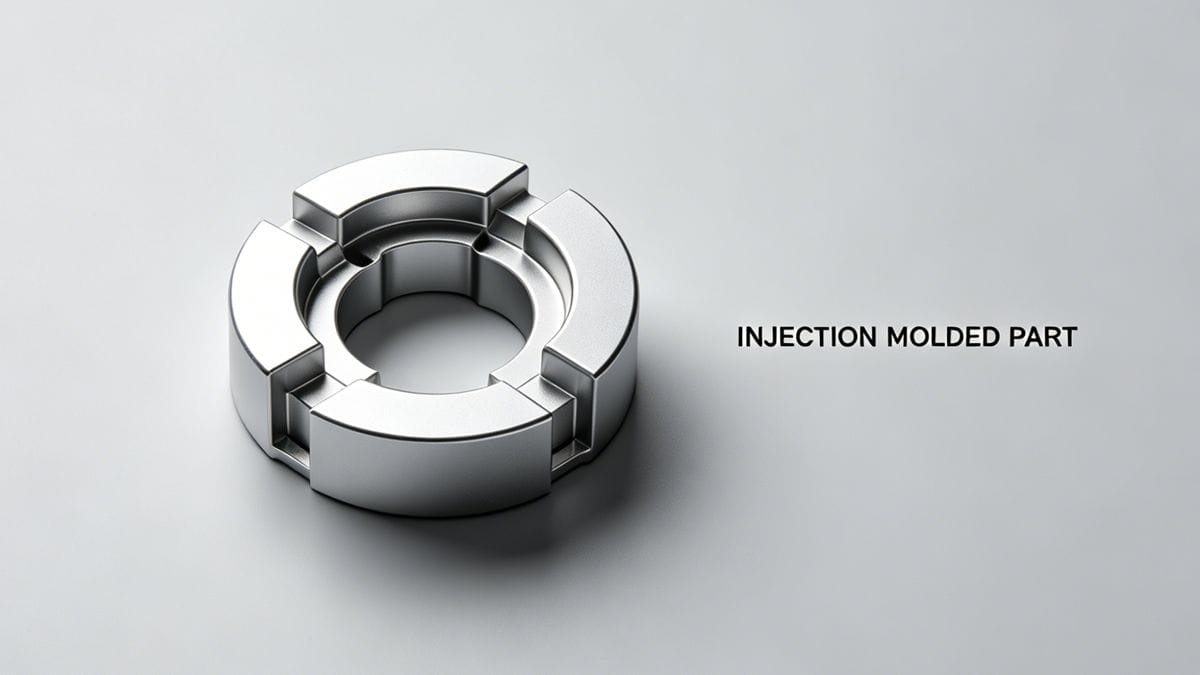
Designing around undercuts requires careful planning and creativity. I've seen many designs where undercuts were almost an afterthought, leading to more headaches during production. A well-thought-out design can often eliminate the need for undercuts or at least minimize their complexity.
Understanding the Impacts of Undercuts in Injection Molding
There are two sides to every undercut. On one hand, they can enhance product functionality. On the other, they can inflate costs and complicate the production process.
Here's a brief overview:
| Pros of Undercuts | Cons of Undercuts |
|---|---|
| Improve part functionality | Increased mold complexity |
| Enhance aesthetic appeal | Higher production costs |
| Allow for innovative designs | Potential for production failures |
By assessing both sides, designers can make informed decisions about when to use undercuts and how to approach them strategically.
Eliminating Undercuts via Design Optimization: Zero-Cost Solutions
To tackle the challenge of undercuts, design optimization can be a game changer. By rethinking the part geometry, we can often design parts that appear complex but can be produced easily.
Simple modifications can help. For instance, rounding edges or changing the shape of a part can eliminate the need for undercuts altogether.
Optimizing design can often yield zero-cost solutions. This means that with a little creativity, we can maintain functionality without the added costs of complex mold components.
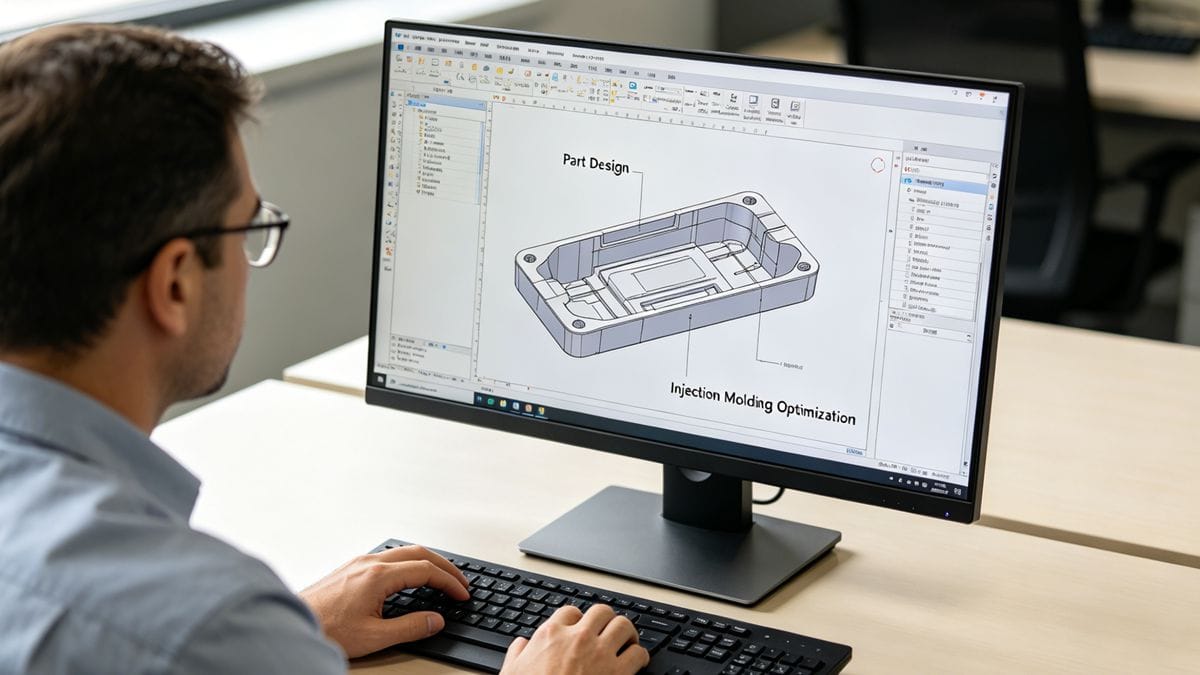
In my experience, I often ask myself, "How can I simplify this?" The answer is usually found in collaborative brainstorming with engineers and designers. Using tools like CAD software can aid in exploring alternative designs effectively.
I encourage my peers to think outside the box, focusing on how to achieve the same functionality without adding complexity. The goal should always be to create a design that is not only functional but also easy to produce.
Techniques for Design Optimization
Here are a few strategies that can help you eliminate undercuts:
- Redesigning the Part: Alter the shape or features to avoid undercuts.
- Using Tolerances and Draft Angles: Ensure that parts can be easily ejected.
- Material Selection: Sometimes, the right material can allow for a simpler design that avoids undercuts.
By implementing these strategies, you can often create a more efficient mold design.
Three Core Mold Structures for Handling Undercuts
When undercuts are unavoidable, understanding the mold structures that can accommodate them is essential. The three main structures are:
- Sliders: These are movable components that allow the mold to open and eject parts with undercuts.
- Lifters: Similar to sliders, lifters help in removing parts with undercuts by lifting them out of the mold.
- Core Pulls: These allow specific sections of the mold to be pulled out, enabling the removal of undercut features.
Each structure has its pros and cons, and understanding these can help you make better design decisions.
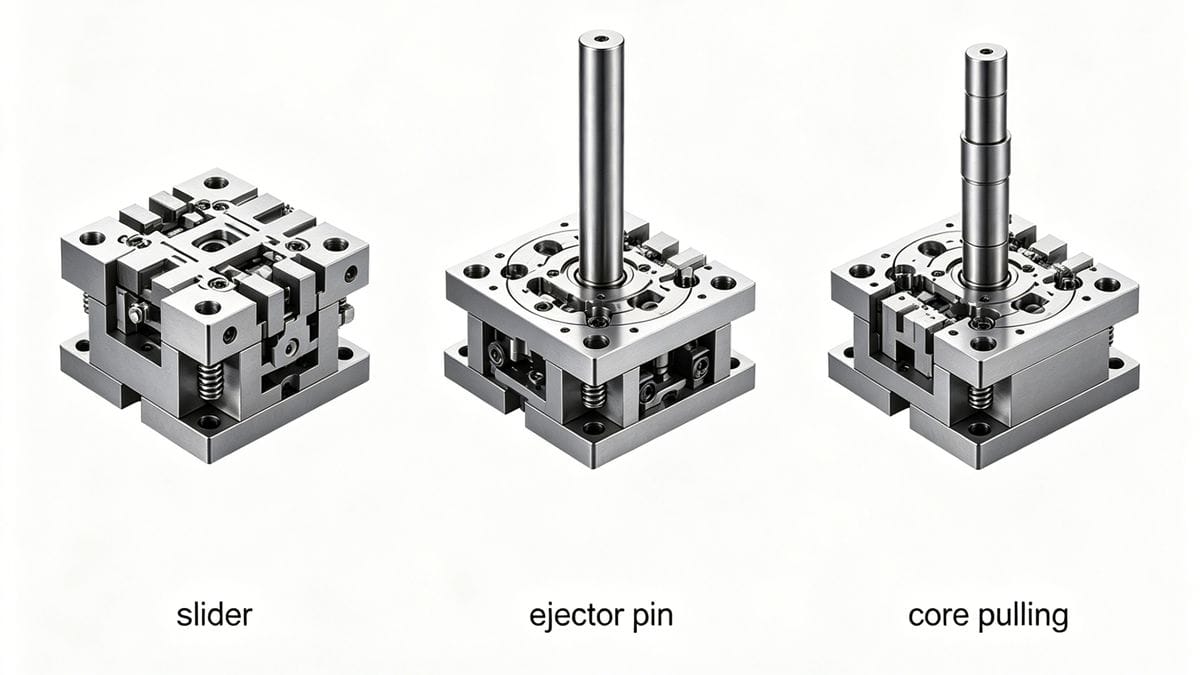
Using these structures can significantly enhance production efficiency. However, they can also add to costs. So, it is essential to weigh the benefits against the potential drawbacks.
Comparison of Mold Structures
| Mold Structure | Pros | Cons |
|---|---|---|
| Sliders | Flexibility in design | Increased complexity |
| Lifters | Effective for deep undercuts | Higher manufacturing cost |
| Core Pulls | Great for large features | Requires precise mechanics |
By analyzing these structures carefully, you can choose the best approach for your specific design.
Achieving Undercuts Using Material Properties & Special Processes
Sometimes, the right material properties or special manufacturing processes can help mitigate the need for complex undercut designs. For instance, using materials with appropriate elastic properties may allow parts to bend slightly for ejection.
Additionally, special processes like 3D printing can allow for more complex shapes and features that traditional molding cannot accommodate.
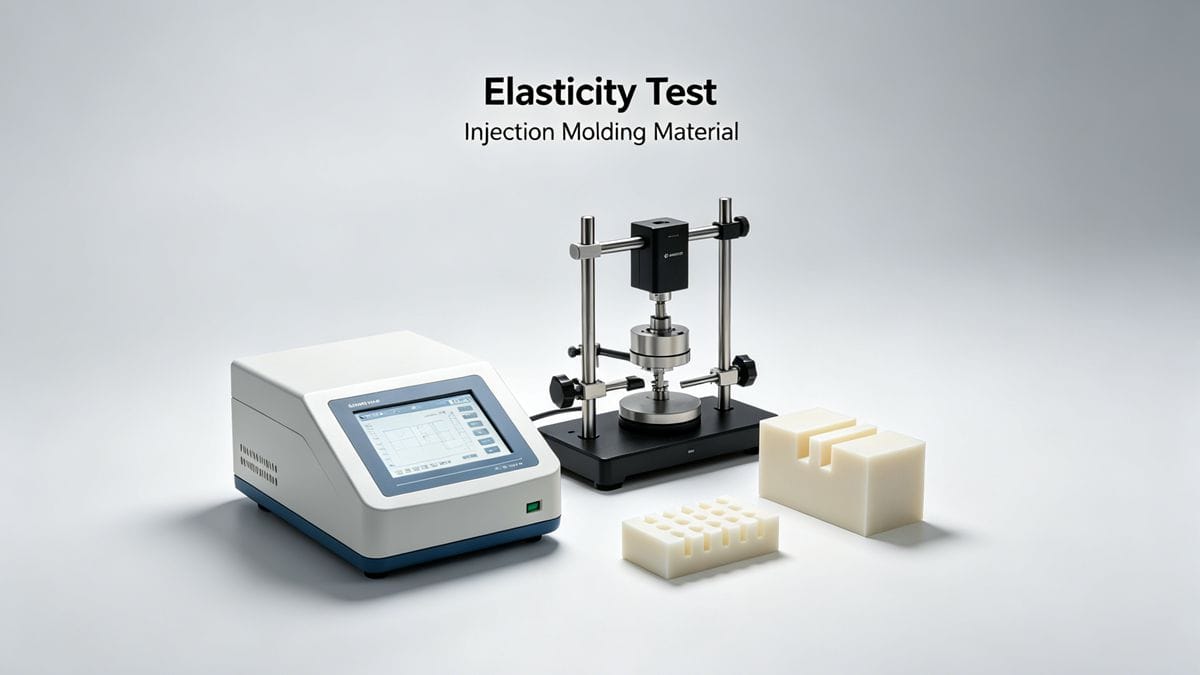
Using advanced materials or innovative processes can change how we think about undercuts. The manufacturing landscape is ever-evolving, and keeping up with advancements can lead to new possibilities.
Material Selection Considerations
When choosing materials, consider the following:
- Elasticity: Can the material handle bending during ejection?
- Strength: Will the part maintain its integrity?
- Cost: Is the material cost-effective for your design?
By carefully selecting materials based on these factors, you can often reduce the complexity of your mold designs.
DFM Golden Rules for Undercut Design: Angles, Stroke & Materials
Design for manufacturability (DFM) guidelines are essential for any successful injection molded component. These rules help guide decisions about angles, stroke lengths, and material choices.
- Draft Angles: Ensure that parts have sufficient draft angles for easy ejection.
- Stroke Considerations: Keep the stroke length manageable to avoid complications.
- Material Choices: Select materials that simplify the molding process.
Adhering to these DFM golden rules can simplify the design process and enhance production efficiency.
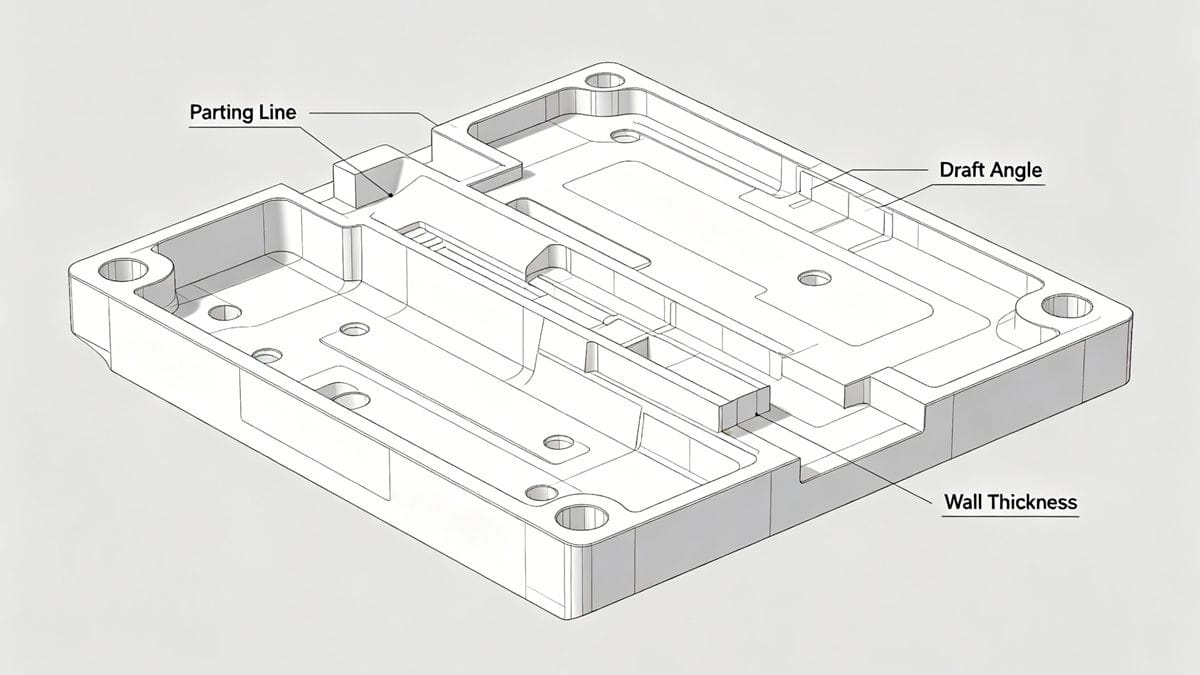
In my journey as a mold designer, I have observed that following these rules not only leads to better designs but also smoother production processes. The goal is to create molds that are easy to manufacture and maintain.
Key Takeaways from DFM Guidelines
Here's a quick summary:
| Guideline | Importance |
|---|---|
| Draft Angles | Essential for part release |
| Stroke Length | Reduces mechanical complexity |
| Material Selection | Impacts overall production cost |
By following these guidelines, you can improve the success rate of your designs and reduce potential complications.
Cost Trade-offs: When is an Undercut Worth It?
Finally, understanding when an undercut is worth the additional cost is crucial. In some cases, the functionality gained from an undercut can justify the extra production expenses.
It's important to conduct a cost-benefit analysis to determine if the additional features are truly necessary.
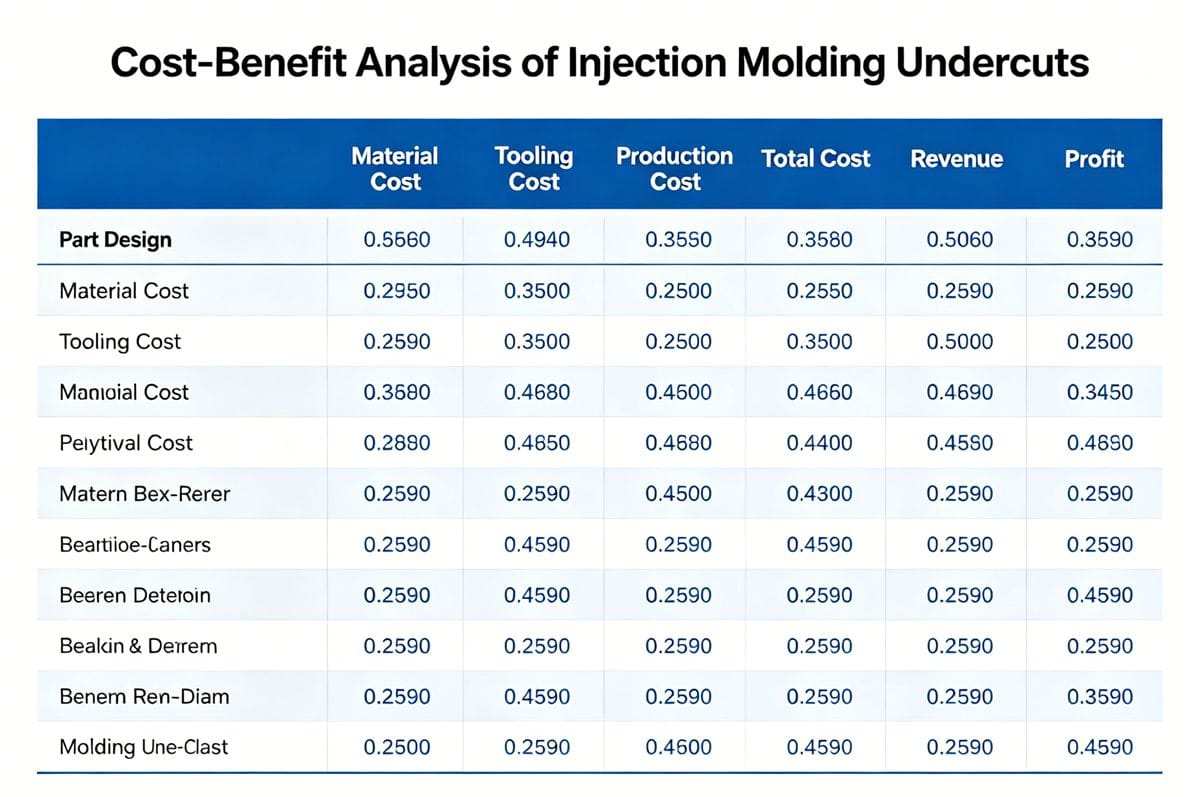
In my experience, asking the right questions can lead to better decisions. Consider the long-term benefits of adding undercuts. Will they result in a higher quality product or a more efficient design?
Evaluating Costs vs. Benefits
Here’s a quick checklist for evaluating when to use undercuts:
- Does the undercut improve product functionality?
- Will it enhance the aesthetic value?
- Can the increased cost be justified by the end product's value?
By carefully analyzing these factors, you can make informed decisions that balance cost against functionality.
Conclusion
Striking a balance between functionality and cost is key in handling undercuts in injection molding. Thoughtful design and effective strategies can make all the difference.
"Injection moulding - Wikipedia", https://en.wikipedia.org/wiki/Injection_moulding. Injection molding is a manufacturing process for producing parts by injecting molten material into a mold, commonly used for plastics. Evidence role: definition; source type: encyclopedia. Supports: Injection molding is a manufacturing process for producing parts by injecting molten material into a mold, commonly used for plastics.. ↩


 English
 French
 Dutch
Dutch German
 Japanese
 Korean