

The medical industry demands precision and reliability. But how does medical injection molding stack up against standard practices?
Medical injection molding must adhere to stricter standards, particularly ISO 13485, to ensure safety and effectiveness in life-saving devices. This is crucial for patient wellbeing.
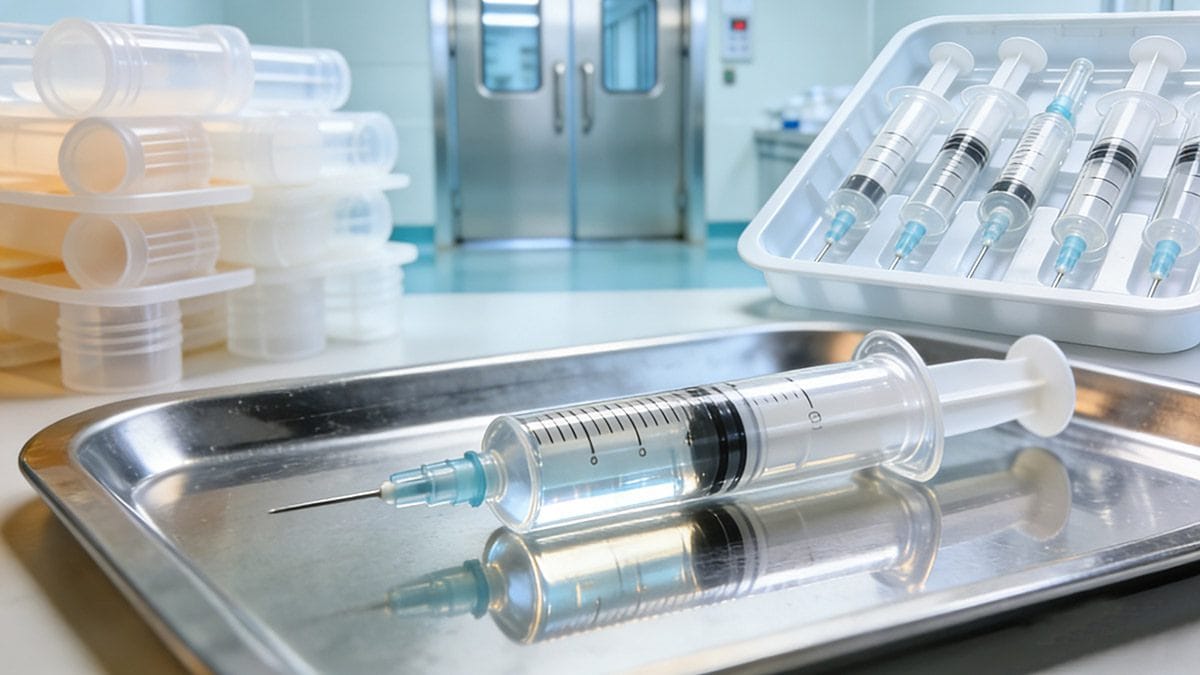
The rigorous requirements in medical injection molding set it apart from traditional manufacturing methods. This article will explore why these differences matter, the impact on production, and how they shape the future of medical devices.
LOOP START
“Zero Tolerance” Manufacturing: Why Must Medical Injection Molding Go Beyond Common Industrial Standards?
The stakes in medical injection molding are incredibly high. A flaw in an injection-molded product can have life-or-death consequences. Patients rely on these devices, so standards must be uncompromising.
Medical injection molding requires "zero tolerance" because even minor defects can lead to severe clinical outcomes. Compliance with stringent standards protects patients and upholds industry integrity.
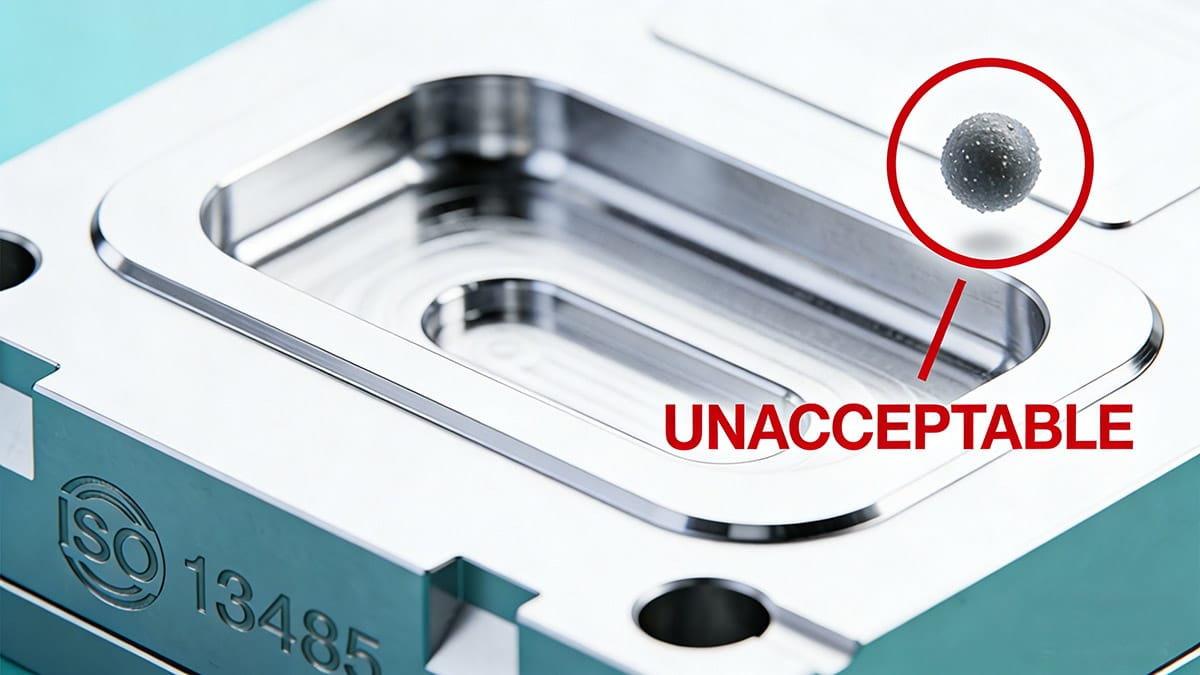
Diving deeper, the essential challenge lies in the transfer of risk. Unlike consumer products where issues may result in returns or dissatisfaction, medical devices can cause significant harm or even fatalities. This reality necessitates an unwavering commitment to quality.
The ISO 13485 standard enforces comprehensive documentation and responsibility tracing throughout the manufacturing process. This ensures that when problems arise, they can be traced back to specific people, machines, and processes. This level of accountability is crucial in a field where lives are at stake.
Additionally, the validation process, including Installation Qualification (IQ), Operational Qualification (OQ), and Performance Qualification (PQ), is not mere bureaucracy. It confronts the reality that human error is possible. Creating a system where errors are unlikely to escape undetected is vital for safeguarding patient safety.
In choosing materials, the decision goes beyond mere performance. Opting for PEEK over standard polycarbonate is an ethical choice as it can reduce the risk of inflammatory responses in patients. This choice represents the intersection of economic logic and ethical responsibility in the medical field.
LOOP END
Not All Plastics Are Safe for the Human Body: Why Is Compliance with Medical Injection Plastics Not Compromised?
Choosing the right materials for medical applications is critical. Not all plastics can safely interact with the human body.
Compliance with medical-grade plastics is non-negotiable because inappropriate materials can lead to detrimental health consequences. Ensuring safety is paramount.
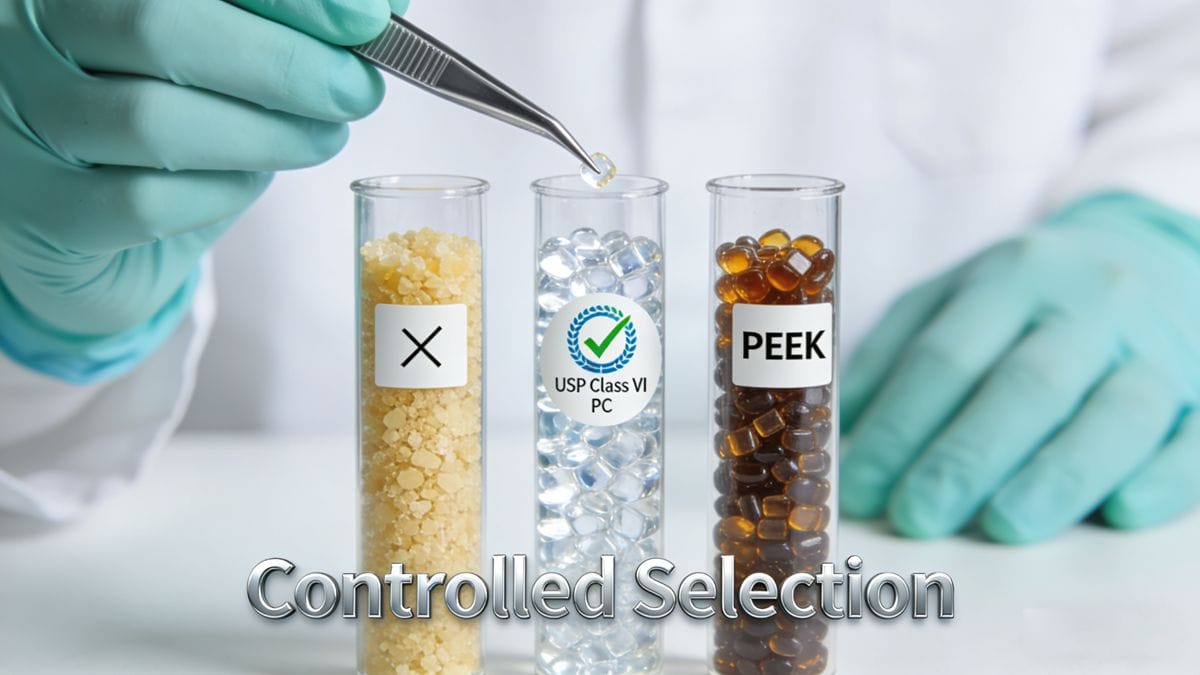
The complexity of selecting materials cannot be overstated. Medical-grade plastics must undergo rigorous testing and validation to ensure they meet safety standards. For instance, materials like polycarbonate may be used in everyday applications. Still, their potential for toxicity in medical settings requires thorough examination and eventual rejection if they cannot guarantee safety.
Moreover, medical products often come into direct contact with bodily fluids and tissues. This interaction demands that materials exhibit not only mechanical strength but also biocompatibility. Any failure to meet these criteria could result in catastrophic outcomes, making compliance essential.
Regulatory bodies enforce strict guidelines, pushing manufacturers to invest in high-quality materials. This diligence protects patients and fosters trust in the industry. By ensuring that only the safest materials are used, we uphold our responsibility to those who rely on our products.
LOOP END
Why Is the Quality Management System of Medical Injection Molding, ISO 13485 ≠ ISO 9001, More "Stricter"?
Understanding the differences between quality management systems is crucial for any manufacturer in the medical field.
ISO 13485 is significantly stricter than ISO 9001 as it focuses on the specialized requirements for the medical industry, ensuring patient safety and compliance.
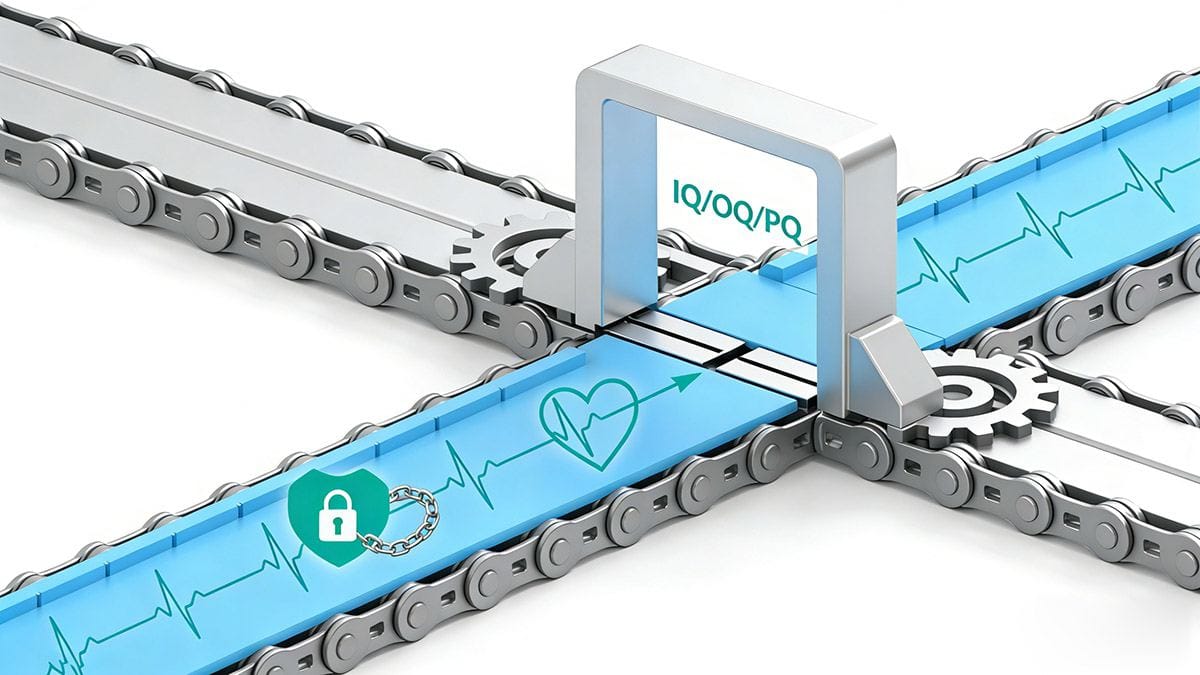
ISO 9001 provides a foundation for quality management across industries. However, ISO 13485 delves deep into the nuances of medical manufacturing. One key difference is the emphasis on risk management and accountability.
ISO 13485 mandates complete traceability throughout the production process. This means that manufacturers must maintain detailed records about every aspect of production and quality control. Such transparency facilitates immediate identification of issues, allowing for swift corrective actions.
Additionally, ISO 13485 imposes expectations around regulatory compliance, requiring manufacturers to remain updated with constantly evolving standards. This necessity fosters a culture of continuous improvement, compelling companies to innovate while ensuring adherence to safety protocols.
Ultimately, the stricter nature of ISO 13485 reflects the critical importance of patient safety. In the medical field, the consequences of non-compliance are profoundly serious, making adherence to these stringent standards imperative.
LOOP END
Million Cost Start: How to Re-Shape the Supply Chain Logic of High-Barrier Medical Injection Molding?
Navigating the complexities of the supply chain in medical injection molding can be daunting.
Restructuring the supply chain is essential to minimize costs while ensuring compliance with stringent medical standards in high-barrier medical injection molding.

The medical injection molding landscape is evolving. Manufacturers face pressure to control costs while meeting rigorous standards. This paradox places immense strain on the supply chain, making it imperative to rethink established practices.
One approach is to leverage technology to streamline operations. By adopting advanced data analytics and supply chain management systems, manufacturers can achieve better visibility and efficiency. This allows for informed decisions regarding material sourcing, manufacturing processes, and distribution, ultimately lowering costs.
Moreover, collaborative partnerships with suppliers can enhance flexibility. By fostering open communication and shared goals, medical manufacturers can better respond to challenges and adapt quickly to changing regulations. Such collaboration may also lead to innovative solutions that improve efficiency and compliance.
In adapting to these changes, manufacturers must balance cost with quality and compliance. The ultimate goal is to create a sustainable supply chain that supports patient safety and meets regulatory requirements.
LOOP END
From Syringe to Implant: How Can Medical Injection Molding Use "Scientific Molding" to Protect the Precision of Life?
Precision is essential in the medical field.
"Scientific molding" enhances precision in medical injection molding, ensuring that each product meets exact specifications required for medical devices.

The application of scientific molding techniques allows manufacturers to control every aspect of the production process meticulously. This method employs data-driven decisions based on scientific principles, ensuring that each stage, from material selection to injection parameters, is optimized for precision.
By utilizing sophisticated software and advanced monitoring systems, manufacturers can achieve high consistency and quality. This level of control is crucial in the medical field, where even minor deviations can lead to severe consequences.
Furthermore, scientific molding supports rapid prototyping and testing. This means that new products can be developed and validated swiftly, reducing time-to-market while maintaining compliance with safety standards.
Employing scientific molding techniques empowers manufacturers to uphold the highest quality standards. It reflects our commitment to producing medical devices that are not only effective but also safe for patients.
LOOP END
When the Injection Molding Machine Is Dressed in a Sterile Suit: How Cleanrooms and AI Quality Inspection Create a New Paradigm in Medical Manufacturing
The intersection of cleanliness and technology is reshaping medical manufacturing.
Integrating cleanroom environments with AI quality inspection systems revolutionizes the injection molding process, ensuring the highest level of sterility and quality in medical devices.
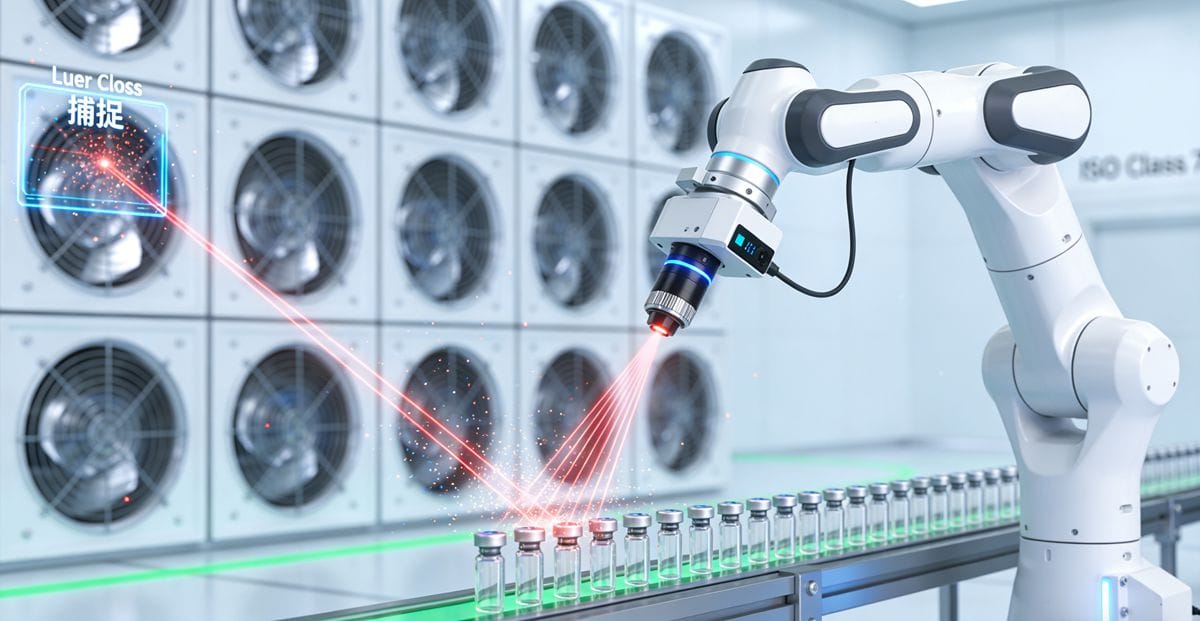
Maintaining a sterile environment during the manufacturing of medical devices is paramount. Cleanrooms minimize the risk of contamination, which is critical when producing items intended for direct human use.
By coupling cleanroom protocols with advanced technologies such as AI-driven quality inspections, manufacturers can achieve unprecedented levels of precision and safety. AI can analyze production metrics in real-time, identifying anomalies and potential defects faster than human inspectors.
This integration not only improves efficiency but also enhances compliance with stringent medical standards. With AI's ability to learn and adapt, manufacturers can continuously refine their processes, leading to better products and reduced costs.
As we embrace these technological advancements, the future of medical injection molding looks promising. By prioritizing safety, quality, and efficiency, we can ensure that the products we create are worthy of the trust placed in us by patients and healthcare providers alike.
LOOP END
Conclusion
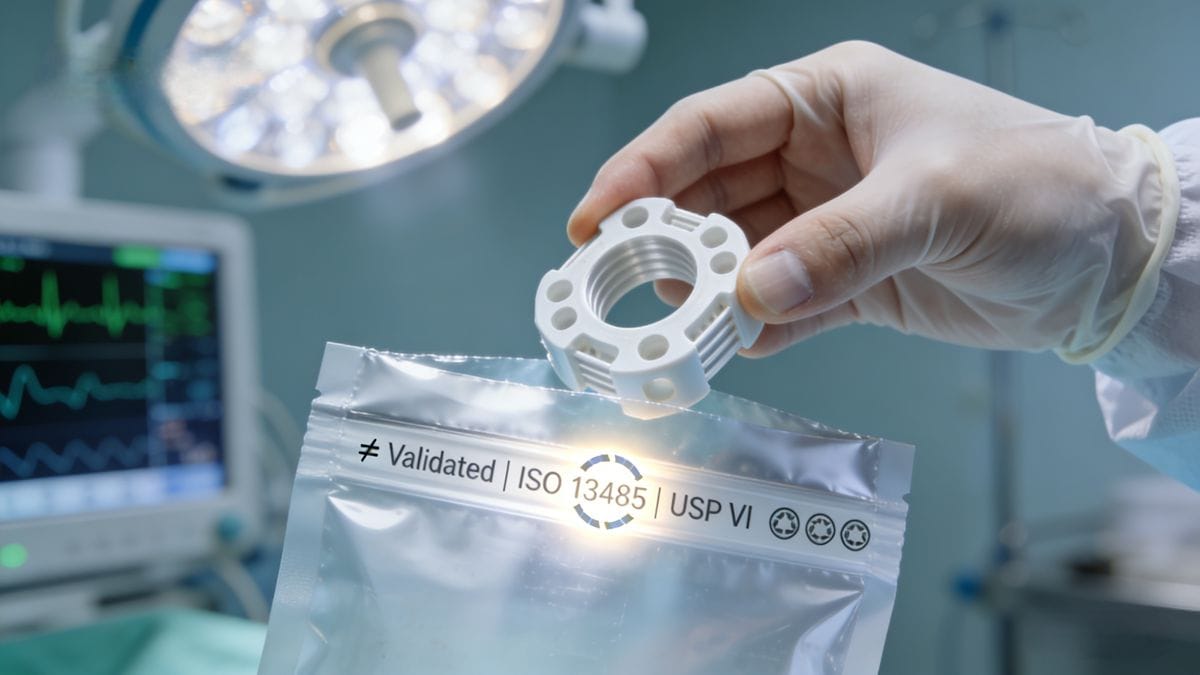
The intersection of medical injection molding and stringent standards shapes the industry. This commitment ensures patient safety and fosters trust, leading to better healthcare outcomes.

 English
 French
 Dutch
Dutch German
 Japanese
 Korean