

An Introduction to Injection molding Gears: Design, Manufacturing, and Testing
Injection molding gears represent a fundamentally different approach to power transmission1 compared to their traditionally machined counterparts. While both utilize the principle of involute conjugation to transmit motion, the similarities largely end there. Understanding these core differences is the first step to harnessing the full potential of plastic gearing.
Machined gears are cut to specific dimensions on specialized gear hobbing machines, with the manufacturer's task being to meet tolerances for each individual part. In contrast, injection molding gears are formed within a gear cavity, or mold. The manufacturer's primary challenge shifts from machining every gear to creating a single, near-perfect mold cavity that can reliably produce millions of gears within tolerance. This seemingly small distinction has profound implications for the entire design and manufacturing process.
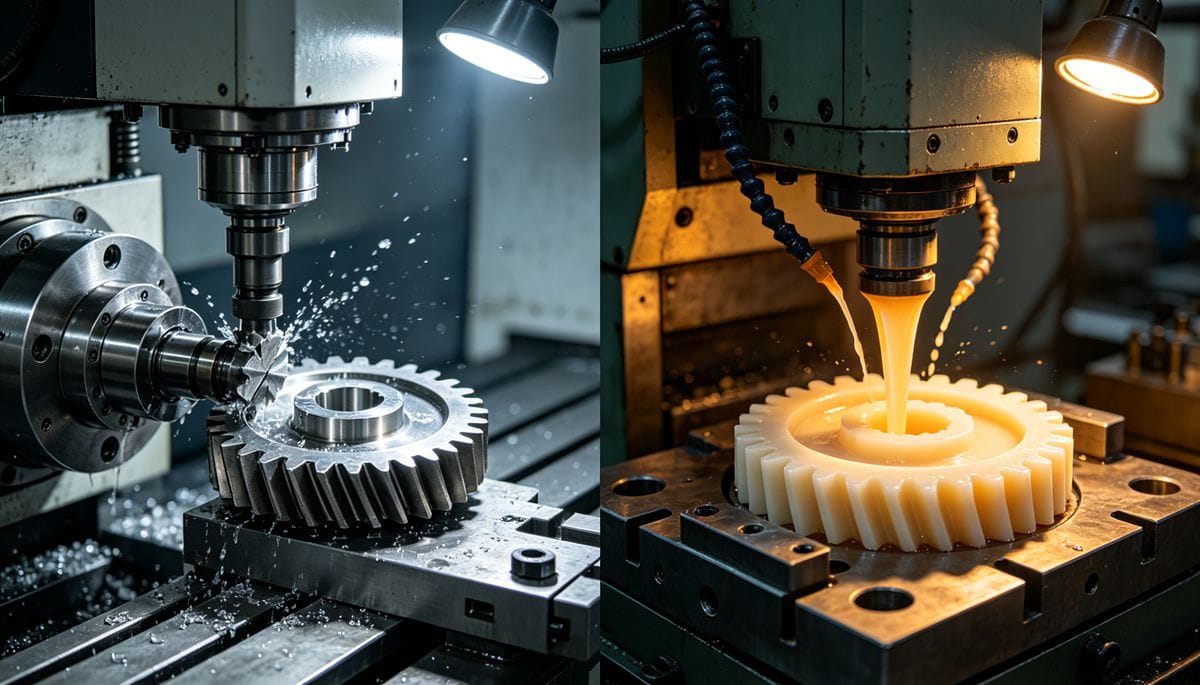
The Philosophy of Injection molding Gear Design
The reality that an injection molding gear must be formed inside a cavity dictates its design philosophy. Unlike metal gears, plastic gears are subject to variables like non-uniform shrinkage, and their mechanical properties (strength, hardness) can change with temperature and humidity. This necessitates a custom design approach2 rather than relying on standard off-the-shelf parameters.
This constraint, however, unlocks significant advantages. Injection molding gears3 can be precisely optimized for a specific application, often designed to function perfectly only with their mating gear. With mold cavities machined by high-precision Wire EDMs, the accuracy is limited only by the CAD model. This means traditional parameters like Diametral Pitch (DP) or Module are no longer rigid constraints. The involute base circle becomes the critical variable, and pressure angles can be adjusted to perfectly balance tooth strength and height.
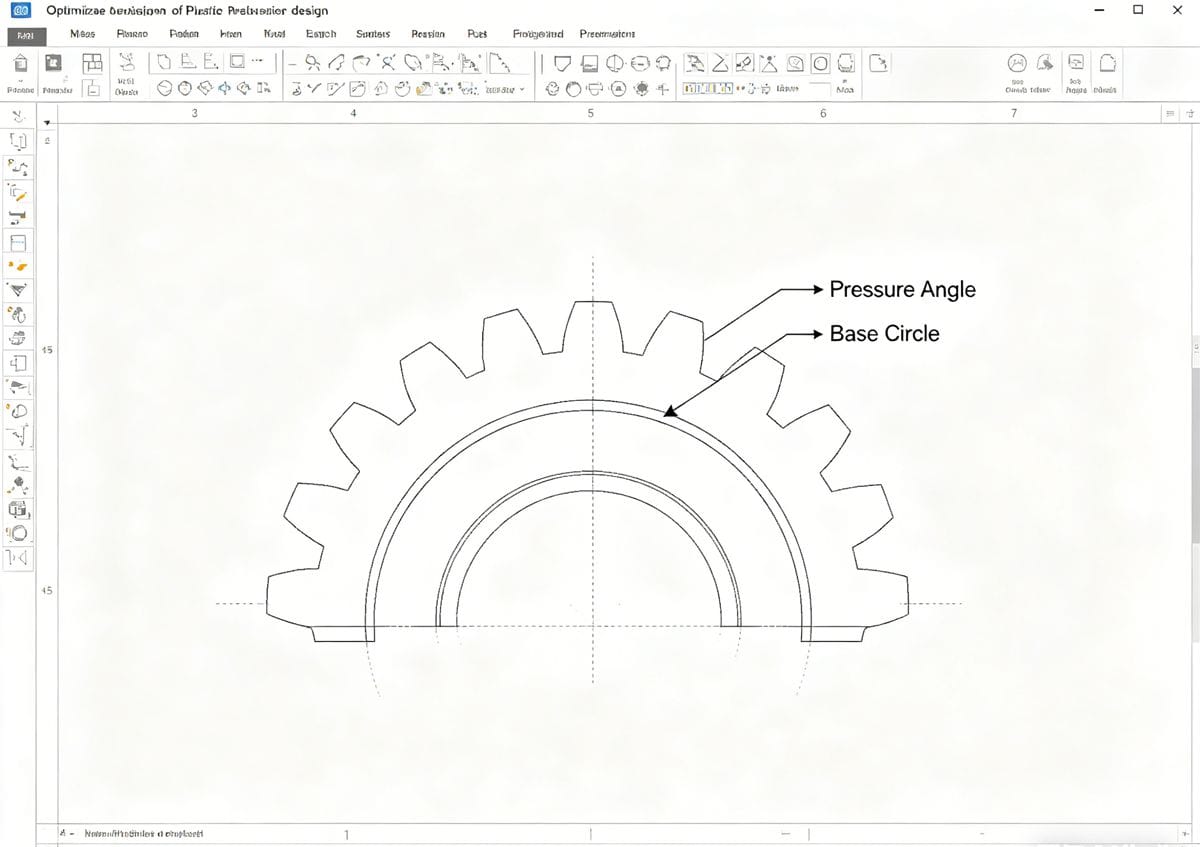
Crafting the Gear Mold: The Heart of the Process
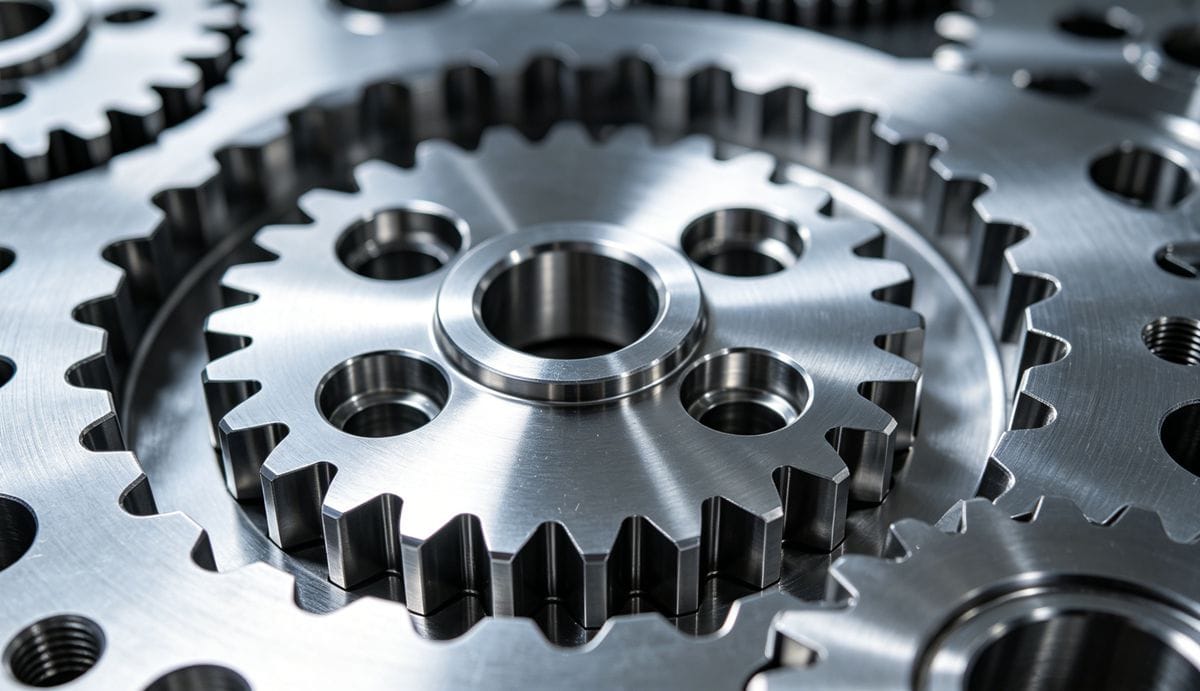
Once the gear's geometry and tolerances are defined, the focus shifts to creating the mold itself. This is the most critical piece of equipment. A gear mold must be exceptionally precise, thermally stable, and robust enough to withstand high injection pressures. The cavity itself must be specifically designed to compensate for the shrinkage of the chosen plastic material.
Predicting this shrinkage is complex because it is not isotropic—the gear teeth, surrounded by steel, cool and shrink differently than the larger gear body. A proven method to manage this is a two-step approach:
- Initial Estimate & Mold Creation: An initial shrinkage factor is estimated, and the first mold is manufactured.
- Measurement & Refinement: A sample batch of gears is molding and their involute profiles are meticulously measured. The actual shrinkage rates are calculated, and a new, corrected mold cavity is created.
This process ensures the final gears meet the required geometric accuracy. While materials like glass-filled resins offer very low shrinkage, they can introduce weld lines that create weak points and increase wear, making them suitable only for specific applications where weight is a critical concern.
The Injection Molding Process: Precision and Control
The injection molding process for gears demands a high degree of precision and repeatability. Several factors are crucial for success:
- Material Consistency: Using new, high-quality resin is recommended for high-precision gears. The material must be properly dried to prevent defects.
- Process Control: Melt temperature and injection pressure must be precisely controlled and repeatable for every cycle.
- Environmental Stability: The manufacturing environment plays a key role. Producing precision gears is extremely difficult in a facility with uncontrolled temperature and high humidity.
- Venting: As molten plastic fills the cavity, it must displace the air inside. Properly designed vents are essential. If vents are too small, trapped air can cause burns; if too large, plastic can leak out, creating flash on the gear.
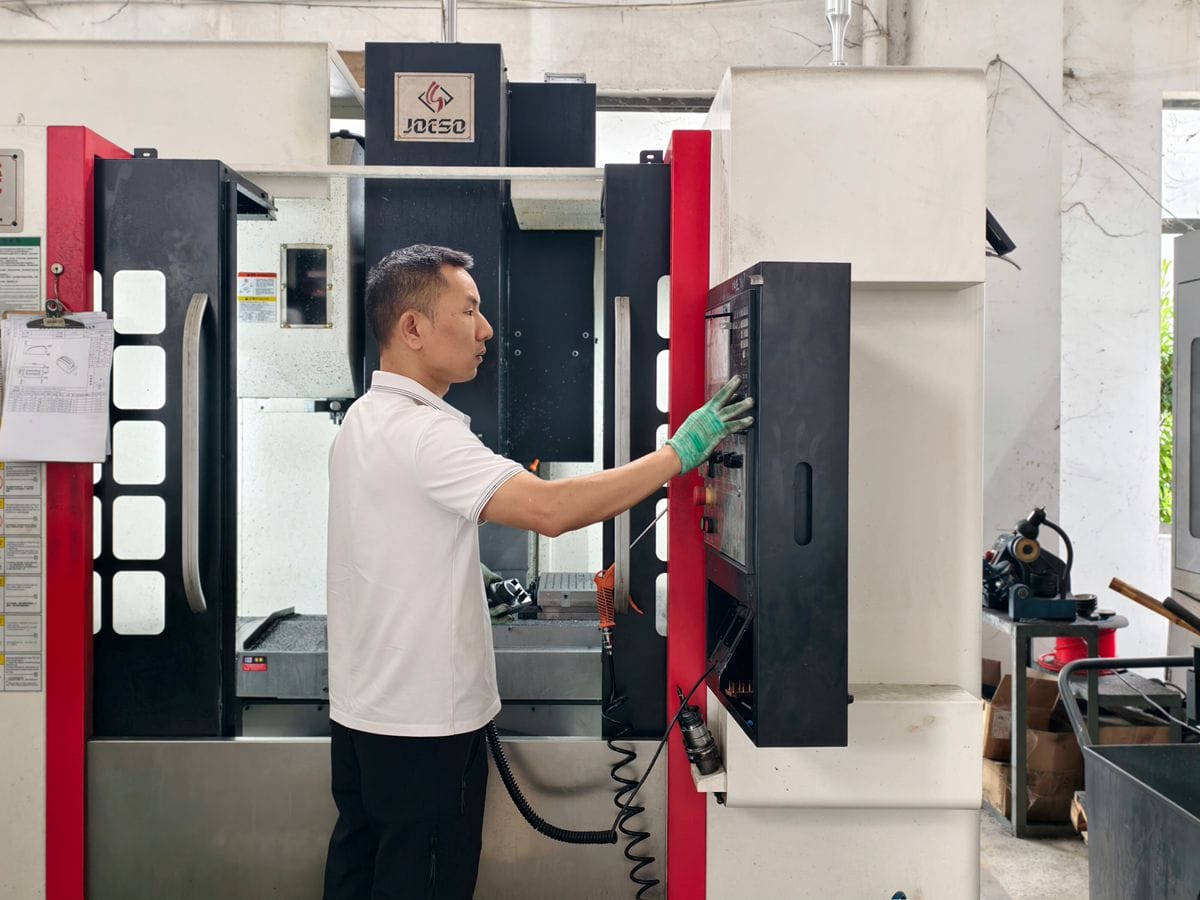
Quality Control and Testing: Ensuring Accuracy
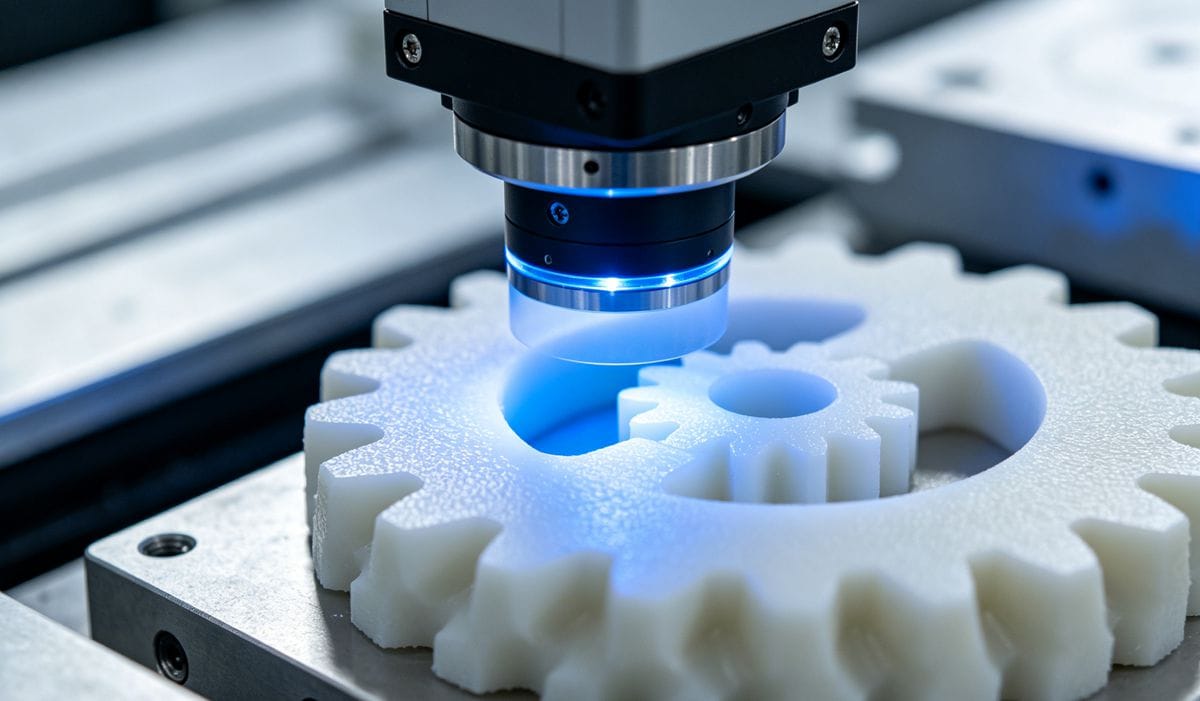
Gear inspection technology has evolved to measure the errors common in machining. However, injection molding gears can exhibit different types of errors, including significant variations on a single tooth. Because the gear shrinks, parameters like pressure angle and module become variables, not fixed values.
The only way to confirm a gear's dimensional accuracy is to scan the involute profile to determine its actual physical geometry. Relying solely on a rolling test can be misleading. For instance, a gear could have an incorrect base circle but still pass a rolling test if its tooth thickness is reduced, masking the underlying geometric error. Such a gear would fail immediately when meshed with a standard metal gear.
Therefore, a comprehensive quality control strategy4 is essential.
Recommended Technical Parameters and Testing
To ensure quality and consistency, a dual-testing approach is recommended for injection molding gears.
| Testing Method | Purpose | Key Benefit |
|---|---|---|
| Involute Profile Scan | To measure the actual geometric dimensions of the tooth, including the base circle, pressure angle, and profile deviations. | Provides a complete and accurate picture of the gear's physical geometry, ensuring it is within the specified tolerance zone. |
| Rolling Test (Composite Test) | To check the Total Composite Error (TCE) and Single Tooth Composite Error (TTE) by meshing the gear with a master gear. | An excellent method for ensuring day-to-day production consistency and verifying the functional center distance. |
The future of injection molding gears is promising. With continuous improvements in materials, molding machinery, and high-precision measurement equipment, we can expect to see plastic gears replacing metal gears in an ever-widening range of applications, especially where weight reduction, noise dampening, and cost-effectiveness are paramount.
Learn about the principles of power transmission in injection molding gears and their applications. ↩
Discover how custom designs enhance the performance and efficiency of injection molded gears. ↩
Explore the unique benefits of injection molding gears, including weight reduction and design flexibility. ↩
Discover comprehensive quality control strategies to ensure the accuracy of injection molded gears. ↩


 English
 French
 Dutch
Dutch German
 Japanese
 Korean