 日本語



はじめに
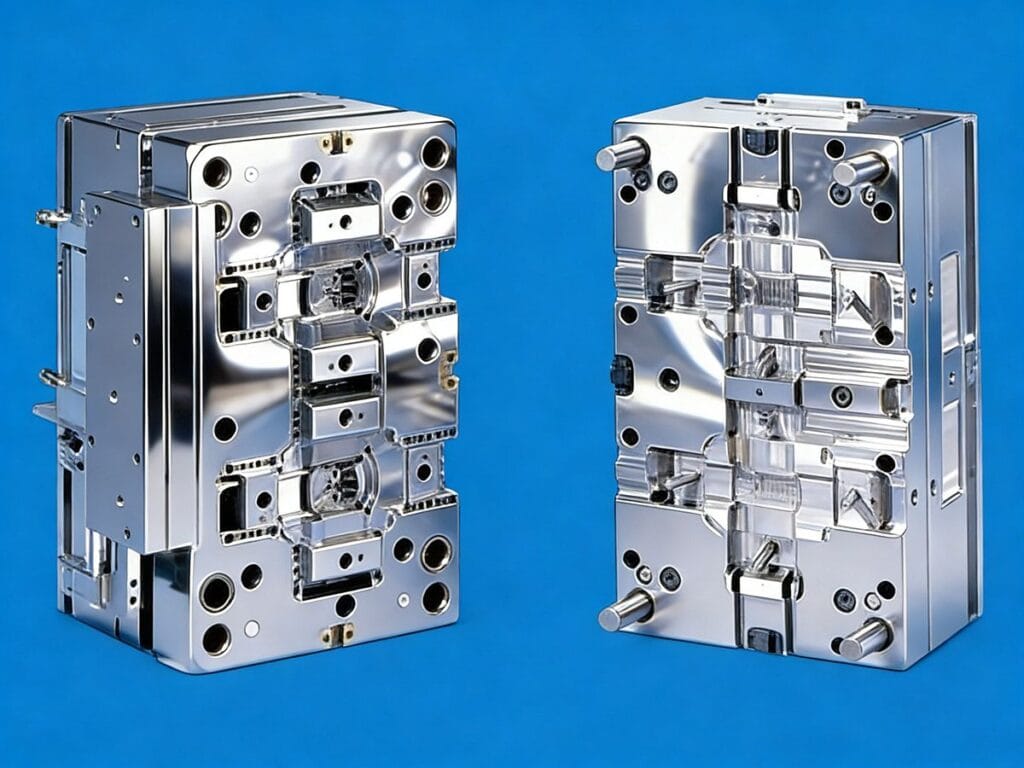
Material selection is a critical step in the two-color mold manufacturing process. To ensure optimal performance and longevity, materials must satisfy three core principles: wear resistance, strength and toughness, そして economic feasibility. This guide explores the six key performance requirements for two-color mold materials, providing insights for engineers and manufacturers aiming to enhance mold durability and efficiency.
1. Wear Resistance
Why it matters:
During plastic deformation, the mold cavity surface experiences intense friction due to the flow and sliding of the raw material. This leads to wear-induced failure.
Key factors:
- 硬度: Higher hardness correlates with reduced wear and improved resistance.
- Carbide characteristics: The type, quantity, morphology, size, and distribution of carbides in the material significantly influence wear resistance.
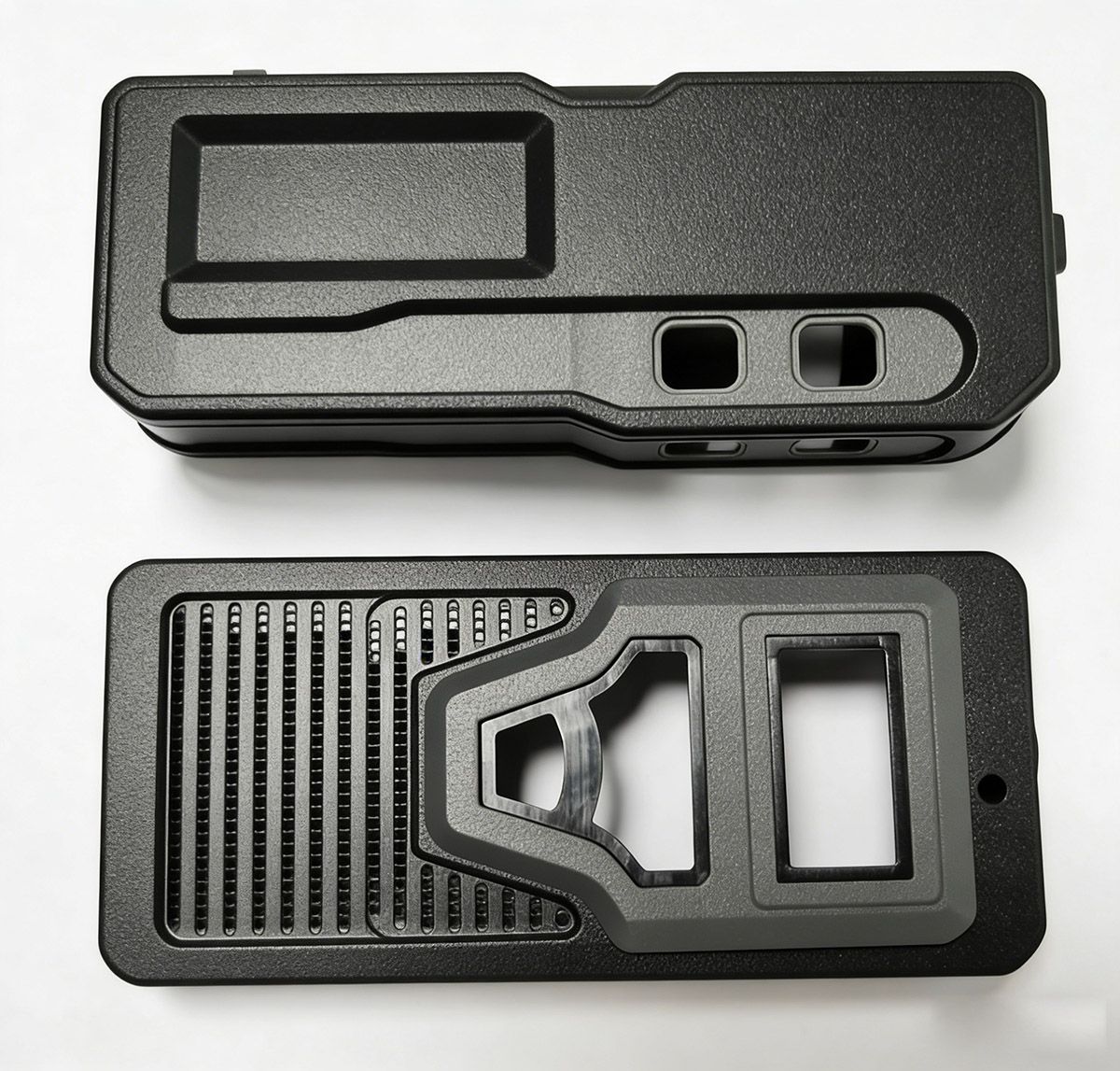
Figure 1: Hardness and carbide distribution are critical for wear resistance.
2. Strength and Toughness
Why it matters:
Two-color molds often operate under harsh conditions, including high impact loads that can cause brittle fracture.
Key factors:
- Carbon content, grain size, そして microstructure determine toughness.
- Balanced strength and toughness[^1] prevent sudden failures during operation.
3. Fatigue Fracture Resistance
Why it matters:
Cyclic stress during operation can lead to fatigue fractures, including:
- Low-energy multiple impact fatigue
- Tensile, contact, and bending fatigue
Key factors:
- 素材 strength, toughness, hardness, そして inclusion content dictate fatigue performance.
4. High-Temperature Performance
Why it matters:
Elevated working temperatures reduce hardness and strength, causing premature wear or plastic deformation.
Solution:
Materials must exhibit high tempering stability to maintain hardness and strength at operating temperatures.
5. Thermal Fatigue Resistance
Why it matters:
Repeated heating and cooling cycles induce tensile/compressive stresses, leading to surface cracking, spalling, and dimensional inaccuracies.
Solution:
Materials must resist thermal fatigue, a primary failure mode for hot-work molds.
6. Corrosion Resistance
Why it matters:
Plastics containing chlorine or fluorine release corrosive gases (e.g., HCl, HF) when heated, eroding the mold cavity and accelerating wear.
Solution:
Select materials with superior corrosion resistance for such applications.
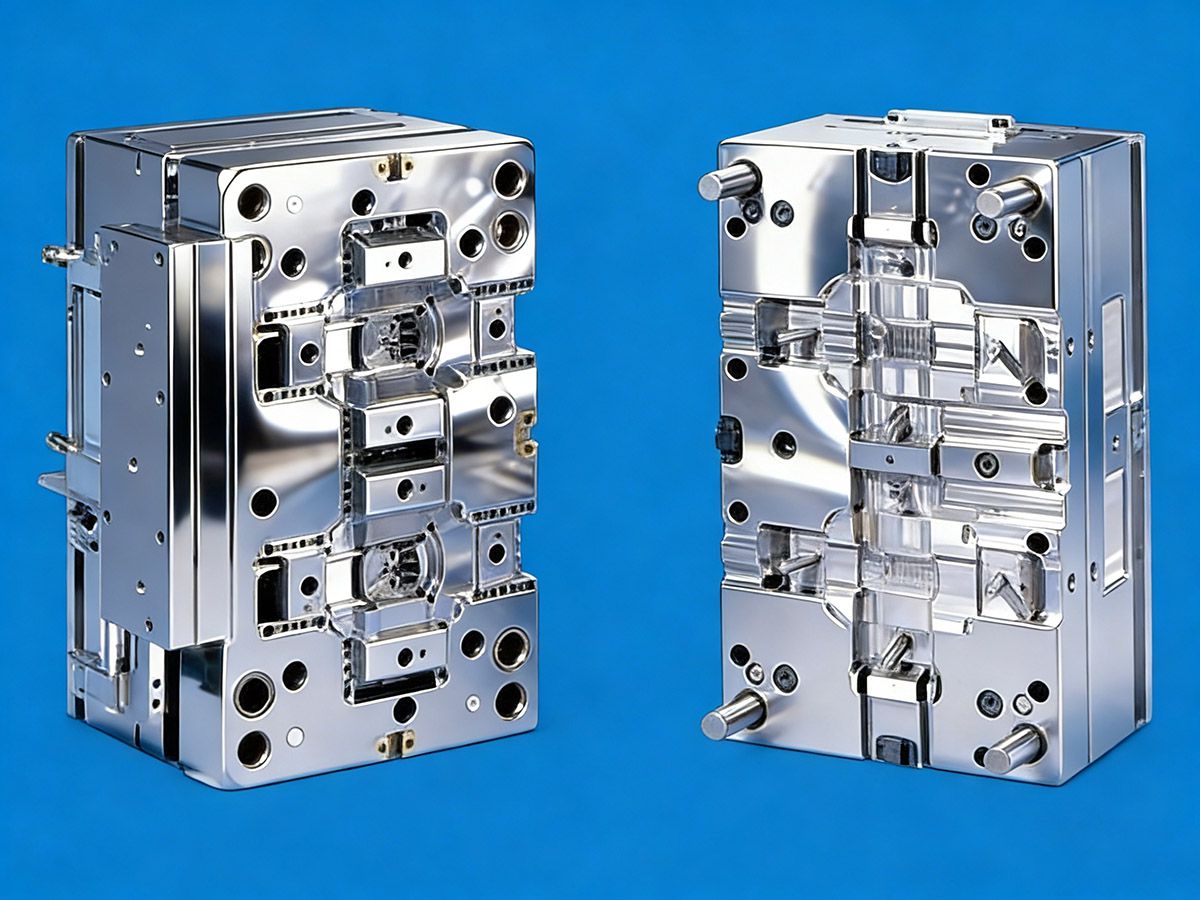
Figure 6: Corrosion-resistant materials mitigate chemical degradation.
結論
Selecting the right material for two-color molds requires balancing wear resistance, mechanical robustness, thermal stability, そして corrosion resistance[^2]. By prioritizing these six criteria, manufacturers can extend mold life, reduce downtime, and improve product quality. These principles also apply broadly to injection mold material selection.
[^1]: Exploring the balance of strength and toughness can help prevent failures in harsh operational conditions. [^2]: Explore the importance of corrosion resistance to protect molds from chemical degradation and extend their lifespan.
著者について

アレックス・ユー
アイデアル・プロ・マニュファクチャリング
アレックスはIdeal Proの共同創業者ですが、重要なプロジェクトの監督や技術チームの指揮をとっていないときは、長距離サイクリングを楽しんだり、街で一番おいしいコーヒーを探し回ったり、次の旅の計画を立てたりしている姿を見かけるでしょう。 国際貿易の営業やプロジェクト管理に20年以上の経験を持つ彼は、厳しい納期や厄介な技術的課題など、ありとあらゆる状況を経験してきました。彼は、素晴らしい仕事は十分な休息と一杯の美味しいコーヒーから生まれると信じており、その好奇心と細部へのこだわりを、手掛けるすべてのプロジェクトに注ぎ込んでいます。 オフィスにいないときは、たいてい屋外で、新しい場所を探索したり、皆と共有できるエピソードを集めたりしています。.
 English
 French
 Dutch
 German
 Japanese
 Korean