 日本語




改質PPの主要な特性が、射出成形の品質、塗装の密着性、および組立性能に与える影響
変性ポリプロピレン(PP)、特に PP + EPDM (ethylene-propylene-diene monomer rubber) blends, is widely used in automotive, consumer electronics, and appliance industries due to its balanced mechanical properties, cost-effectiveness, and processability. However, achieving consistent product quality—especially in terms of surface finish, 寸法安定性[^1], and paint adhesion—requires deep understanding of how material composition and processing parameters interact.
In this article, we analyze how critical properties of modified PP—including EPDM含有量, メルトフローインデックス(MFI), 収縮挙動, そして 充填剤の添加(例:タルク)—impact injection molding outcomes, paintability, and final assembly performance.
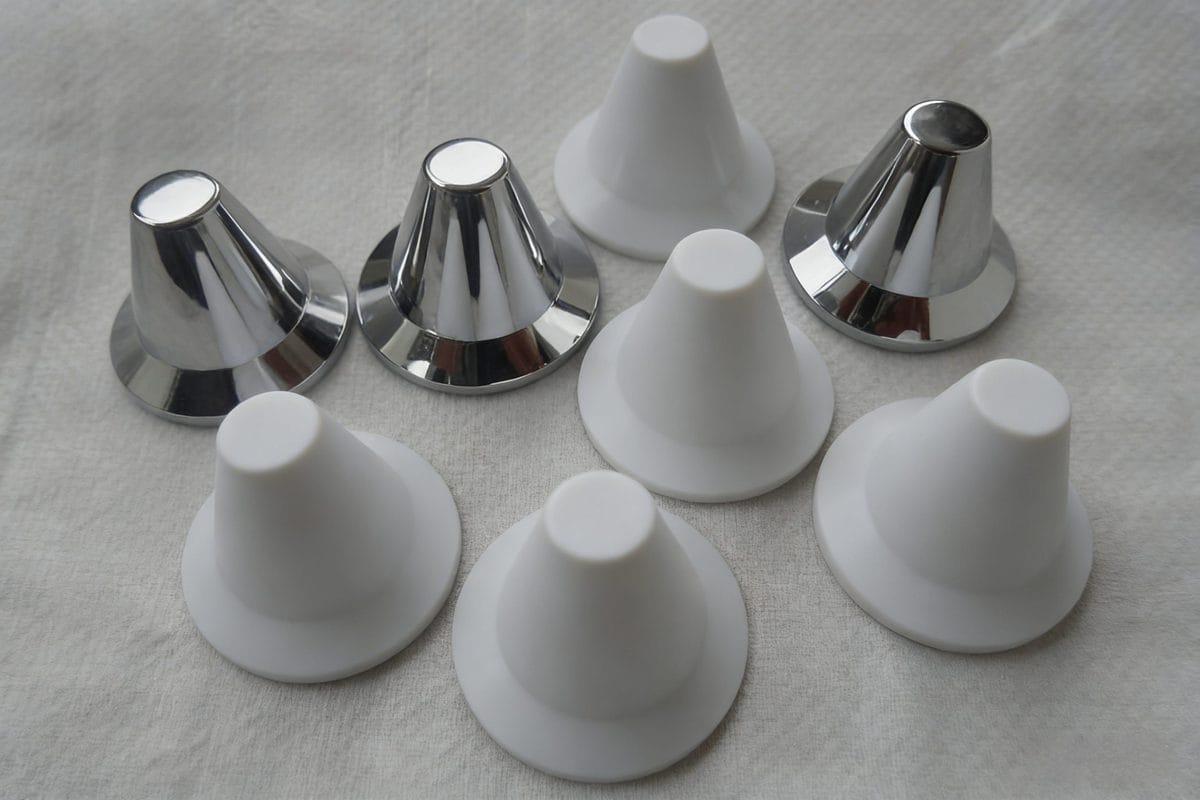
1. 塗料の密着性:EPDMの表面分布が果たす重要な役割
純PPは表面エネルギーが非常に低く、極性が弱いため、塗料の密着性が劣ります。 PP + EPDM これらの配合において、被膜の密着性を向上させる主なメカニズムは、 EPDMドメインの表面濃縮[^2] 溶融流動中。.
主要な仕組み:
- 射出成形中、せん断力によって、流動速度の速いPPマトリックスと、流動速度の遅いEPDM粒子との間に相分離が生じる。.
- With proper process control (e.g., optimized injection speed, gate design, and mold temperature), EPDM can be preferentially migrated toward the part surface—forming a thin, rubber-rich layer that enhances paint bonding.
> ⚠️ 実践的な課題: In real-world production, this surface migration is often overlooked when optimizing for other quality criteria (e.g., sink marks, warpage). As a result, inconsistent paint adhesion may occur—even with identical material batches.
推奨事項:
- 行動 初期段階における塗膜の付着性検証 実際の生産条件下で、成形された試験片を用いて。.
- XPS(X線光電子分光法)や接触角測定などの手法を用いて、EPDM表面の濃縮状態を確認する。.
2. 寸法安定性:PP+EPDMの収縮挙動
Dimensional accuracy is highly sensitive to shrinkage—especially for precision assemblies (e.g., snap-fit housings, instrument panels). Two main contributors dominate shrinkage in PP + EPDM:
a) EPDM’s Elastic Recovery
- EPDM acts as a compressible elastomer: under high injection pressure, it deforms; upon ejection, it partially rebounds (“elastic recovery”), causing post-mold dimensional drift.
- Higher EPDM content → greater elastic recovery → increased variability in final dimensions.
b) PPの結晶度と熱履歴
- PPは半結晶性であり、結晶化速度は冷却速度や金型温度に大きく左右される。.
- Secondary thermal exposure (e.g., paint oven curing at 80–120°C) can trigger 再結晶, leading to additional shrinkage or warpage—even after initial molding.
> ? 注記: Shrinkage values provided by suppliers are typically nominal ranges (e.g., 1.2–1.8%) and apply only to standardized geometries (e.g., ASTM plaques). Real-part shrinkage varies significantly with part thickness, flow path, and gating strategy.
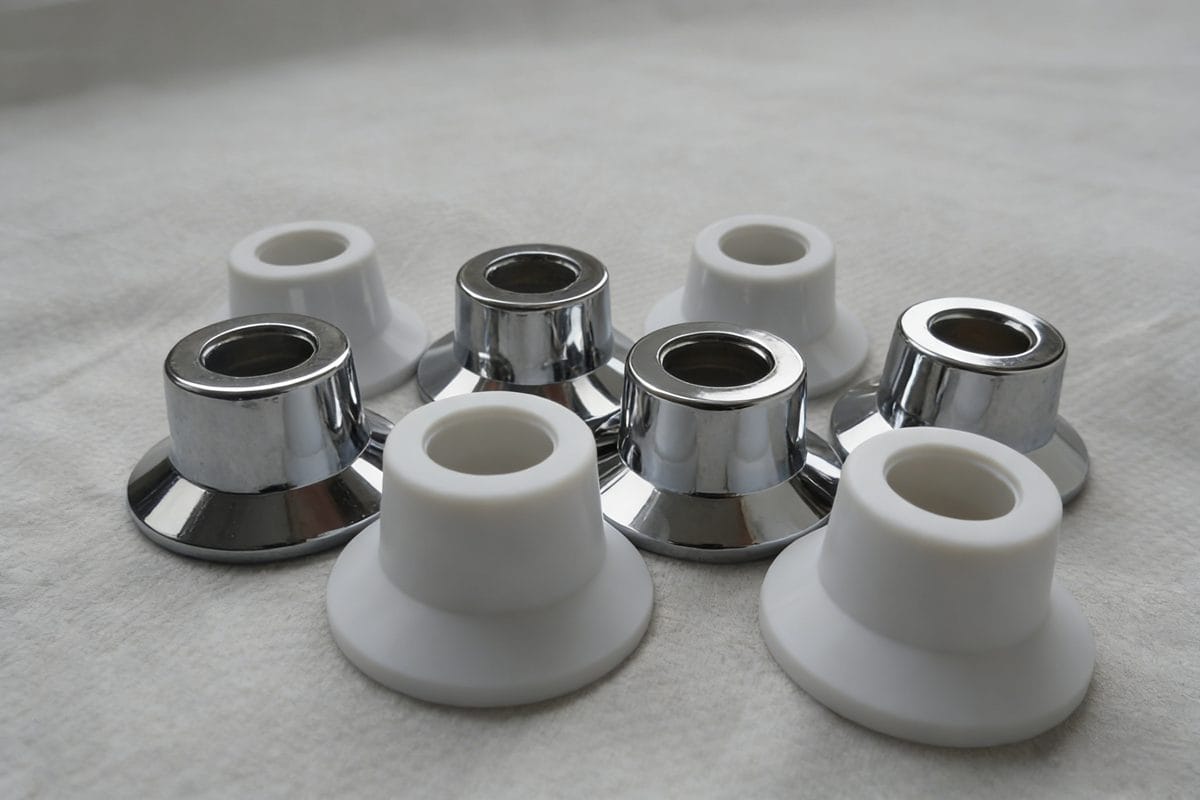
3. メルトフローインデックス(MFI):流動性とプロセス安定性のバランス
について メルトフローインデックス(MFI) quantifies the melt viscosity under standard conditions (e.g., 230°C, 2.16 kg load). It directly influences:
| MFIレベル | 成形への影響 |
|---|---|
| MFIが低い(20 g/10分) | Excessive flow → high sensitivity to pressure fluctuations; small changes in pack/hold pressure cause large dimensional variations → reduced プロセスの堅牢性[^3]. |
✅ 最適範囲: 自動車のインテリア用構造部品のほとんどにおいて、MFIは 8–15 g/10 min 充填性と寸法制御のバランスが最も優れています。.
4. 材料組成の影響
▶ EPDMの含有量
- メリット: 衝撃強度、延性、および低温靭性を向上させる(バンパーやダッシュボードにとって極めて重要)。.
- デメリット:
- Reduces melt flow → higher risk of surface defects (e.g., orange peel, gloss variation).
- Increases stress concentration → potential for micro-cracks or warpage.
- EPDMが過剰(20 wt%超)になると、プロセスウィンドウが著しく狭まり、表面の均一性が損なわれる。.
? プロキシインジケーター:
→ 破断伸び correlates strongly with EPDM content: higher elongation ≈ higher rubber phase.
▶ タルク(タルカムパウダー)の充填剤含有量
- Commonly added (5–20 wt%) to improve stiffness, heat resistance, and dimensional stability.
- デメリット:
- Lowers melt flow → exacerbates surface roughness and flow marks.
- Inhomogeneous dispersion → creates localized weak spots and reduces paint adhesion (talc particles interfere with primer wetting).
? プロキシインジケーター:
→ 引張強度 一般的に、タルクの添加量が増えるにつれて(最大約15 wt%まで)強度は増加する一方、伸びは減少する。.
5. 高品質な製造に向けた戦略的な材料選定
改質PPグレードを選定する際には、単に 最終部の演奏, 、だけでなく プロセスの堅牢性:
| 目標 | 推奨されるアプローチ |
|---|---|
| 塗料の密着性の均一性を最大限に高める | EPDMの粒子径および粒度分布が管理されたグレードを優先し、成形品の表面分析を通じてその有効性を検証する。. |
| 寸法の再現性を向上させる | Choose higher-shrinkage grades (e.g., 1.6–1.8%)—paradoxically, larger shrinkage reduces sensitivity to minor process drifts. |
| プロセスウィンドウを拡大する | Target moderate MFI (10 ± 2), balanced EPDM (10–15%), and well-dispersed talc ( ? プロからのアドバイス: 必ず依頼してください 成形ガイドライン[^4] from your resin supplier—including recommended barrel/mold temps, injection speed profile, and hold pressure duration—for the specific grade you intend to use. |
結論
Modified PP (especially PP+EPDM) remains a cornerstone material for high-volume injection molding—but its success hinges on a systems-level understanding of 材料の配合, 物理処理, そして 下流工程における仕上げ要件. EPDMのマイグレーション、収縮の動態、およびMFIの相互作用を無視すると、多額の費用がかかる手直しや、塗装不良、あるいは組み立て時の不整合につながる恐れがあります。.
By integrating material science insights with practical process validation, manufacturers can achieve both high aesthetics and functional reliability—without compromising cycle time or cost.
[^1]: Understand the factors that affect dimensional accuracy and how to mitigate them. [^2]: Learn how EPDM migration during molding improves coating adhesion. [^3]: Explore methods to enhance manufacturing consistency and reduce defects. [^4]: Get insights on optimal processing conditions to achieve high-quality molded parts.
著者について

アレックス・ユー
アイデアル・プロ・マニュファクチャリング
アレックスはIdeal Proの共同創業者ですが、重要なプロジェクトの監督や技術チームの指揮をとっていないときは、長距離サイクリングを楽しんだり、街で一番おいしいコーヒーを探し回ったり、次の旅の計画を立てたりしている姿を見かけるでしょう。 国際貿易の営業やプロジェクト管理に20年以上の経験を持つ彼は、厳しい納期や厄介な技術的課題など、ありとあらゆる状況を経験してきました。彼は、素晴らしい仕事は十分な休息と一杯の美味しいコーヒーから生まれると信じており、その好奇心と細部へのこだわりを、手掛けるすべてのプロジェクトに注ぎ込んでいます。 オフィスにいないときは、たいてい屋外で、新しい場所を探索したり、皆と共有できるエピソードを集めたりしています。.
 English
 French
 Dutch
 German
 Japanese
 Korean