 日本語



プラスチック製造
ホーム
プラスチック製造
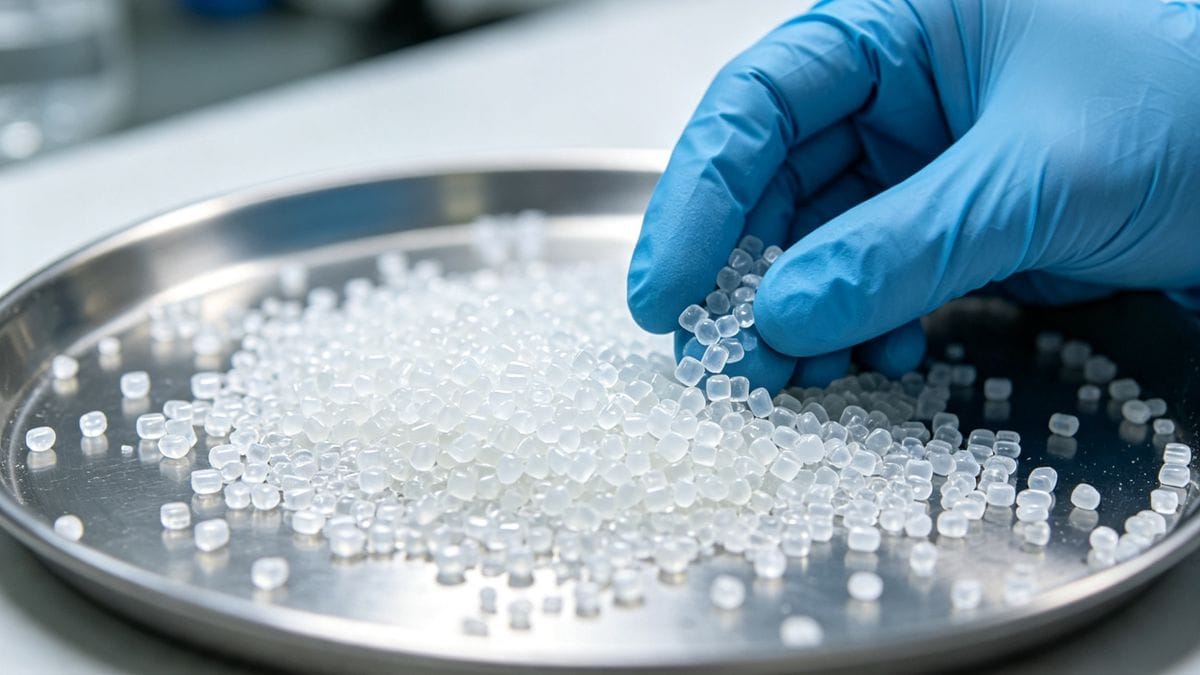
Incomplete injection molding (often referred to as "short shots") is one of the most common challenges in plastic manufacturing. Fortunately, it is usually highly solvable. When standard process adjustments fail to yield results, the root cause often lies in mold design or…
 アレックス・ユー
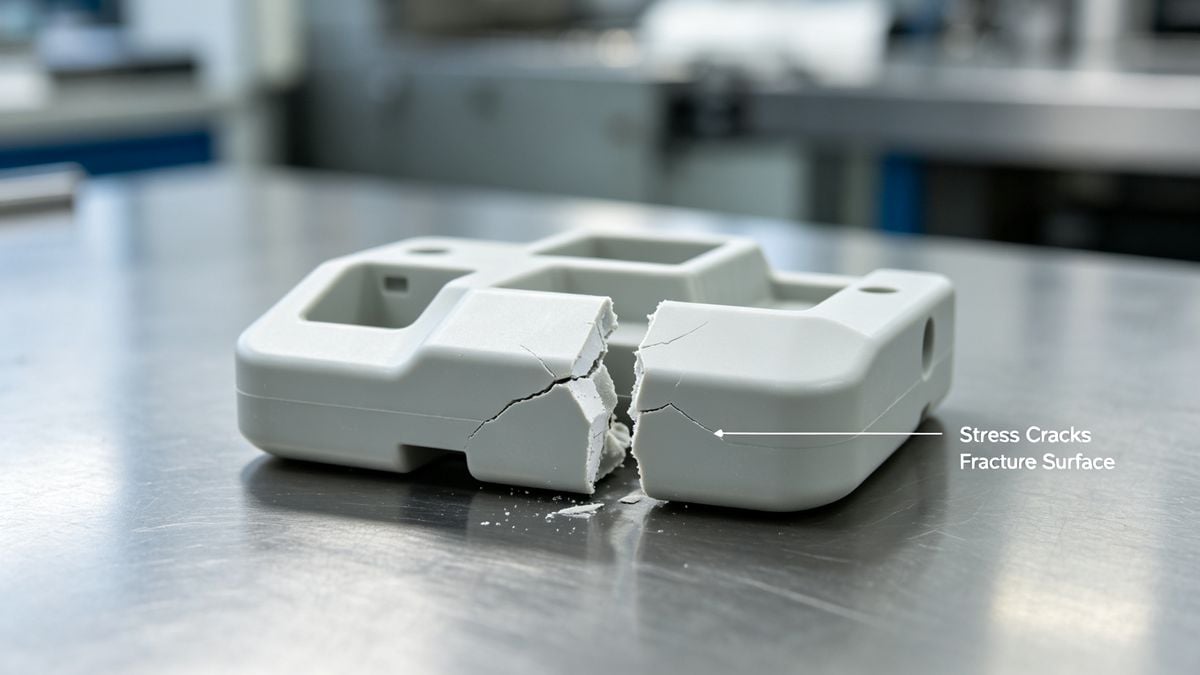
Brittleness in injection molding is a frustrating defect that can ruin production runs and compromise product safety. When a plastic part is brittle, it is prone to cracking, snapping, or breaking under stress. Fundamentally, this issue is usually caused by polymer degradation…
アレックス・ユー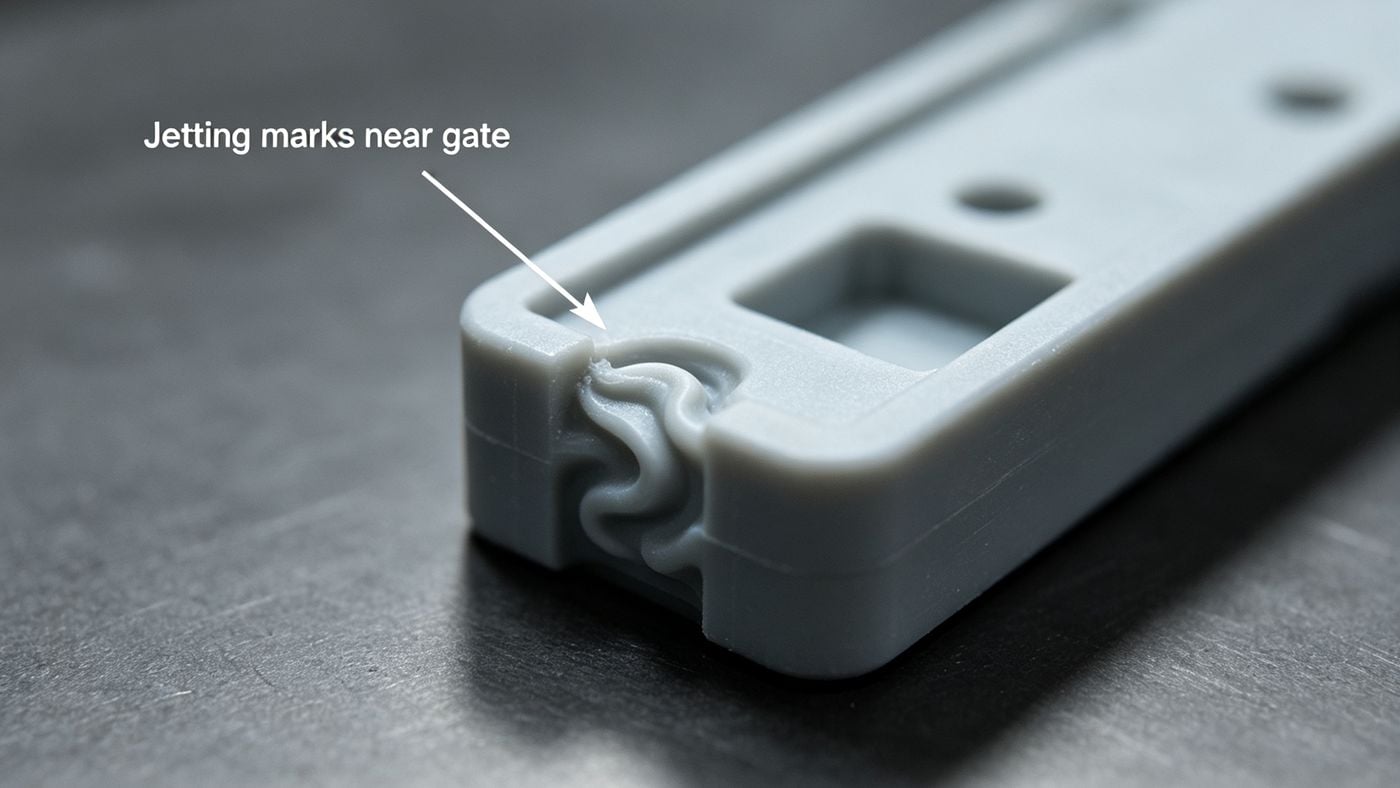
Injection molding is a precise science, but even minor deviations can lead to costly defects. One of the most frustrating issues operators face is nozzle drool (often accompanied by jetting or jet marks). Typically appearing as snake-like streaks near the gate—especially in…
アレックス・ユー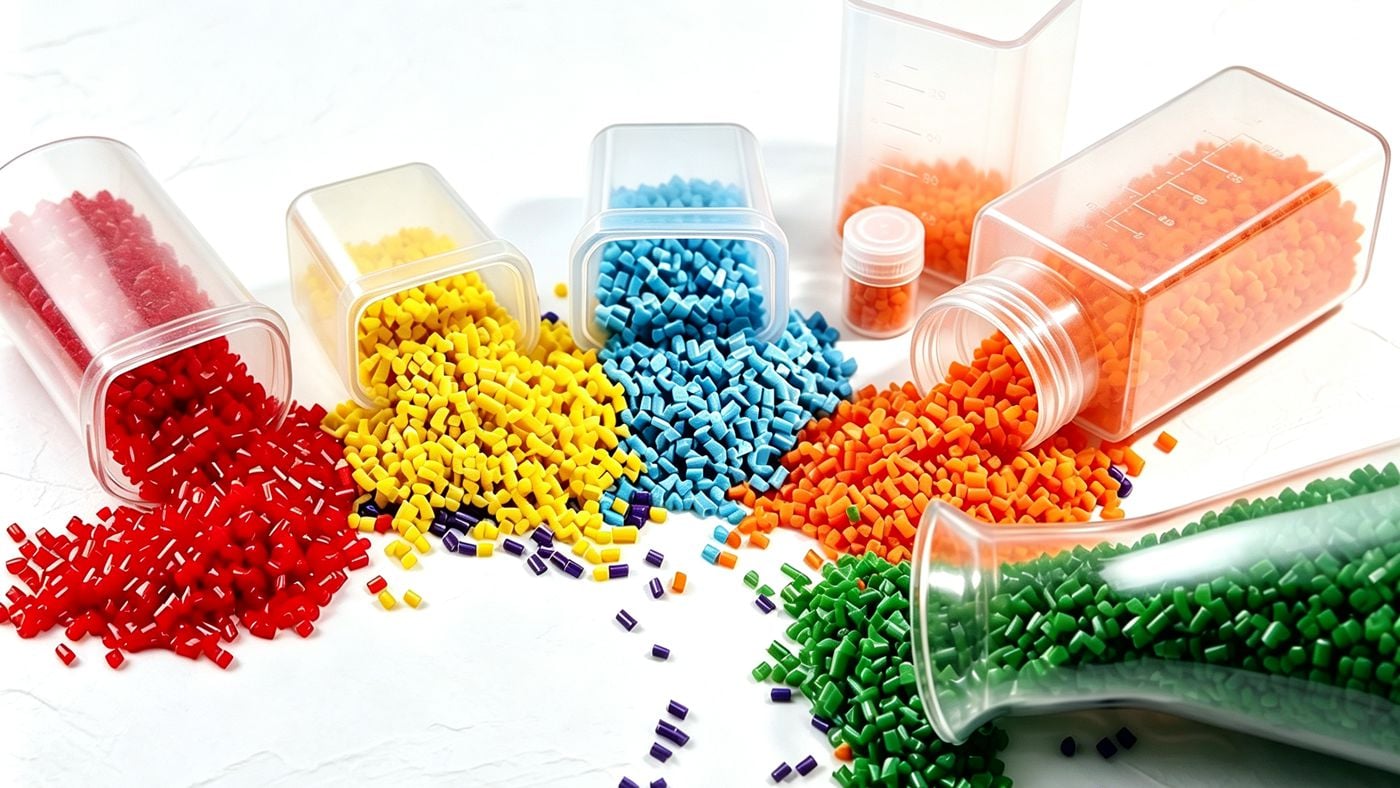
Introduction Adding color masterbatch to injection molding is a standard practice, but it can sometimes lead to unexpected defects. From unsightly streaks to poor mechanical properties, these issues can cost manufacturers both time and money. In this guide, we will explore the…
アレックス・ユー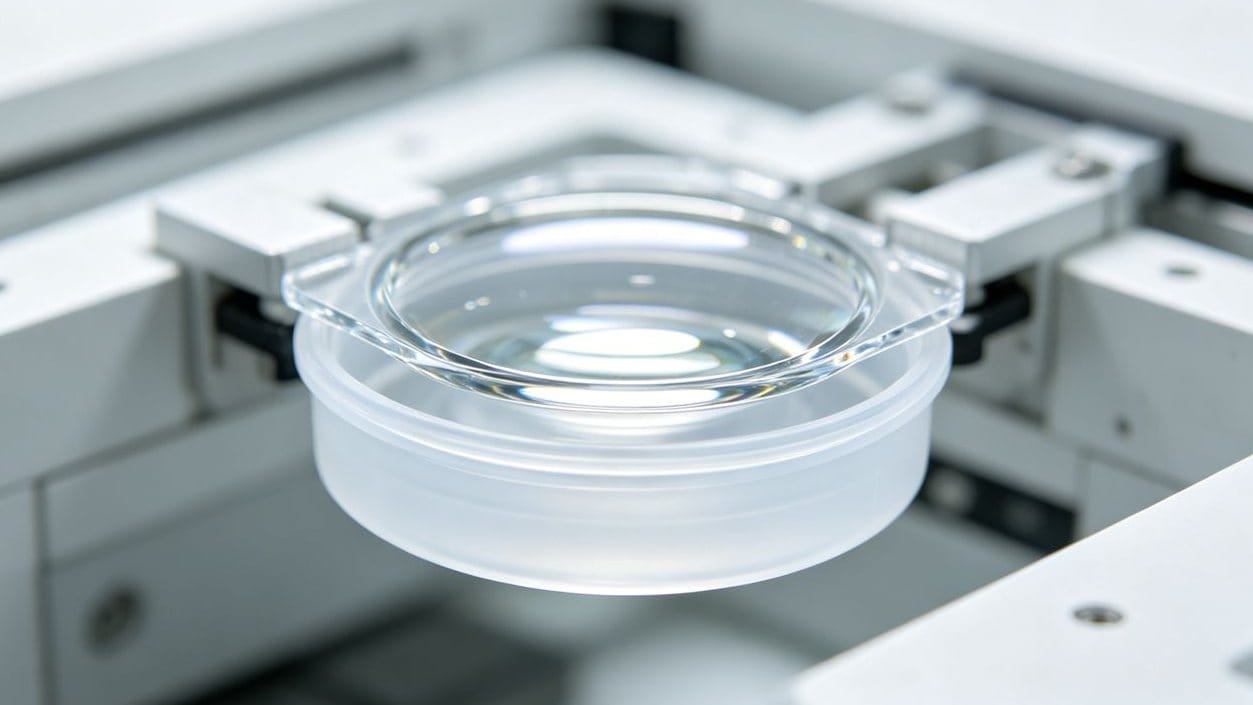
Transparent plastics demand exceptional clarity. Because light passes directly through the material, even the slightest surface defect—such as streaks, air bubbles, cloudiness, black spots, or poor gloss—becomes immediately visible. Achieving a flawless finish requires strict control over the entire injection molding process,…
アレックス・ユー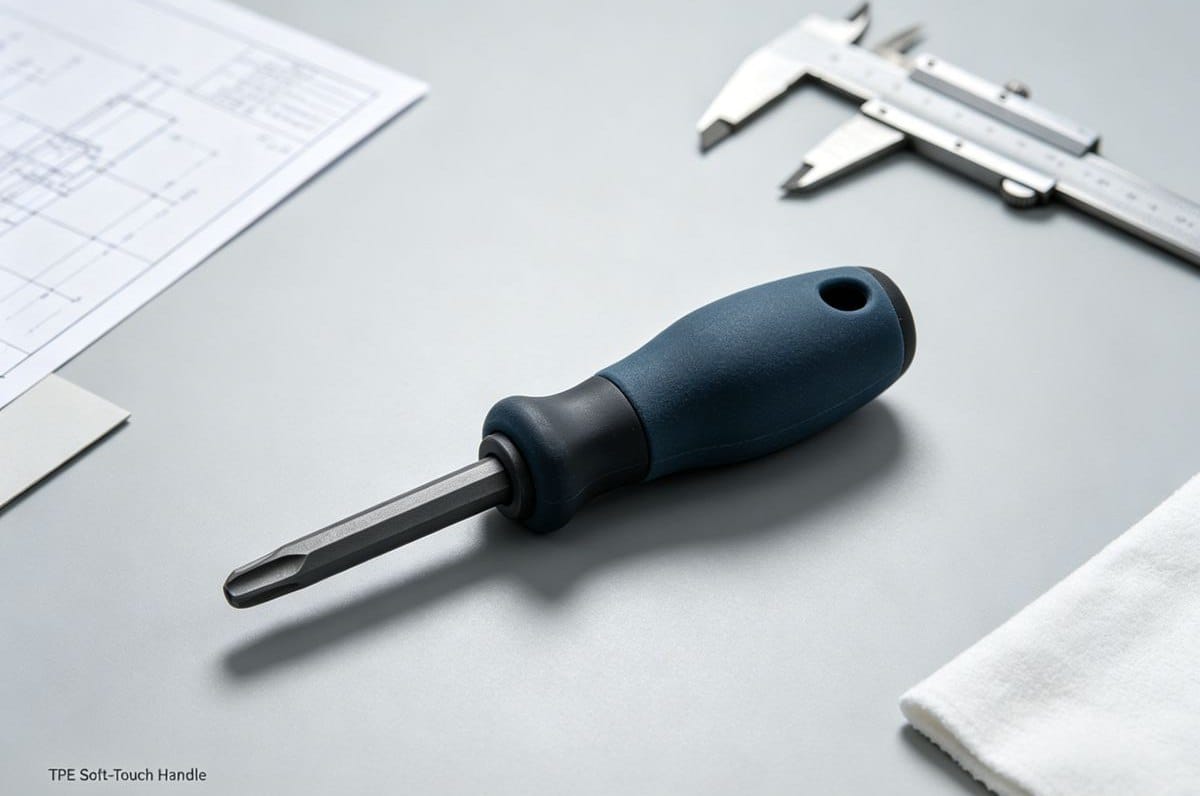
Thermoplastic Elastomers (TPE) have revolutionized modern manufacturing, bridging the gap between the flexibility of traditional rubber and the high-speed processing of plastics. However, working with TPE requires a nuanced understanding of its unique properties. At IDEAL PRO, we’ve spent over 18 years…
アレックス・ユー
Introduction: Why HDPE Matters in Modern Manufacturing High-Density Polyethylene (HDPE) is one of the most versatile and widely used thermoplastics in the world today. Recognized by its resin identification code "2", HDPE is celebrated for its exceptional strength-to-density ratio, outstanding chemical resistance,…
アレックス・ユー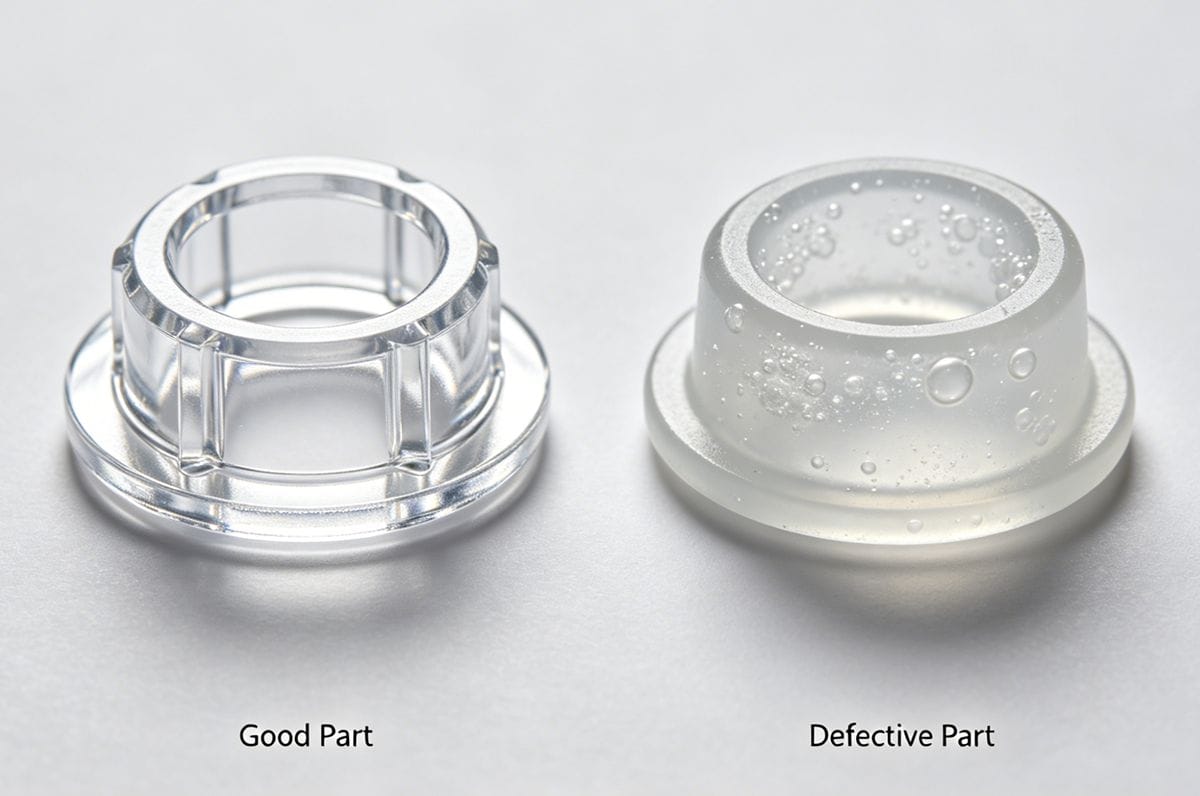
Transparent plastic injection molding is notoriously challenging. Even minor fluctuations in temperature, pressure, or material moisture can lead to visible defects that compromise both aesthetics and structural integrity. Whether you're working with acrylic (PMMA), polycarbonate (PC), or PET, achieving optical clarity requires…
アレックス・ユー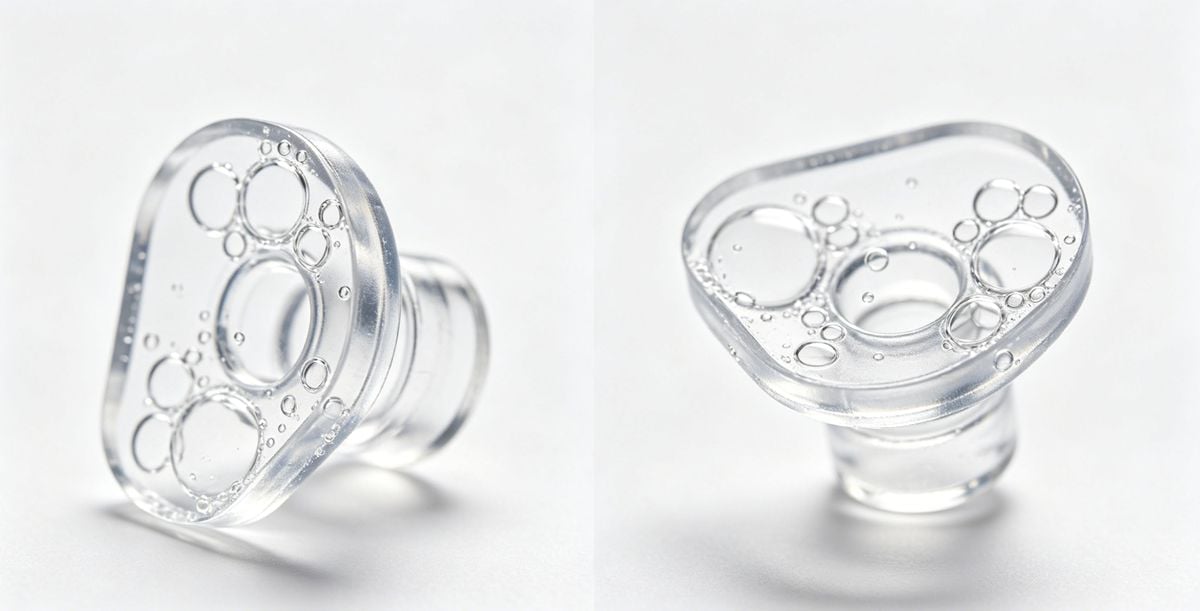
Injection Molding Bubbles: Causes, Identification, and Solutions Bubbles in injection molded parts are a common yet critical defect. Unless intentionally designed for aesthetic purposes, trapped air is strictly unacceptable in transparent products. More importantly, bubbles compromise the mechanical strength of the part…
アレックス・ユー English English
 French
 Dutch
 German
 Japanese
 Korean