 English




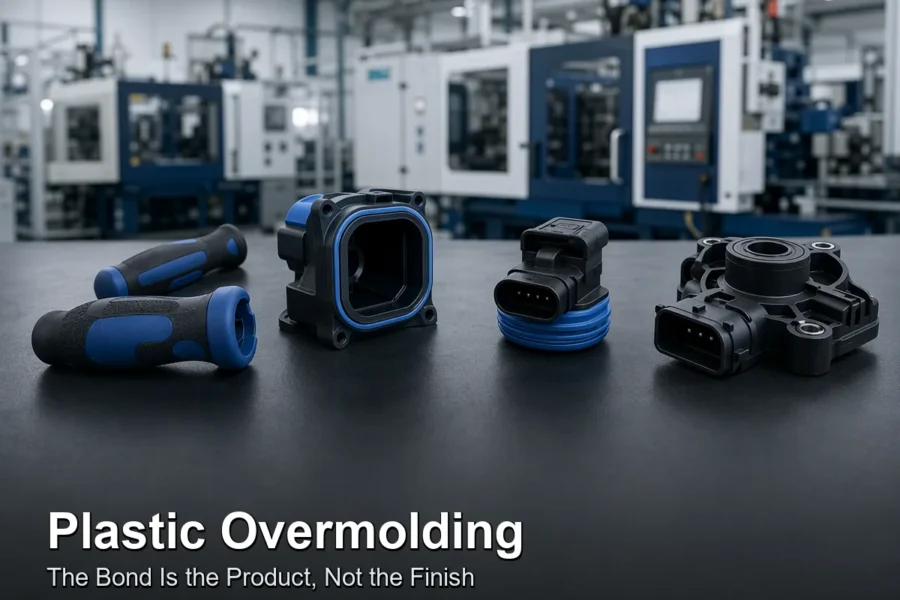
In recent years, two-shot (or multi-material) injection molding has surged in popularity—driven by strong consumer demand—and has become a major trend across diverse industries. Its applications span from everyday household items such as toothbrush handles, combs, cleaning brushes, knife handles, and scissors, to small home appliances including flashlights, hairdryers, steam irons, and electric toothbrushes. Manufacturers are increasingly incorporating a layer of Thermoplastic Elastomer (TPE)[^1] to enhance product differentiation, comfort, and perceived value.

Functional Benefits of TPE Two-Shot Molding
Integrating TPE into product design delivers several key advantages:
- Enhanced tactile experience: Soft-touch surface for improved user comfort
- Anti-slip performance: Superior grip and handling safety
- Impact resistance: Improved shock absorption and durability
- Value-added upgrade: Elevates existing products, boosting market positioning and premium appeal
Processing Methods
1. Multi-Material Molding (Two-Shot Molding)
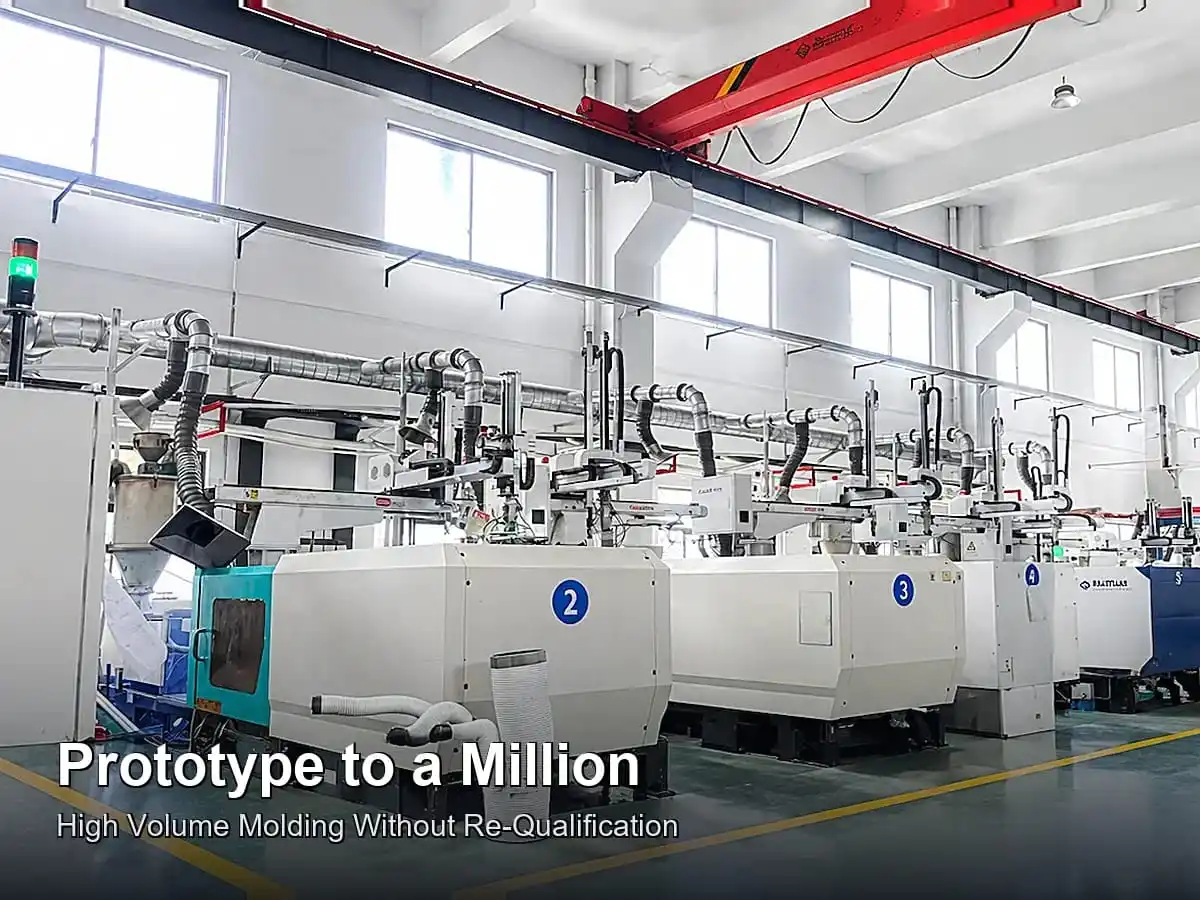
Multi-material molding is performed using specialized two-shot injection molding[^2] machines (commonly called dual-color machines). These machines typically feature two distinct configurations:
- Right-angle nozzle arrangement
- Balanced (parallel) nozzle arrangement
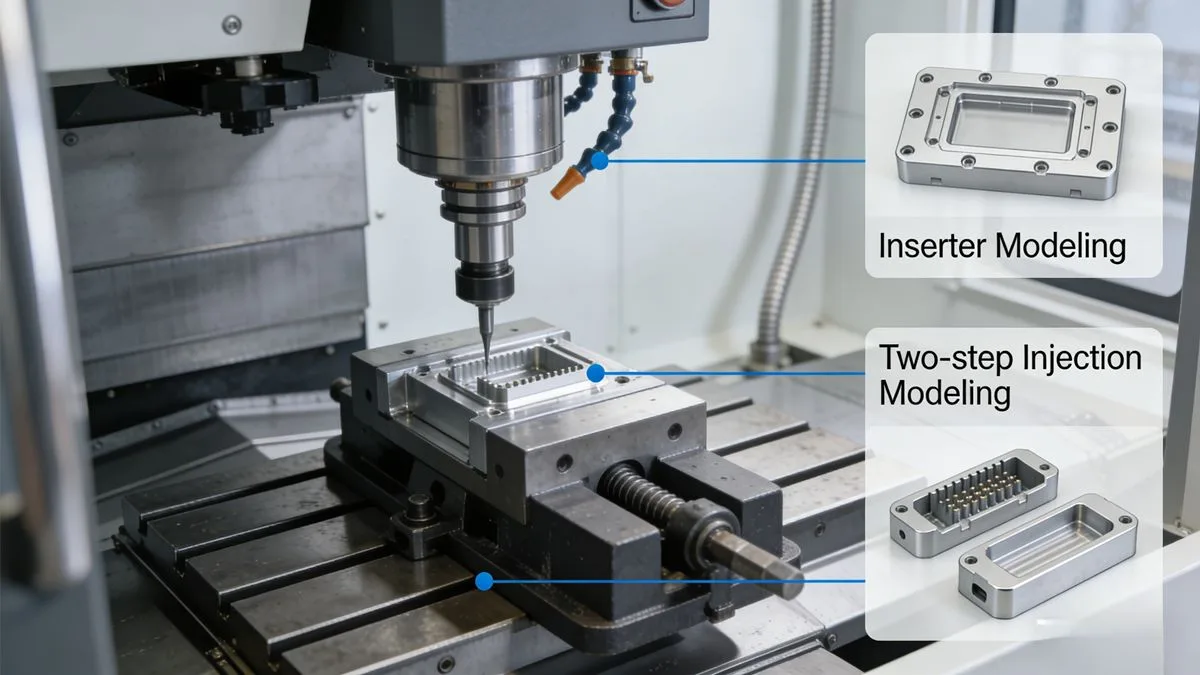
Right-angle dual-color machines support various mold mechanisms—including rotary tables, core rotation, core sinking, gate partitioning, and sliding cores—enabling flexible mold design. In this process, two (or more) materials are injected sequentially into different cavities of the same mold, achieving seamless multi-material or multi-color results.
Key Advantages:
- Shorter cycle times and higher productivity vs. traditional methods
- Consistent product quality with lower scrap rates
- Stronger interfacial bonding between materials
- Fewer cosmetic defects at material interfaces
- Enables complex geometries and integrated designs
2. Insert Molding (Two-Step Process)
Insert molding—also known as the two-step method—uses standard horizontal or vertical injection molding machines. It requires two separate molds and two machines:
- A rigid plastic part (the “insert”) is first molded.
- This pre-formed insert is then placed into a second mold, where TPE is overmolded onto it.
This approach is widely adopted when tooling investment or production flexibility is a priority.
Material Compatibility with TPE
The choice of substrate (hard plastic) varies by application:
- Brush-type products often use PP (polypropylene)
- Appliances & electronics commonly use ABS, PC, or PA (nylon)

Crucially, not all TPE grades bond equally well with every hard substrate. Since each TPE formulation has unique adhesion properties, selecting the right TPE grade for a specific hard plastic is essential to ensure optimal bonding strength and long-term reliability.
Common Hard Plastics Compatible with TPE:
| Substrate | Examples |
|---|---|
| Polyolefins | PP, PE |
| Styrenics | ABS, HIPS, SAN, PS |
| Engineering Plastics | PC, ABS/PC blends, PMMA (acrylic) |
| Polyamides | PA66, PA + GF (glass-filled nylon) |
> ? Tip: Always verify compatibility through adhesion testing (e.g., peel strength, tensile lap shear) before full-scale production.
[^1]: Explore the advantages of TPE in product design, enhancing comfort and durability. [^2]: Learn about the innovative process of two-shot injection molding and its applications in various industries.
FAQ
Functional Benefits of TPE Two-Shot Molding
Integrating TPE into product design delivers several key advantages: Enhanced tactile experience: Soft-touch surface for improved user comfort Anti-slip performance: Superior grip and handling safety Impact resistance: Improved shock absorption and durability Value-added upgrade: Elevates existing products, boosting market positioning and premium appeal
1. Multi-Material Molding (Two-Shot Molding)
Multi-material molding is performed using specialized [two-shot injection molding](https://www.fictiv.com/articles/two-shot-injection-molding-vs-overmolding)[^2] machines (commonly called dual-color machines). These machines typically feature two distinct configurations: Right-angle nozzle arrangement Balanced (parallel) nozzle arrangement
Right-angle dual-color machines support various mold mechanisms—including rotary tables, core rotation, core sinking, gate partitioning, and sliding cores—enabling flexible mold design. In this process, two (or more) materials are injected sequentially into different cavities of the same mold, achieving seamless multi-material or multi-color results.
Key Advantages: Shorter cycle times and higher productivity vs. traditional methods Consistent product quality with lower scrap rates Stronger interfacial bonding between materials Fewer cosmetic defects at material interfaces Enables complex geometries and integrated designs
2. Insert Molding (Two-Step Process)
Insert molding—also known as the *two-step method*—uses standard horizontal or vertical injection molding machines. It requires two separate molds and two machines: 1. A rigid plastic part (the “insert”) is first molded. 2. This pre-formed insert is then placed into a second mold, where TPE is overmolded onto it.
This approach is widely adopted when tooling investment or production flexibility is a priority.
Material Compatibility with TPE
The choice of substrate (hard plastic) varies by application: Brush-type products often use PP (polypropylene) Appliances & electronics commonly use ABS, PC, or PA (nylon)
Crucially, not all TPE grades bond equally well with every hard substrate. Since each TPE formulation has unique adhesion properties, selecting the right TPE grade for a specific hard plastic is essential to ensure optimal bonding strength and long-term reliability.
Common Hard Plastics Compatible with TPE:
> ? Tip: Always verify compatibility through adhesion testing (e.g., peel strength, tensile lap shear) before full-scale production.
[^1]: Explore the advantages of TPE in product design, enhancing comfort and durability. [^2]: Learn about the innovative process of two-shot injection molding and its applications in various industries.
About the Author

Alex Yu
Ideal Pro Manufacturing
Alex is the co-founder of Ideal Pro, but when he's not overseeing key projects or steering the technical team, you'll likely find him on a long bike ride, hunting for the best coffee in town, or planning his next travel adventure. With over 20 years of experience spanning international trade sales and project management, he's seen it all — tight deadlines, tricky engineering problems, and everything in between. He believes great work comes from a well-rested mind and a good cup of coffee, and he brings that same curiosity and attention to detail to every project he takes on. When he's not in the office, he's usually somewhere outdoors, exploring new places and collecting stories to share.
 English
 French
 Dutch
 German
 Japanese
 Korean