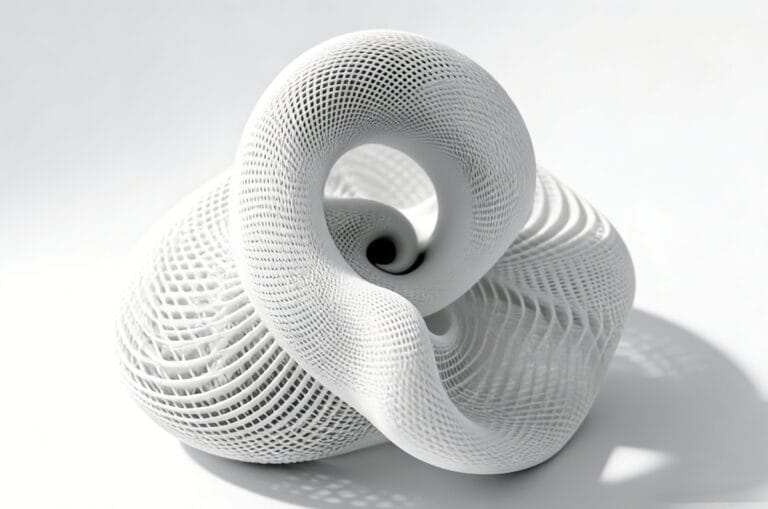
Why choose IDEAL PRO for 3D Printing Service

IDEAL PRO stands out for 3D printing. We deliver exceptional precision, ensuring every detail matches your design. With fast turnaround times and a wide range of high-quality materials, we meet diverse needs. Our professional team offers tailored support, making your 3D printing journey smooth and reliable. Trust us for top-tier results.
3D Printing Processes

Our 3D printing service offers custom parts on demand. With 6 technologies, we turn your 3D files into plastic, metal and elastomer components. Unmatched capacity ensures reliable delivery in days. We also provide diverse materials and post-processing for better look or performance.

Metal 3D Printing

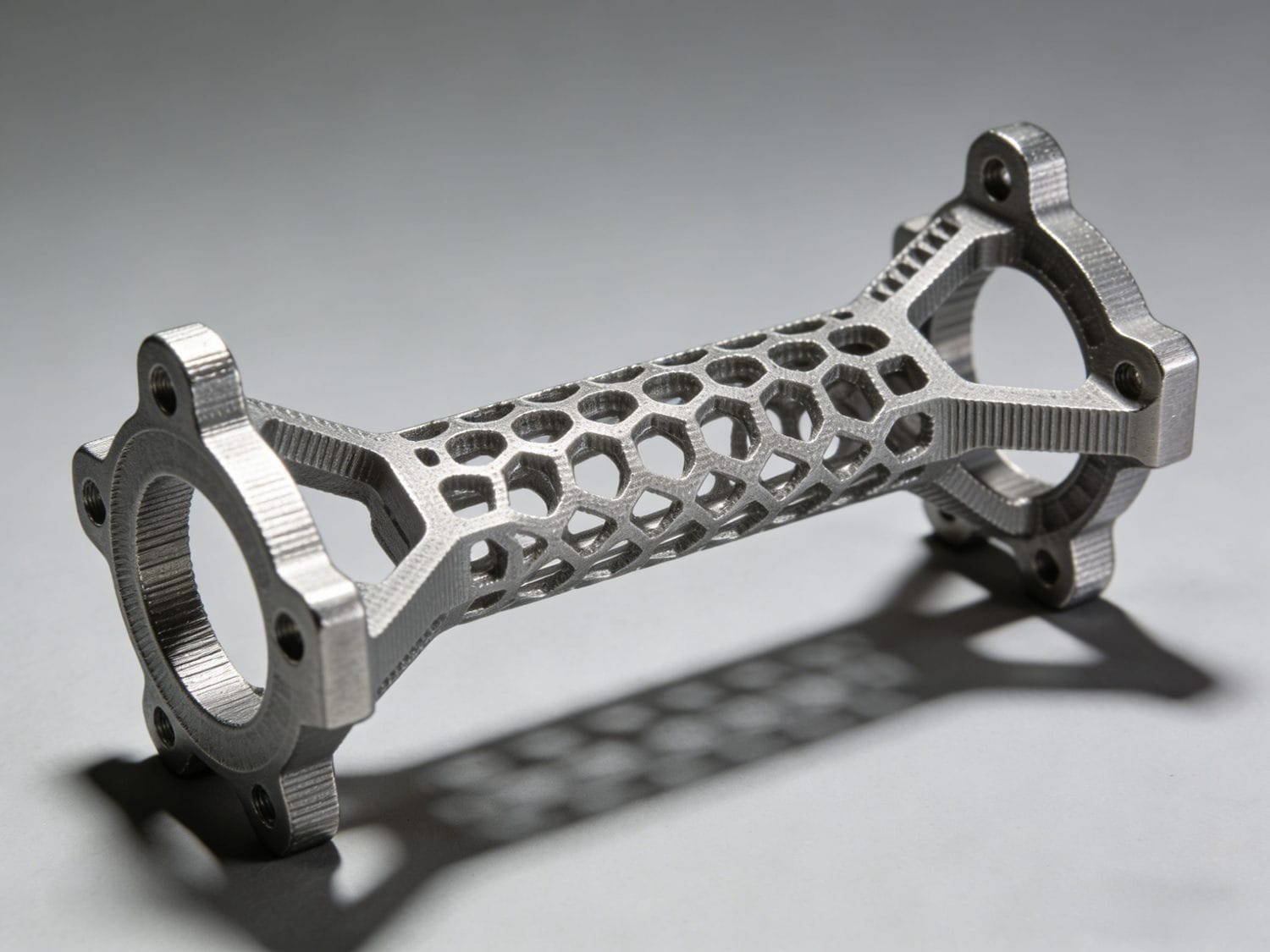
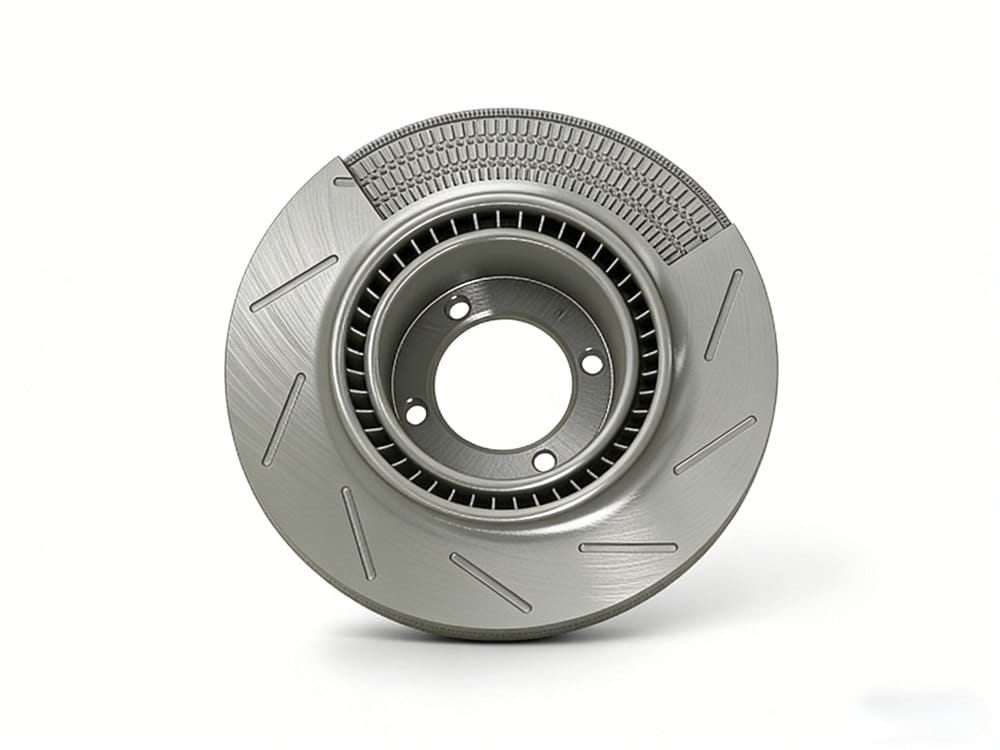
Direct metal laser melting (DMLM) utilizes a high-power fiber laser to selectively fuse layers of atomized metal powder, fabricating fully dense, high-precision metal components with complex geometries.

Stereolithography (SLA)

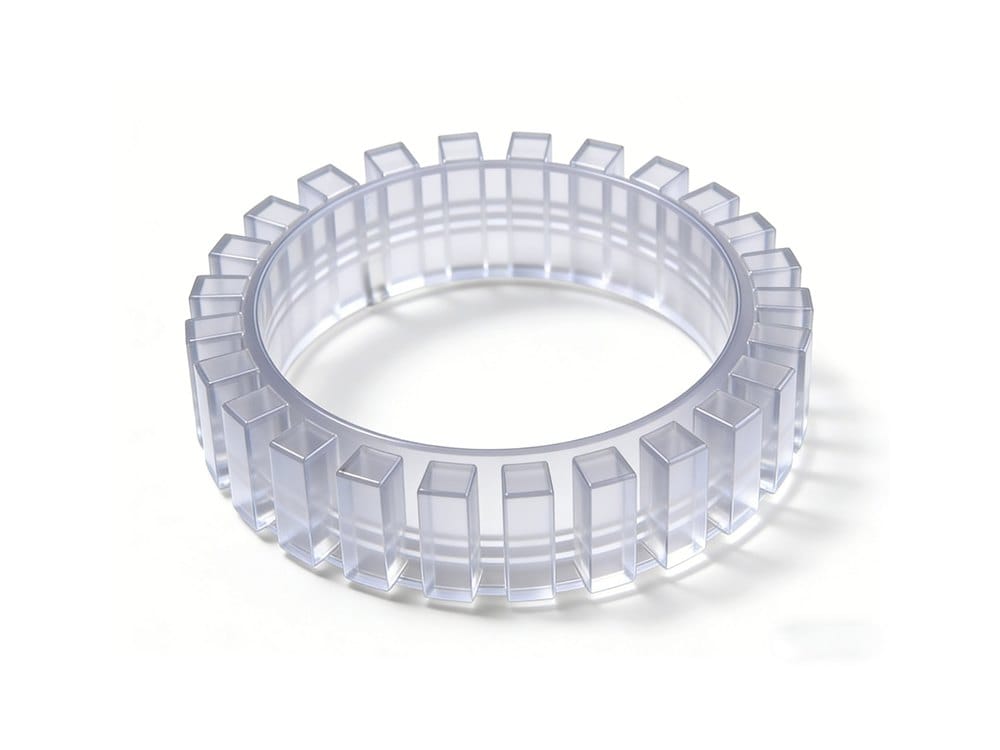
Stereolithography (SLA) employs a high-precision ultraviolet laser to selectively cure the surface of liquid thermoset resin, stacking hundreds of ultra-thin cured layers sequentially until fully formed, high-resolution parts are achieved.

Selective Laser Sintering (SLS)

Direct Metal Laser Sintering (DMLS) uses a high-power fiber laser to selectively fuse fine layers of stainless steel powder, building up dense, fully functional metal components layer by layer.

Multi Jet Fusion (MJF)

Digital Light Processing (DLP) technology employs a UV projector to cure entire layers of liquid photopolymer resin at once, achieving rapid production of models with exceptionally smooth surface finish and fine detail.

PolyJet

Fused Deposition Modeling (FDM) feeds a thermoplastic filament through a heated extruder, depositing material along a programmed path to construct durable prototypes and end-use parts through additive layering.

Advanced Photopolymers

When your design demands environmental resistance and mechanical performance beyond standard FDM, explore our range of industrial-grade PolyEther Ether Ketone (PEEK) materials, enabled by High-Speed Sintering (HSS) technology.

Years of experience
0
Countries
0
Customers
0 +
Successful Project
0 %

Print it Better, with IDEAL PRO

IDEAL PRO delivers high quality 3D-printed parts quickly, backed by engineers specializing in additive manufacturing. Leverage our six 3D printing technologies and 60+ materials to create high-performing, reliable parts.

3D Printing Materials

Plastic 3D Printing Materials

ABS is an all-purpose material that offers smooth surface finishes, impact resistance, and durability. We offer a variety of ABS-like plastics

We offer multiple grades of nylons through our selective laser sintering (SLS) and Multi Jet Fusion (MJF) 3D printing processes. These powdered thermoplastic materials build durable parts with mechanical properties suitable for functional prototyping and end-use.

Polycarbonate is a versatile material choice that stiff parts with excellent heat deflection. Multiple polycarbonate-like materials are available through our stereolithography (SLA) process.

3D-printed polypropylene is a lightweight material with flexibility, durability, and chemical resistance.

3D-printed silicone comes in a variety of Shore-A harnesses, is biocompatible, and functional in a range of temperatures. 

3D-printed TPU offers rubber-like elasticity and elongation with good abrasion and impact resistance.

3D printing in digital photopolymer offers multiple Shore A hardnesses and comes in three colors: clear/translucent, white, and black.

Metal 3D Printing Materials

3D-printed aluminum offers high temperature and corrosion resistance and an excellent strength-to-weight ratio.

3D-printed cobalt chrome offers a high strength-to-weight ratio and excellent creep and corrosion resistance.

Polycarbonate is a versatile material choice that stiff parts with excellent heat deflection. Multiple polycarbonate-like materials are available through our stereolithography (SLA) process.

A high strength, corrosion resistant nickel chromium superalloy. Inconel 718 comes in different three resolutions and can receive different post-processing treatments.

3D-printed stainless steel is a corrosion resistant metal with high hardness and strength. We offer two grades of stainless steel for 3D printing:

Known as a “workhorse” alloy, titanium is a lightweight metal with high strength and excellent corrosion resistance. All final titanium parts receive vacuum stress relief application. 

Testimonials

That’s amazing! After changing the original design from stainless steel to injection molding, the product cost dropped by 75%. Ideal gave us a lot of great suggestions for our previous design, and tested both the prototype and the first batch of samples. Everything was perfect, and our new product went online a week ago. I’m confident that the lower price will make our product sell like hotcakes in the coming time!

Noté 5 sur 5
John Thompson

Product Developer

At first, I was really taken aback. I thought I was in big trouble, as the finished product was completely different from what I had envisioned! The surface treatment was completely off. Well, maybe there was a misunderstanding during communication, and we had a different understanding of electroplating. But thankfully, Jancy helped me resolve the issue thoroughly. They managed to remake a batch of goods within a week, solving my major problem. Although the process was a bit rocky, the result turned out well! Good job, Jancy!

Noté 5 sur 5
Julia Western

Senior Designer

Ideal’s professionalism and efficiency have left a deep impression on me! I received quotes from nearly 20 suppliers, but most of them provided very general prices. Only Ideal provided me with detailed quotations and modification suggestions. They mentioned having over 30 years of experience in the injection molding industry, which is very convincing! We’ve had a good start, and we’ll choose to further collaborate with them!

Noté 5 sur 5
David

CEO

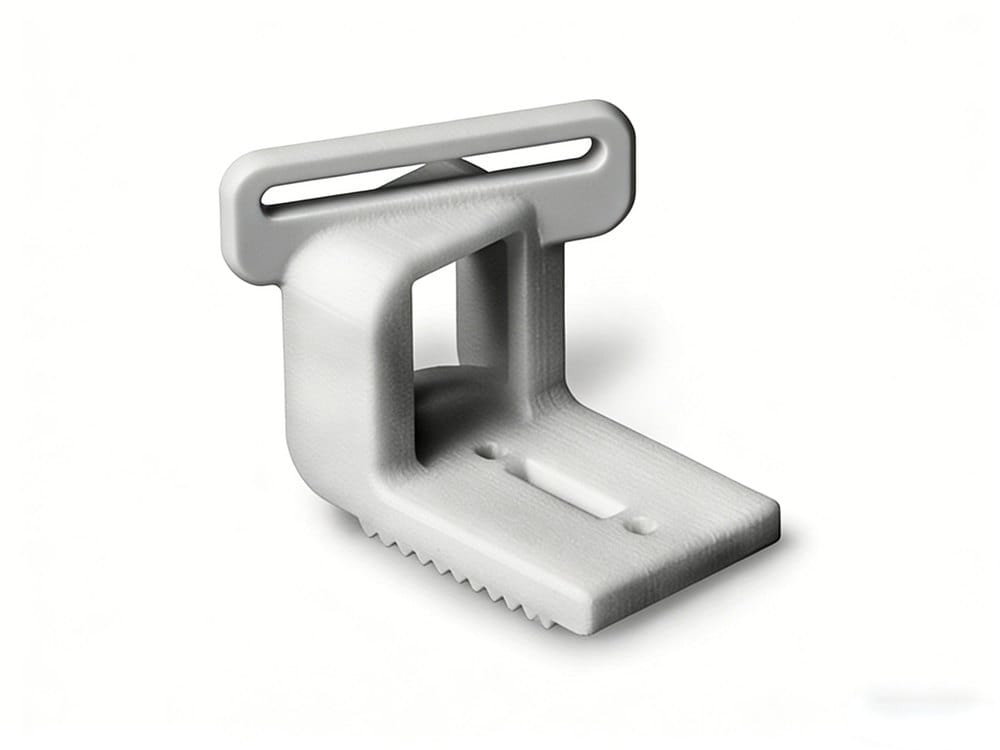
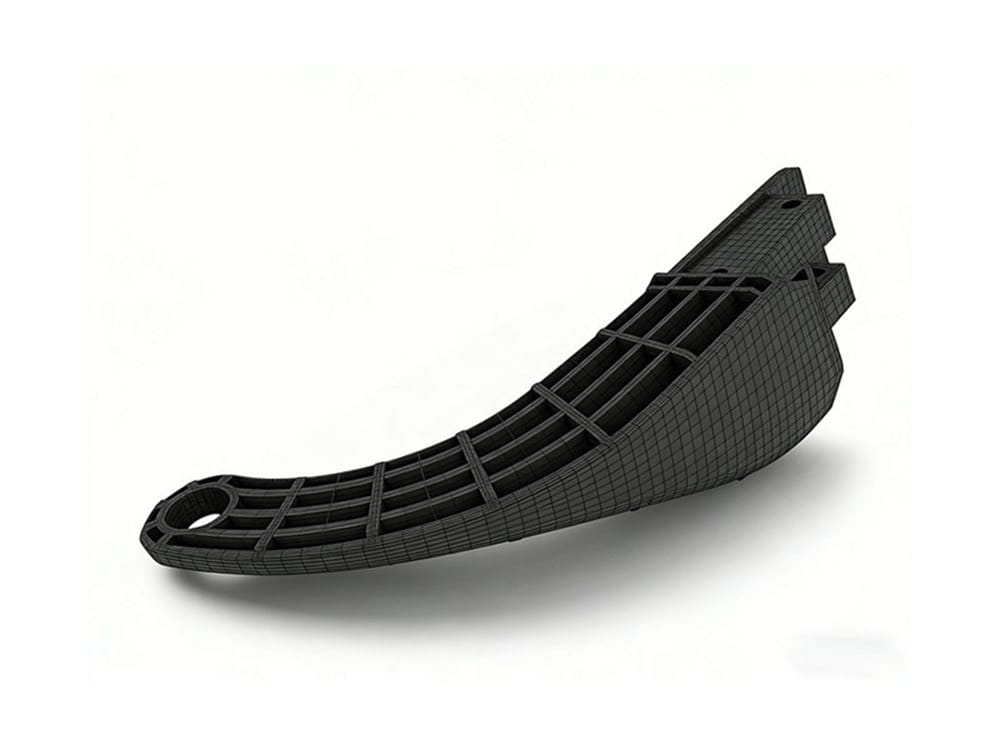
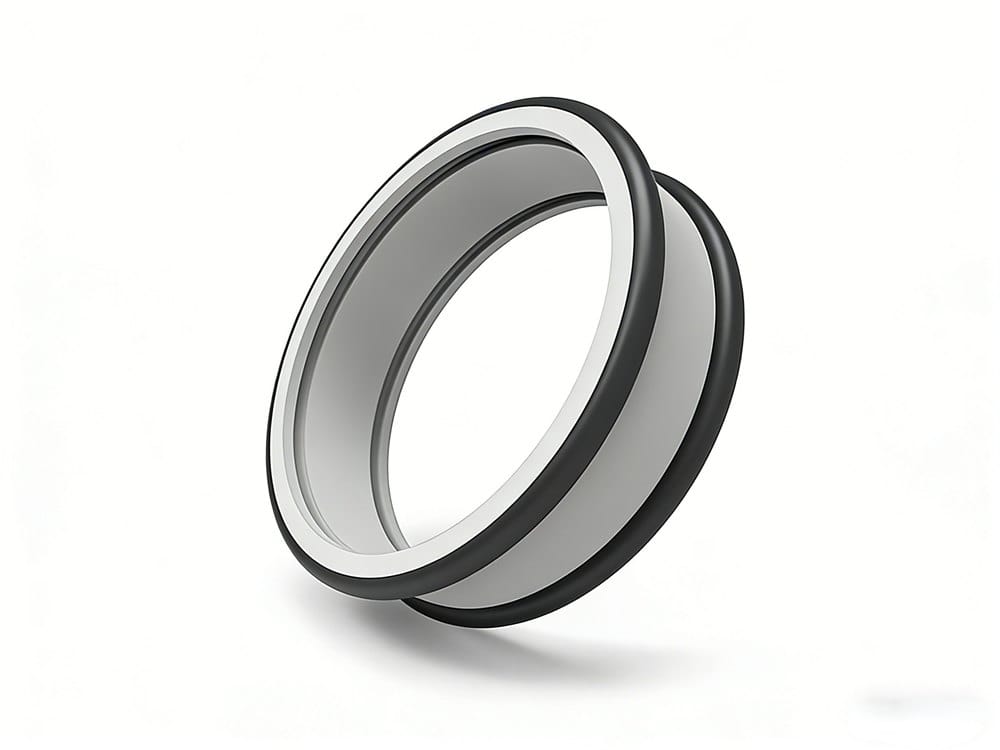
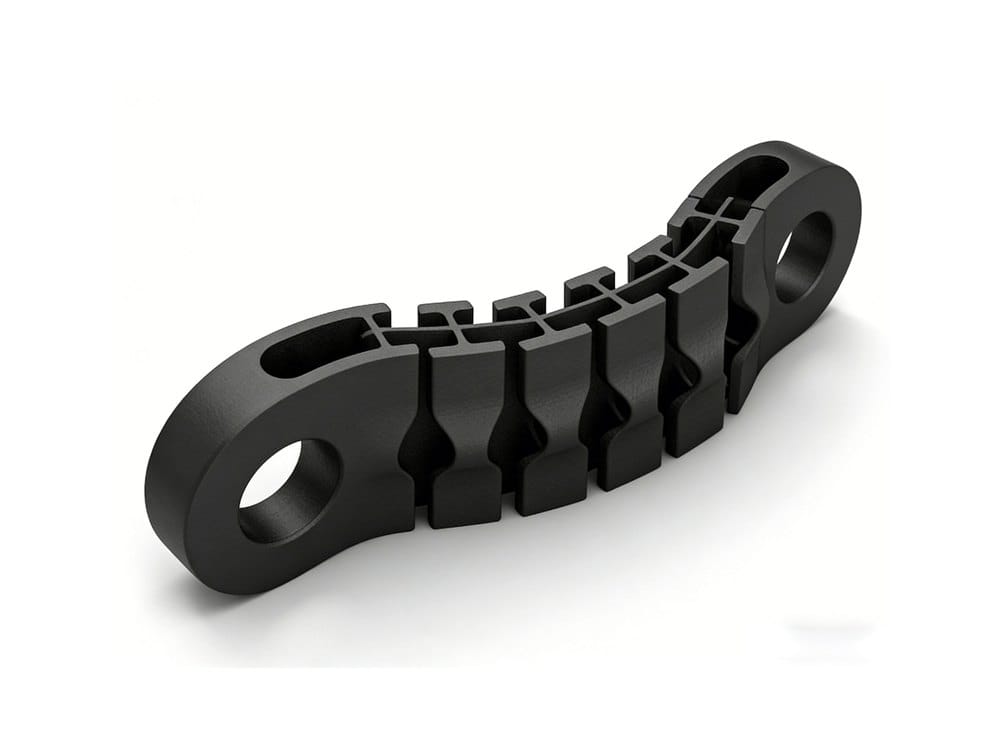
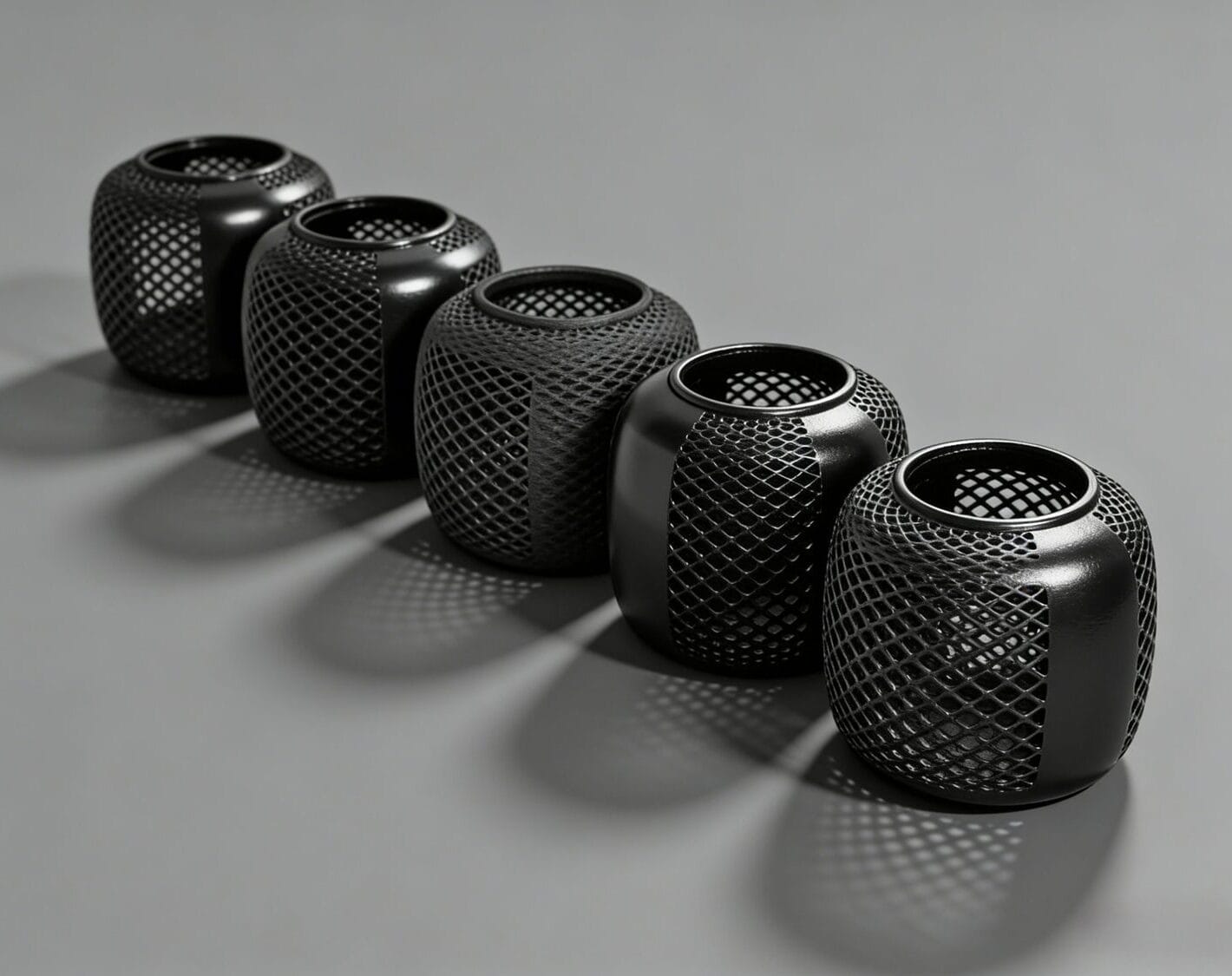
3D Printed Parts Made by IDEAL PRO

3D Printing FAQs

Demystifying 3D Printing: Key Queries Answered

3D printing cost per part is dependent on a multitude of factors, including design, material, process, and post print operations. Typically, the post print operations account for most of the part cost, especially if manual labor is involved. In general, the laser powder bed sintering processes like SLS and MJF are the most optimal economic choices for end use parts if cost is a key factor. 

Though all file types are ultimately converted to STL (.stl) before printing, the recommended file type to upload is STEP (.stp/.step). SOLIDWORKS (.sldprt), and IGES (.igs/.iges) files. Check out further guidance on how to design .stil files for 3D printing. Learn more about .stl files for 3D printing.

The maximum size of the part depends on the bounding box in the 3D printing machine being used. With the advancement in large format printing options, parts with build volumes as large as 31.5 in. x 15.7 in. x 19.7 in. for metal parts and as large as 29 in. x 25 in. x 21 in. for plastic parts.

One of the biggest advantages of 3D printing is speed, or time to part in hand. Additional advantages include flexible design, cost savings, and production quality parts without tooling investment.

3D printing has historically been leveraged as a rapid prototyping manufacturing method. With advancements in post-processing options and engineering grade additive materials, 3D printing is often leveraged for end use part production.

Let’s 3D print something great, together