

Struggling with contamination in your sensitive parts? Contaminants can cause product failure and costly recalls. You need a controlled manufacturing environment that guarantees purity and performance every single time.
Cleanroom injection molding1 uses a controlled environment, classified by ISO standards, to limit airborne particles. This process is essential for industries like medical and electronics, ensuring products are free from contaminants that could compromise their safety, function, and regulatory compliance.
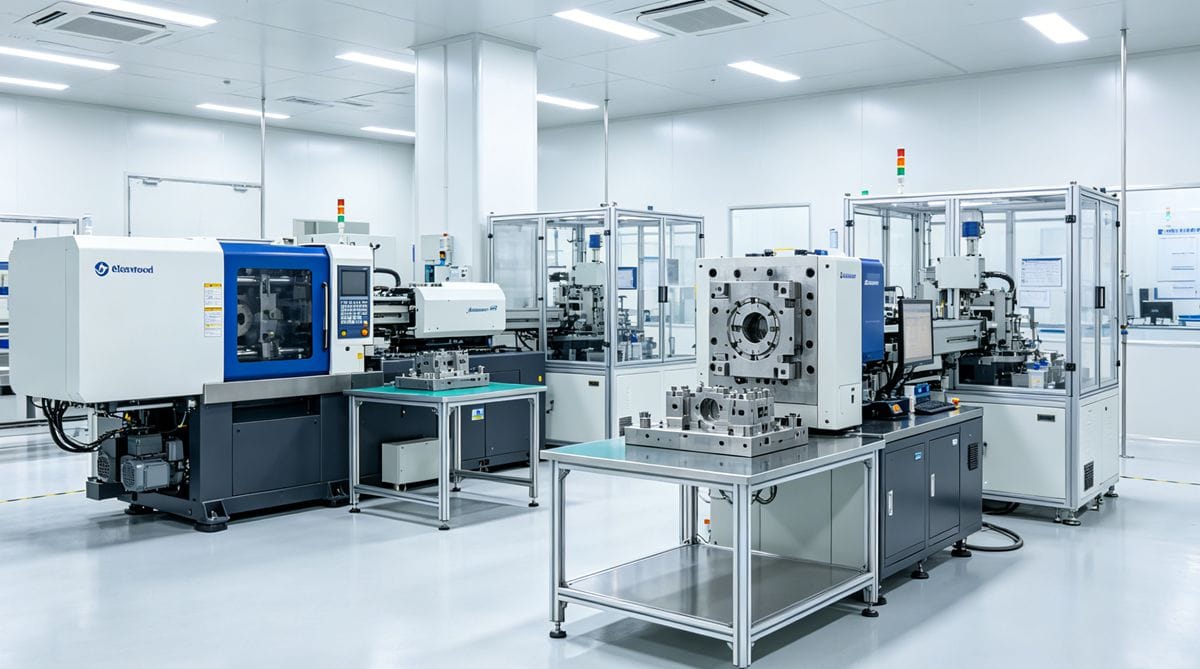
This guide will walk you through everything you need to know about cleanroom standards. We will break down the complex ISO classifications and show you how they apply to your projects. My goal is to help you make informed decisions that protect your product quality and your bottom line. Let's dive in and demystify the world of cleanroom manufacturing together.
Why is cleanroom injection molding the lifeline for medical and high-tech industries?
Your product's success depends on absolute precision. But microscopic dust or fibers can lead to catastrophic failures. This is a constant worry for anyone making medical devices or high-tech electronics.
Cleanroom injection molding is vital because it prevents contamination. For medical devices, this means patient safety. For electronics, it ensures performance and reliability. It's the only way to meet strict regulatory demands and produce parts that function flawlessly.
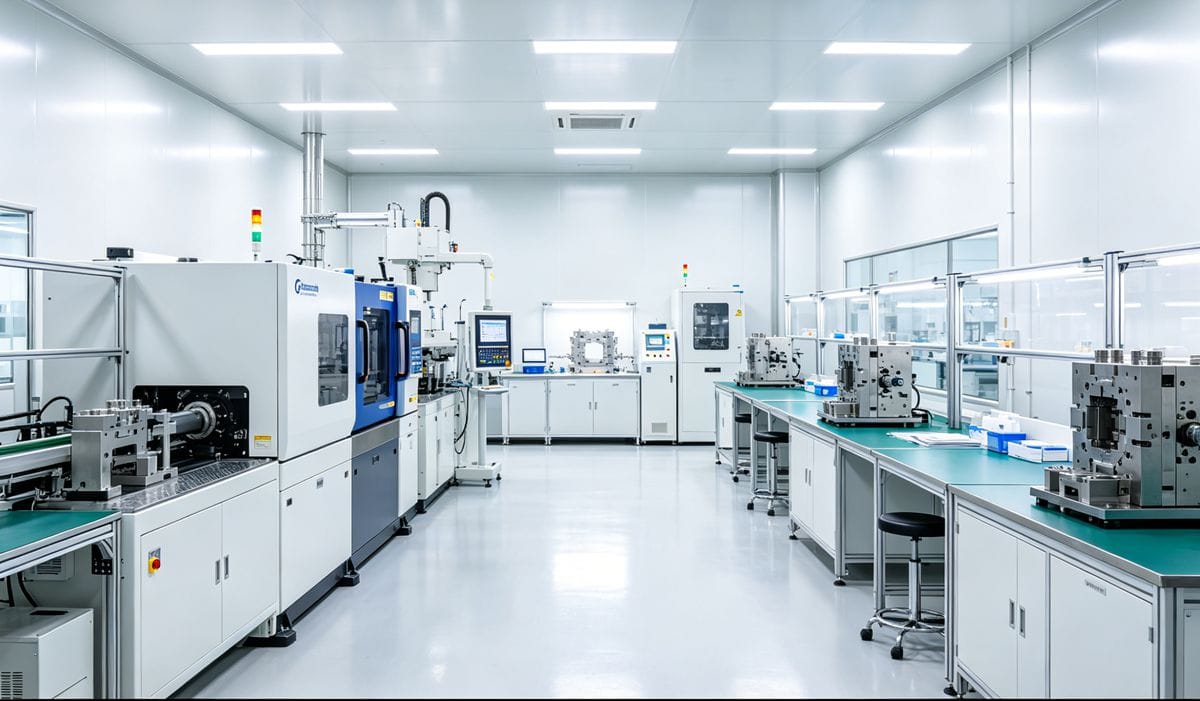
At Ideal Pro, we see our mission of "Sustainable Solutions, Enduring Excellence" as being directly tied to this process. We don't just mold parts; we create the controlled environments necessary for their success. I remember working on a project for a new diagnostic tool. The client's initial prototypes failed due to tiny particles interfering with the optical sensors. Moving production into our certified cleanroom wasn't just a process change; it was the key that unlocked the product's potential. This isn't just about following rules. It's about understanding that for some products, the air itself is a critical manufacturing component. We build long-term partnerships by ensuring this critical component is always perfect, leading to enhanced quality and consistent production for our clients.
What are the ISO 14644-12 cleanroom standards from ISO 5 to ISO 8?
Choosing a manufacturing partner is tough. You hear terms like "ISO 7" or "Class 10,000," but what do they mean? Misunderstanding these standards can lead to choosing the wrong environment, risking product failure or overpaying for unnecessary controls.
ISO 14644-1 defines cleanroom classes based on the maximum number of particles allowed per cubic meter of air. A lower ISO number means a cleaner environment. For example, ISO 5 allows far fewer particles than ISO 8, making it a much stricter standard.
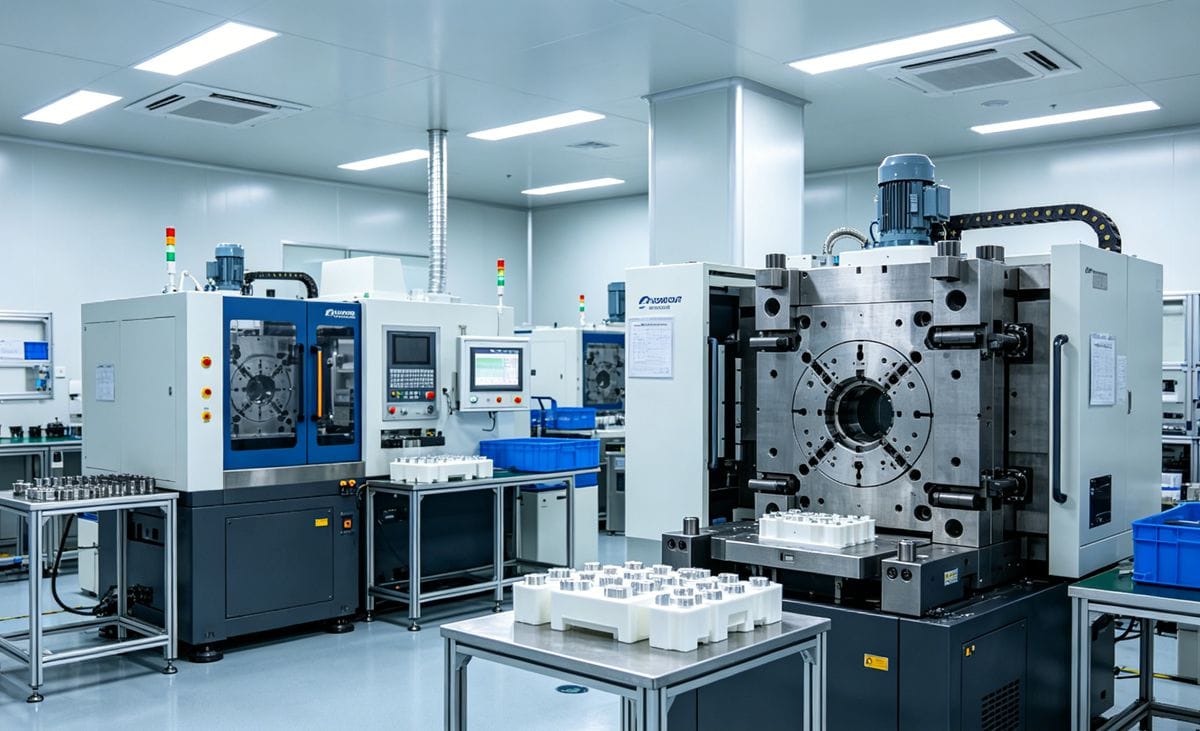
Let's break down the most common classes we use in injection molding. The standard measures particles at different sizes, but for simplicity, we often focus on particles ≥0.5 µm. To give you some perspective, a typical urban environment has over 35,000,000 particles of this size per cubic meter.
ISO Class Comparison
Here is a simple table that shows the maximum allowable particle concentrations3 for each class.
| ISO Class | Maximum Particles/m³ (≥0.5 µm) | Old Federal Standard | Typical Use Case |
|---|---|---|---|
| ISO 5 | 3,520 | Class 100 | Aseptic filling, sterile medical parts |
| ISO 6 | 35,200 | Class 1,000 | High-precision optics, microelectronics |
| ISO 7 | 352,000 | Class 10,000 | Most medical devices, surgical tools |
| ISO 8 | 3,520,000 | Class 100,000 | General medical packaging, assembly |
Understanding this table is key to your product design and development. Choosing the right class is a balance. You need an environment clean enough to guarantee quality and compliance, but not so strict that it inflates costs unnecessarily. We work with clients to find that perfect balance.
What are the 4 key system designs for cleanroom injection molding?
You know you need a cleanroom, but what makes it work? It's easy to think it's just a clean room. But a true cleanroom is a complex system where every element works together to control contamination. If one part fails, the entire environment is compromised.
A successful cleanroom relies on four integrated systems. These are the HVAC and filtration system, the physical room design and material flow, specialized production equipment, and strict personnel protocols. Each one is critical for maintaining the required ISO class.
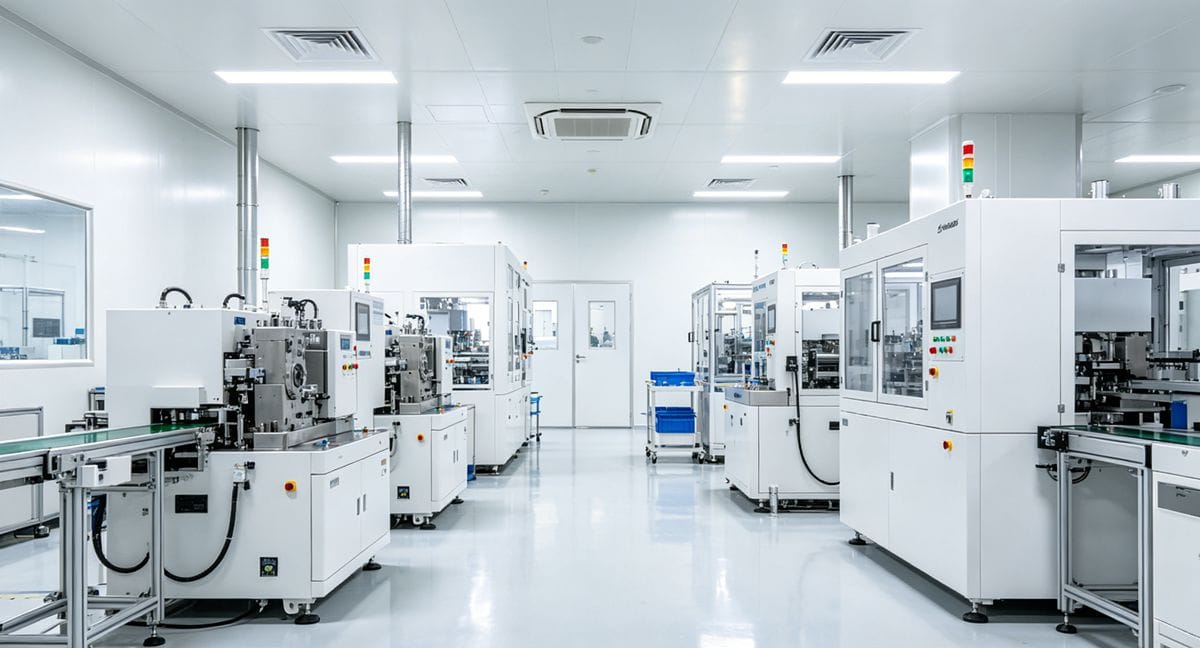
Getting these systems right is where expertise really matters. It's about more than just buying filters; it's about creating a holistic environment. We focus on these four pillars to deliver consistent, high-quality results for every project.
1. HVAC & Filtration System
The heart of any cleanroom is its air handling system. We use High-Efficiency Particulate Air (HEPA) filters, which are rated to remove 99.97% of particles at 0.3 µm. The system creates positive air pressure, meaning air always flows out of the cleanroom when a door opens, preventing contaminated air from entering. The number of air changes per hour (ACPH) is also critical and is much higher than in a normal room.
2. Room Design & Material Flow
The physical layout is designed to prevent contamination. Surfaces are smooth, non-porous, and easy to clean. We use airlocks for both personnel and materials to create a buffer between the cleanroom and the outside environment. The flow of materials is unidirectional, from "dirty" to "clean" areas, to minimize cross-contamination.
3. Specialized Equipment & Automation
Standard hydraulic injection molding machines can be a source of contamination. That's why we often use all-electric machines, which eliminate hydraulic fluids. Automation and robotics are also key. They handle parts, perform assembly, and package products, reducing human contact—the single biggest source of contamination.
4. Gowning & Personnel Protocols
Even with the best technology, people are a variable. Strict protocols are essential. This includes detailed gowning procedures with non-shedding garments like coveralls, hair nets, and booties. Training is continuous, covering everything from how to move within the cleanroom (slowly, to avoid disturbing airflow) to proper cleaning procedures.
Which products must be manufactured in a cleanroom?
Your new product requires high purity. But how do you know if it legally or functionally requires a cleanroom? Making the wrong choice can lead to regulatory rejection, product recalls, or poor performance, all of which are costly mistakes.
Products that must be made in a cleanroom are typically those where particulate contamination could harm a user or compromise the device's function. This includes most medical devices, pharmaceutical packaging, high-precision electronics, optical lenses, and certain food-grade containers.
The need for a cleanroom is determined by the product's end-use and the risks associated with it. If a tiny dust particle could cause a medical implant to be rejected by the body or a sensor to fail, then a cleanroom is not optional—it's essential.
Medical and Healthcare Devices
This is the largest category. Contamination can lead to infections or device failure.
- Implants: Pacemaker components, joint replacements, and surgical meshes require extreme cleanliness (often ISO 5 or ISO 6).
- Surgical Instruments: Single-use scalpels, forceps, and other tools that enter the body must be free of bioburden (typically ISO 7).
- Drug Delivery: Syringe barrels, inhaler components, and IV connectors are critical for patient safety (ISO 7 or ISO 8).
- Diagnostics: Pipette tips, petri dishes, and containers for sample collection need to be pure to ensure accurate test results (ISO 8).
Electronics and Optics
In this field, even a microscopic particle can disrupt a circuit or distort light.
- Semiconductors: Components for microchips are incredibly sensitive to dust.
- Optical Lenses: Camera lenses, sensors, and fiber optics require flawless surfaces (often ISO 6 or ISO 7).
- LED Lighting: Contamination can reduce the lifespan and brightness of high-performance LEDs.
Pharmaceutical and Food Packaging
The container must not contaminate the product it is designed to protect.
- Vials and Closures: Packaging for sterile drugs must be produced in a clean environment (ISO 7 or ISO 8).
- Food-Grade Containers: High-end food and beverage packaging, especially for sensitive products, benefits from cleanroom production to extend shelf life and ensure purity.
How do you choose the right cleanroom class for your project?
You see the need for a cleanroom, but which one? Choosing an ISO class that is too low risks contamination. Choosing one that is too high dramatically increases your costs without adding real value. This decision can directly impact your project's budget and success.
To choose the right cleanroom class, you must analyze your product's end-use, regulatory requirements, and material properties. The key is to match the level of control to the level of risk. A risk-based approach ensures both safety and cost-effectiveness.
This is a conversation we have with our clients every day. It's a core part of our commitment to providing sustainable, long-term solutions. I once had a client developing a new medical device for external use. They initially requested our ISO 6 cleanroom. After reviewing their product design and regulatory pathway, we determined that an ISO 7 environment would meet all FDA requirements and functional needs. By right-sizing the cleanroom class, we helped them reduce production costs significantly, which improved their market competitiveness.
A Practical Decision-Making Guide
Use these questions as a starting point to determine your needs:
What is the product's end-use?
- Does it come into contact with sterile tissue or the bloodstream (e.g., surgical implant)? This points toward a higher class like ISO 5 or ISO 6.
- Is it used for diagnostics or drug delivery (e.g., syringe)? This often requires ISO 7.
- Is it secondary packaging or a non-critical component (e.g., a cap for a bottle)? ISO 8 may be sufficient.
What are the regulatory requirements?
- Check FDA, EMA, or other relevant guidelines for your product type. They often specify minimum environmental controls. For example, medical device manufacturing often falls under GMP, which requires controlled environments.
How sensitive is the product itself?
- Are you molding optical parts where a single speck of dust can ruin the component? This requires a higher class.
- Does the material you are using attract dust due to static electricity? This might also push you toward a cleaner environment.
| Product Risk Level | Example Product | Typical ISO Class | Key Consideration |
|---|---|---|---|
| High Risk | Surgical implants, aseptic fluid paths | ISO 5 / ISO 6 | Direct contact with sterile body areas. |
| Medium Risk | Most single-use medical devices, diagnostics | ISO 7 | Contact with skin, mucous membranes, or non-sterile fluids. |
| Low Risk | General medical packaging, assembly housings | ISO 8 | No direct patient contact, but cleanliness is still important. |
How do FDA, GMP, and ISO 13485 relate to cleanroom molding?
Navigating the world of regulations is confusing. You hear about FDA approval, GMP, and ISO 13485, but how do they connect to the cleanroom's ISO class? It's a common point of confusion that can delay product launches if not understood correctly.
Think of it like this: GMP and ISO 13485 are the rulebooks, and a certified cleanroom is a critical tool you use to follow those rules. The FDA is the referee that ensures you are playing by the rules for medical devices sold in the US.
These frameworks are not interchangeable; they build on each other to create a system of total quality control. A manufacturer cannot simply have a nice cleanroom and claim compliance. They must have a robust quality system that integrates the cleanroom environment into its processes. This is fundamental to our mission of delivering enduring excellence. We don't just provide a clean space; we provide a fully compliant manufacturing ecosystem.
Breaking Down the Acronyms
Let's clarify what each term means and how it connects to the physical cleanroom.
FDA (U.S. Food and Drug Administration): This is a US government agency. For medical devices, they don't "approve" a manufacturing facility itself. Instead, they require manufacturers to follow specific regulations to ensure products are safe and effective. One of these regulations is the Quality System Regulation (QSR), which is based on GMP.
GMP (Good Manufacturing Practices): These are the actual practices and systems required to produce safe products. For medical devices, this is often referred to as cGMP (current Good Manufacturing Practices). GMP requires manufacturers to control their environment to prevent contamination. This is where the ISO 14644-1 cleanroom standards come into play. An ISO 7 cleanroom is a way to meet the environmental control requirements of GMP.
ISO 134854: This is an international standard for a Quality Management System (QMS) specifically for the medical device industry. Being certified to ISO 13485 demonstrates that a manufacturer has a comprehensive system for design, development, production, and delivery. A key part of this QMS is risk management and process validation, which includes validating and maintaining the cleanroom environment.
In short, you use an ISO 14644-12 certified cleanroom to help you comply with GMP, which is a requirement of the FDA, all managed under the umbrella of an ISO 13485 quality system.
What are the most frequently asked questions about cleanroom standards?
You still have questions, and that's normal. The details of cleanroom manufacturing can be complex. Many of our potential clients come to us with similar concerns about cost, validation, and what's really necessary. Getting clear answers is key to moving forward confidently.
The most common questions revolve around the cost difference, the validation process, and the distinction between a "cleanroom" and a "white room." Understanding these points helps clarify the investment and requirements for your project.
Answering these questions is part of our commitment to building lasting partnerships. We believe in transparency because it leads to better decisions and, ultimately, better products. Here are the answers to the questions we hear most often.
1. How much more does cleanroom molding cost?
This is the big question. Yes, cleanroom molding is more expensive than standard molding. The increased cost comes from several factors:
- Construction & Maintenance: Building and maintaining a certified cleanroom is a significant capital investment. The HVAC systems run 24/7 and HEPA filters require regular replacement.
- Operational Costs: Gowning supplies, specialized cleaning agents, and continuous environmental monitoring (particle counting) add to the operational expenses.
- Slower Cycles: In some cases, automation and quality checks within the cleanroom can lead to slightly slower cycle times compared to open-air molding. The cost premium can range from 25% to over 100% depending on the ISO class and the complexity of the project. However, for the products that require it, this is not an optional expense—it's the cost of ensuring safety and quality.
2. What does "cleanroom validation" involve?
A cleanroom isn't certified just once. It must be regularly validated to prove it's performing to standard. Validation, or certification, is a formal process performed by a third party. They test several parameters:
- Airborne Particle Count: This is the core test to confirm the ISO class.
- Airflow and Air Pressure: Verifying that the pressure differentials and air change rates are correct.
- HEPA Filter Integrity: A leak test to ensure filters are not damaged. This process is typically done annually, with more frequent internal monitoring to ensure ongoing compliance.
3. What's the difference between a "cleanroom" and a "white room"?
These terms are sometimes used interchangeably, but they are not the same.
- Cleanroom: A certified space that meets a specific ISO 14644-1 classification. It has controlled and monitored levels of airborne particles, pressure, temperature, and humidity.
- White Room: This is more of a general term for a manufacturing area that is clean, but not necessarily certified to an ISO standard. It might have some environmental controls like epoxy floors and clean surfaces, but it lacks the rigorous air filtration, pressure control, and monitoring of a true cleanroom. For non-critical assembly, a white room might be enough, but for regulated medical or high-tech parts, you need a certified cleanroom.
Conclusion
Choosing the right cleanroom standard is a critical step. It ensures product safety, meets regulations, and protects your investment. We hope this guide has made these complex standards clear and actionable for you.
Explore how cleanroom injection molding ensures product purity and performance in sensitive industries. ↩
Learn about ISO 14644-1 and its role in defining cleanroom classifications for various industries. ↩
Understand the significance of particle concentrations in maintaining cleanroom standards. ↩
Learn about ISO 13485 and its importance in ensuring quality management in medical device manufacturing. ↩

 English
 French
 Dutch
Dutch German
 Japanese
 Korean