The first paragraph, which uses PAS formula to grab the reader's attention (max 30 words). Injection molding with PSU products presents unique challenges. Understanding these challenges is essential for ensuring high-quality, durable items that meet industry standards.
second paragraph at the beginning, answering the question posed by the title, this paragraph must be HELPFUL to the reader and will be used later to compete for Google's Featured Snippets. (max 50 words) When injection molding PSU products made of polyurethane, consider factors like processing conditions, equipment requirements, product and mold design, process parameters, and critical post-processing steps to prevent issues and enhance product quality.
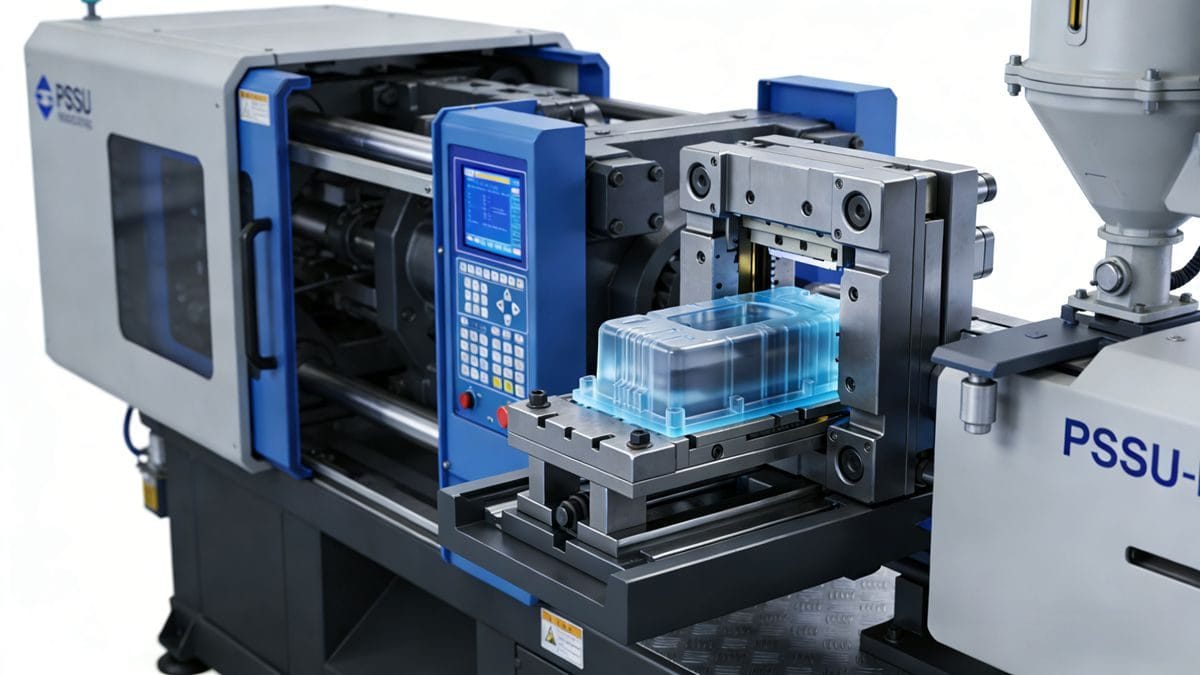
Transition Paragraph: These considerations may seem overwhelming, but don't let them discourage you. By focusing on the right practices and keeping these key points in mind, you can achieve successful outcomes in your injection molding projects.
What are the specific processing characteristics of PSU?
The first paragraph, which uses the PAS strategy to grab the reader's attention (max 30 words). Understanding the processing characteristics of PSU is crucial for effective injection molding. Failure to grasp these factors can lead to product defects and costly errors.
The second paragraph, which answers the question posed by the headline, is the paragraph that will be used later to compete for Google's Featured Snippets. (max 50 words) PSU is a non-crystalline polymer with no clear melting point, exhibiting high thermal stability and a glass transition temperature (Tg) of 190°C. This influences the molding temperature, which should exceed 280°C for optimal outcomes.

Dive deeper Paragraph: The unique characteristics of PSU, such as its amorphous nature, require stringent control during the injection molding process. Let’s break down its key aspects:
- Thermal Stability: With a Tg of 190°C, PSU remains stable at high temperatures but must be processed at temperatures above 280°C to maintain quality.
- Viscosity Sensitivity: Its viscosity is highly sensitive to temperature changes. For example, exceeding 330°C can dramatically reduce its viscosity by 50% with every additional 30°C rise. This sensitivity necessitates careful temperature management during processing.
- Flow Characteristics: PSU’s flow is akin to Newtonian fluids, but the high viscosity can lead to challenges in mold filling. As a result, maintaining appropriate injection speeds is crucial to avoid defects such as melt fracture, which limits mold filling efficiency.
- Moisture Sensitivity: Although PSU exhibits low water absorption, even slight moisture can degrade the material during processing. Therefore, proper drying of PSU before molding is essential to prevent degradation.
- Cooling Rates: Due to its rigid molecular structure, PSU has a quick cooling rate, leading to internal stresses if not managed properly during the molding process.
By understanding these characteristics, we can optimize our molding processes and mitigate potential challenges in production.
What are the requirements for injection molding PSU?
The first paragraph, which uses the PAS strategy to grab the reader's attention (max 30 words). Choosing the right equipment and settings is essential for successful PSU injection molding. Ignoring these requirements can lead to subpar products and inefficient production.
The second paragraph, which answers the question posed by the headline, is the paragraph that will be used later to compete for Google's Featured Snippets. (max 50 words) To process PSU effectively, select precise, wear-resistant screw and barrel assemblies, typically with a single, fully threaded design. This will ensure optimal melting and uniform material flow during the injection process, which is critical for quality production.
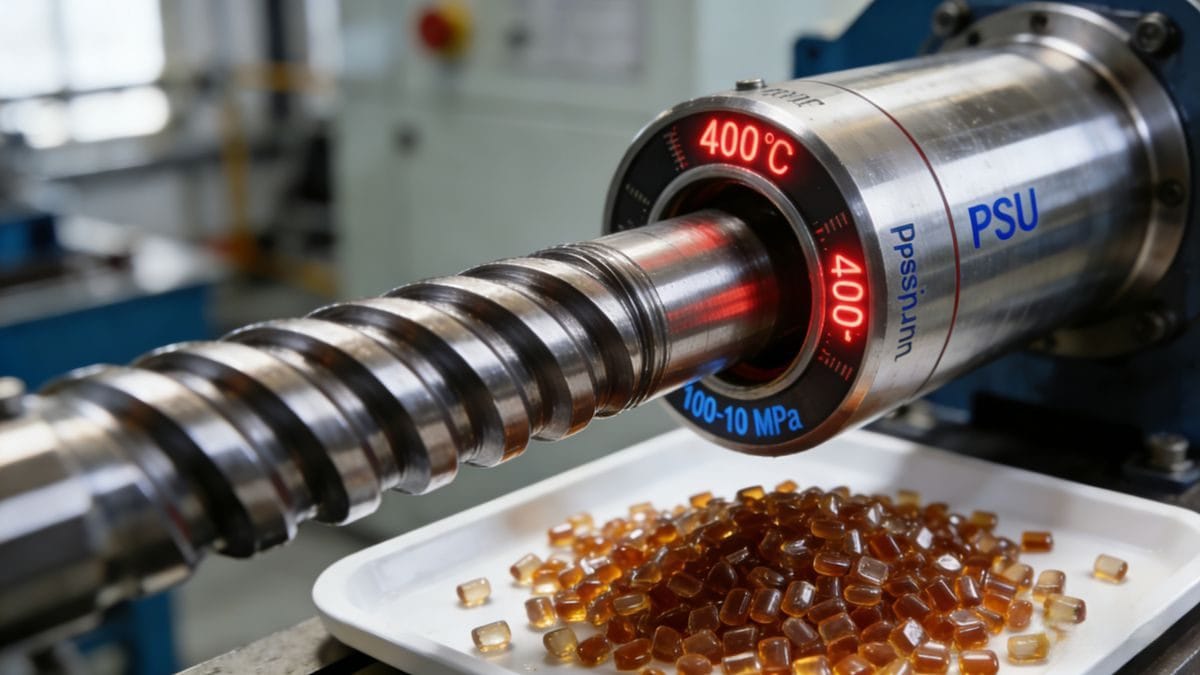
Dive deeper Paragraph: When selecting equipment for PSU injection molding, several factors must be taken into account to ensure smooth operation and high-quality products:
Screw Design: A single screw with a fully threaded configuration and a low compression ratio (14-20:1) is ideal for processing PSU. This setup helps manage the high viscosity characteristic of the material.
Temperature Control: Equipment should allow for precise temperature control, particularly in the barrel, which should reach around 400°C to achieve the necessary melt quality and flow characteristics.
Injection Pressure: Due to the high viscosity of PSU, injection pressures typically exceed 100 MPa and can reach up to 140 MPa. Adequately high pressure ensures that the material fills the mold completely and uniformly.
Injection Speed: While higher injection speeds may seem advantageous, they can lead to melt fracture in PSU. A slower speed is often more effective, particularly for thicker-walled parts.
Cooling System: A robust cooling system is critical as PSU requires a specific cooling rate to minimize distortion and internal stress in the molded parts.
By focusing on these requirements, manufacturers can enhance the efficiency and effectiveness of their moldings while achieving high-quality products.
What are the key design considerations for PSU products and molds?
The first paragraph, which uses the PAS strategy to grab the reader's attention (max 30 words). Designing molds and products for PSU requires careful consideration. Ignoring these guidelines can result in defects and increased production costs due to rework and waste.
The second paragraph, which answers the question posed by the headline, is the paragraph that will be used later to compete for Google's Featured Snippets. (max 50 words) Key design considerations for PSU products include ensuring proper wall thickness (minimum 1.5 mm), incorporating rounded edges to reduce stress concentrations, and maintaining a smooth mold surface finish to improve product quality and minimize defects during production.

Dive deeper Paragraph: The design of molds and PSU products is vital in ensuring successful molding outcomes. Here are some critical elements to consider:
Wall Thickness: Given the poor flow characteristics of PSU, wall thickness should not be less than 1.5 mm, with most designs favoring thicknesses over 2 mm. This thickness helps mitigate the risk of flow-related defects.
Corner Radius: Sharp corners and angles can introduce stress concentrators in the mold, leading to weaknesses in the final product. Therefore, using rounded transitions is essential for maintaining material integrity.
Draft Angles: A draft angle of 3° to 5° is recommended for easy removal of parts from the mold, minimizing the risk of damage.
Mold Flow Channels: Design channels should be short and wide, with a diameter of at least half the thickness of the part. This ensures that the melt flows easily and fills the mold efficiently while reducing the risk of freeze-off.
Surface Finish: A smoother mold surface (Ra 0.4 or better) is essential for achieving a bright, polished finish on the final product while promoting better material flow.
By taking these design factors into account, manufacturers can better ensure that their PSU products meet both performance standards and aesthetic requirements.
Conclusion
Injection molding PSU products requires careful attention to processing conditions, equipment, and design considerations to achieve high-quality results.