

The injection molding process can be daunting. Many factors come into play. Understanding these elements can make or break your project.
The four primary elements that influence injection molding are temperature, pressure, material, and time. Mastering these factors is essential for successful molding processes.

To truly grasp injection molding, we need to dive deeper into each of these elements. They are interconnected and can impact the quality of your final product. Let's explore how these elements work together and why they matter.
How Does Temperature Affect Injection Molding?
Temperature plays a critical role in the injection molding process. It influences material behavior and overall product quality. If the temperature is too high, it can cause excessive melting, leading to defects. Conversely, if it’s too low, the material may not flow properly into the mold.
Temperature affects not only the viscosity of the material but also the cooling rate. Proper temperature management ensures a smooth flow of material and reduces the chances of defects.
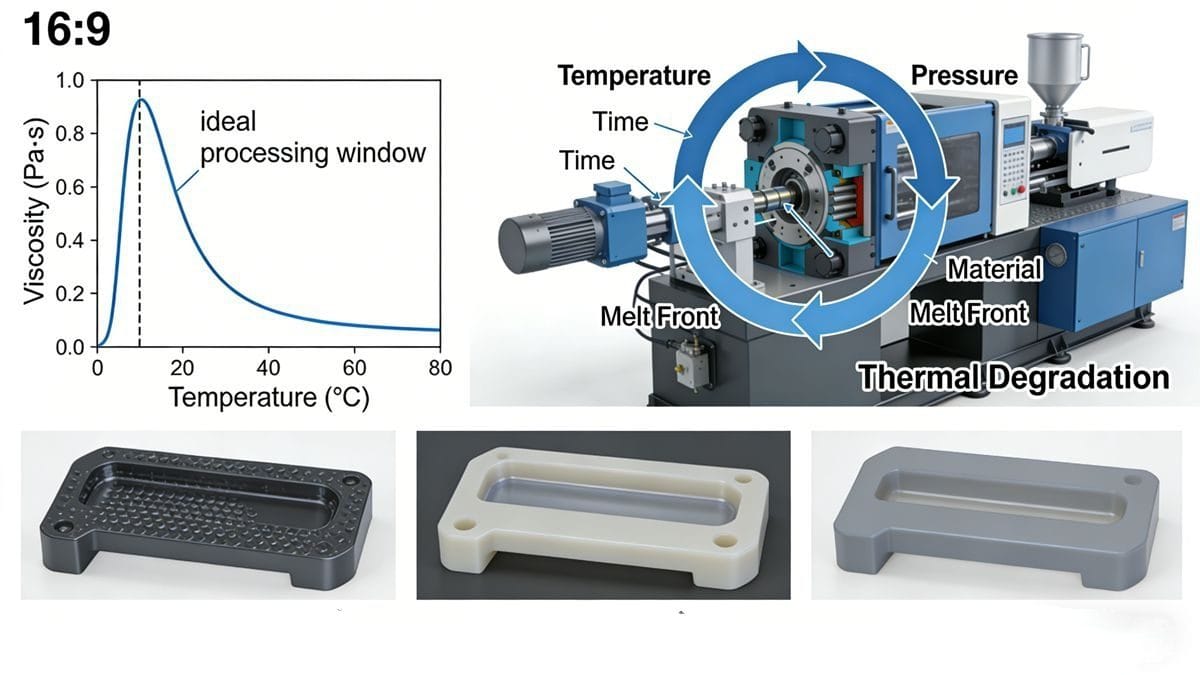
Maintaining the right temperature is crucial. Materials have specific melting points. For example, thermoplastics need to be heated just enough to melt but not so much that they degrade. The control of temperature can influence cycle times and the mechanical properties of the finished product.
In practice, I have seen how slight temperature adjustments can lead to significant improvements. During one project, we faced issues with warping. After adjusting the temperature settings, we saw drastic improvements in the final product's quality. This experience taught me that temperature control is not just about following guidelines; it requires a keen understanding of the materials involved.
What Role Does Pressure Play in the Process?
Pressure is another key element. It helps to ensure that the molten material fills the mold completely. Insufficient pressure can lead to incomplete filling, while excessive pressure can cause flash or other defects.
Proper pressure management ensures that the material fills every corner of the mold evenly and maintains the desired shape. It is vital for achieving consistency in production.
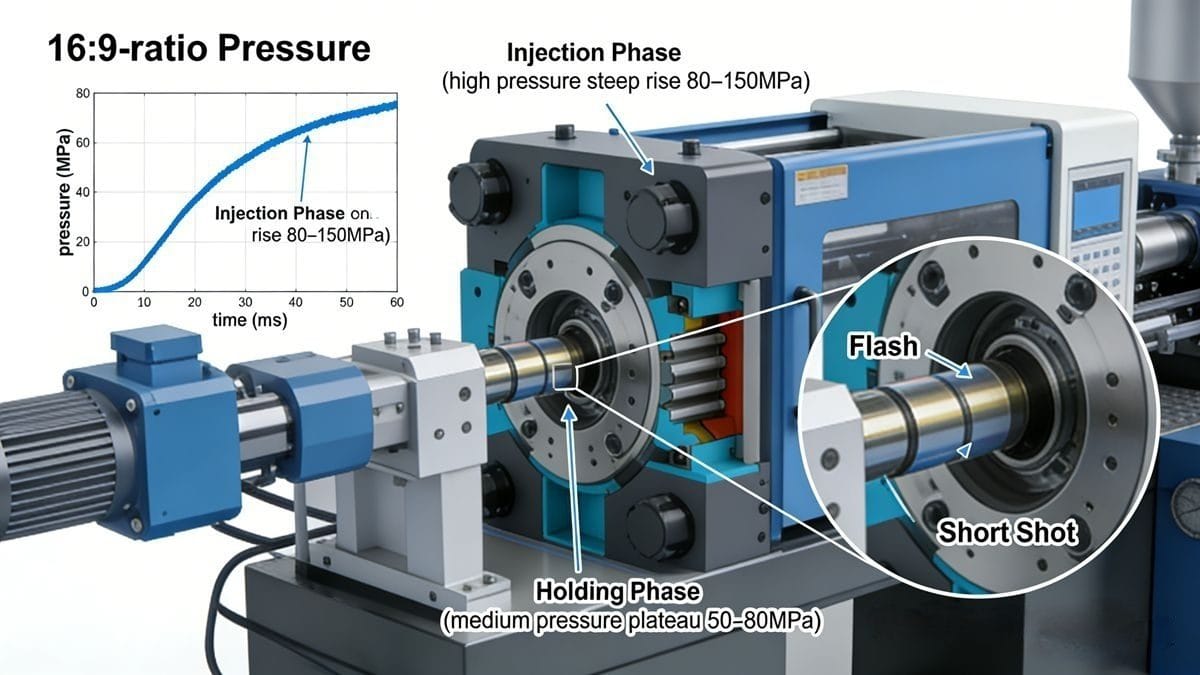
Different parts of the injection molding process require different pressure levels. For instance, the injection phase demands high pressure to force the material into the mold quickly. On the other hand, the holding phase might need lower pressure to ensure that the material solidifies correctly without defects.
In my experience, understanding pressure requirements for different materials has been essential. For example, while working with a high-viscosity polymer, adjusting the pressure settings helped achieve better flow rates and improved fill times. This not only reduced cycle times but also enhanced the overall quality of the products we delivered.
How Does Material Selection Impact the Process?
Material selection is pivotal in the injection molding process. The type of material you choose directly affects temperature, pressure, and the overall quality of your product. Different materials have unique properties, such as melting points, flow rates, and cooling times.
Choosing the right material is crucial for achieving desired properties and ensuring that the entire injection molding process runs smoothly.
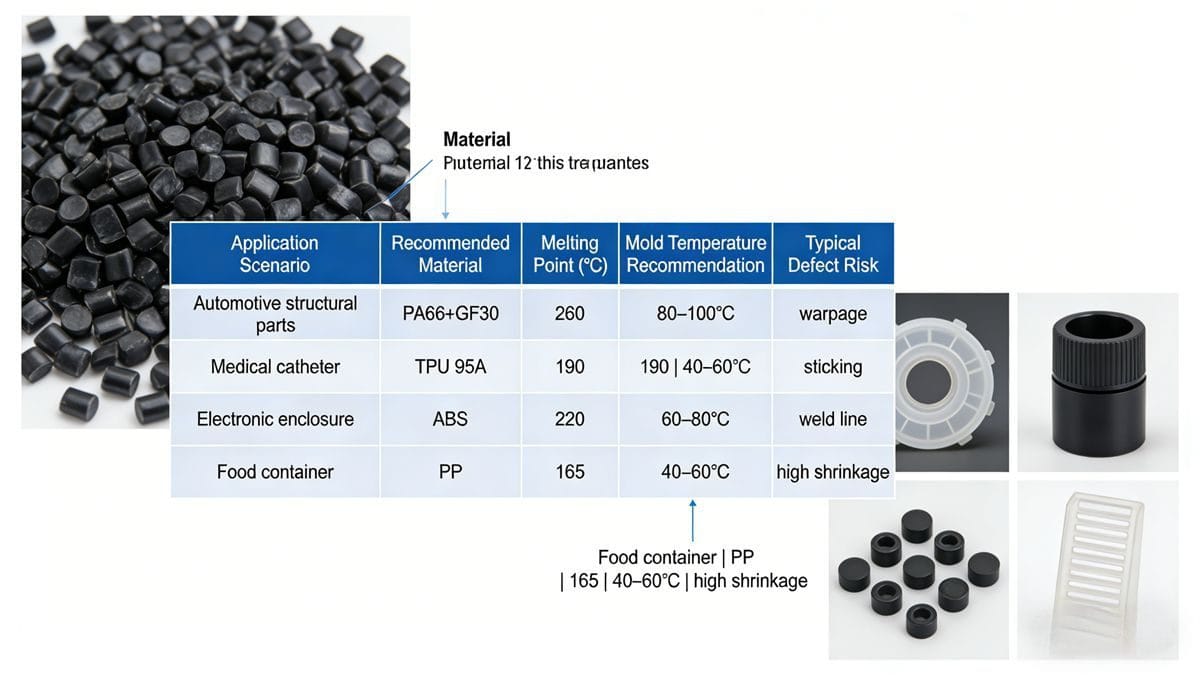
I have learned that the choice of material must align with the intended application of the final product. For instance, using a high-strength polymer for a load-bearing component can lead to better performance and durability. On the other hand, using an inappropriate material can result in failure during usage.
In one project, I decided to switch materials based on client feedback. The previous material was too brittle for their requirements. After researching options, we selected a more flexible polymer. The result was a significant improvement in product performance, highlighting how material choice can be the difference between success and failure.
Why is Timing Important in Injection Molding?
Finally, timing cannot be overlooked in the injection molding process. The timing of each phase—heating, injection, holding, and cooling—affects the quality and efficiency of production.
Proper timing ensures optimal material flow and cooling, ultimately leading to better dimensional accuracy and surface quality of the final product.
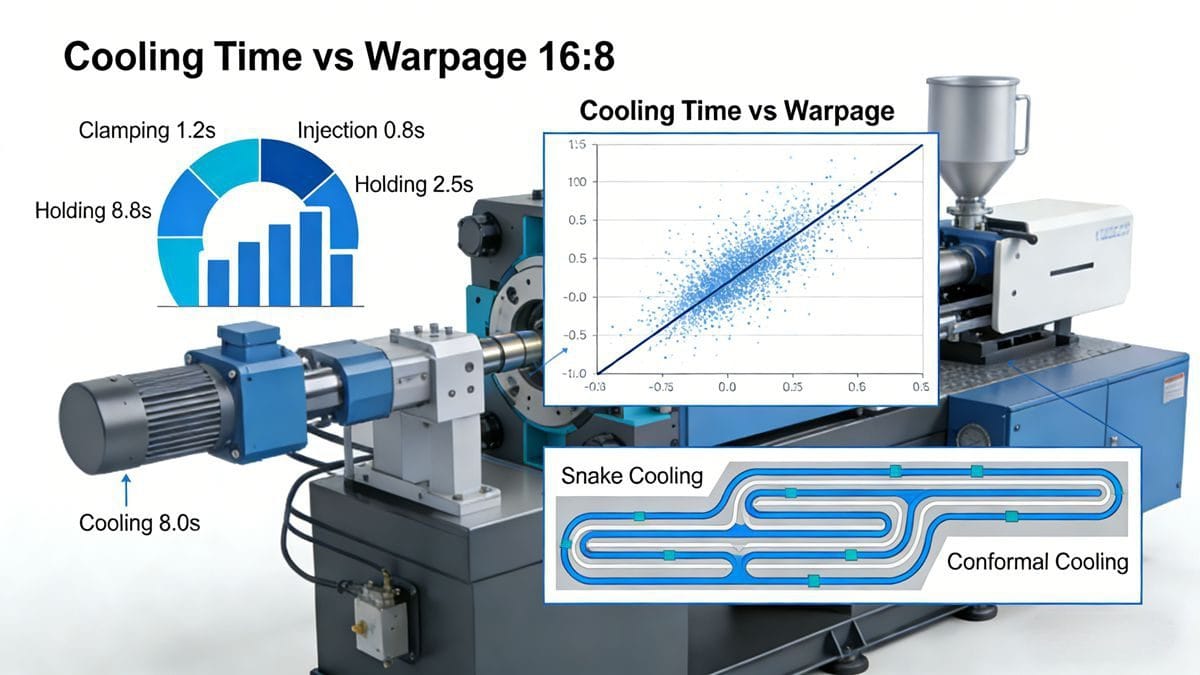
In my experience, timing has to be carefully coordinated with the other elements. For example, the cooling time must be sufficient for the material to solidify but not so long that it delays production. We often conduct time studies to optimize the process and ensure that every second counts.
During a recent project, we experienced delays due to extended cooling times. By analyzing the cycle and adjusting the cooling process, we managed to reduce the time significantly. This not only saved costs but also improved our delivery schedule.
Conclusion
Understanding the four primary elements—temperature, pressure, material, and timing—can enhance the injection molding process and improve product quality.

 English
 French
 Dutch
Dutch German
 Japanese
 Korean