

소개
Material selection is a critical step in the two-color mold manufacturing process. To ensure optimal performance and longevity, materials must satisfy three core principles: wear resistance, strength and toughness, 및 economic feasibility. This guide explores the six key performance requirements for two-color mold materials, providing insights for engineers and manufacturers aiming to enhance mold durability and efficiency.
1. Wear Resistance
Why it matters:
During plastic deformation, the mold cavity surface experiences intense friction due to the flow and sliding of the raw material. This leads to wear-induced failure.
Key factors:
- Hardness: Higher hardness correlates with reduced wear and improved resistance.
- Carbide characteristics: The type, quantity, morphology, size, and distribution of carbides in the material significantly influence wear resistance.
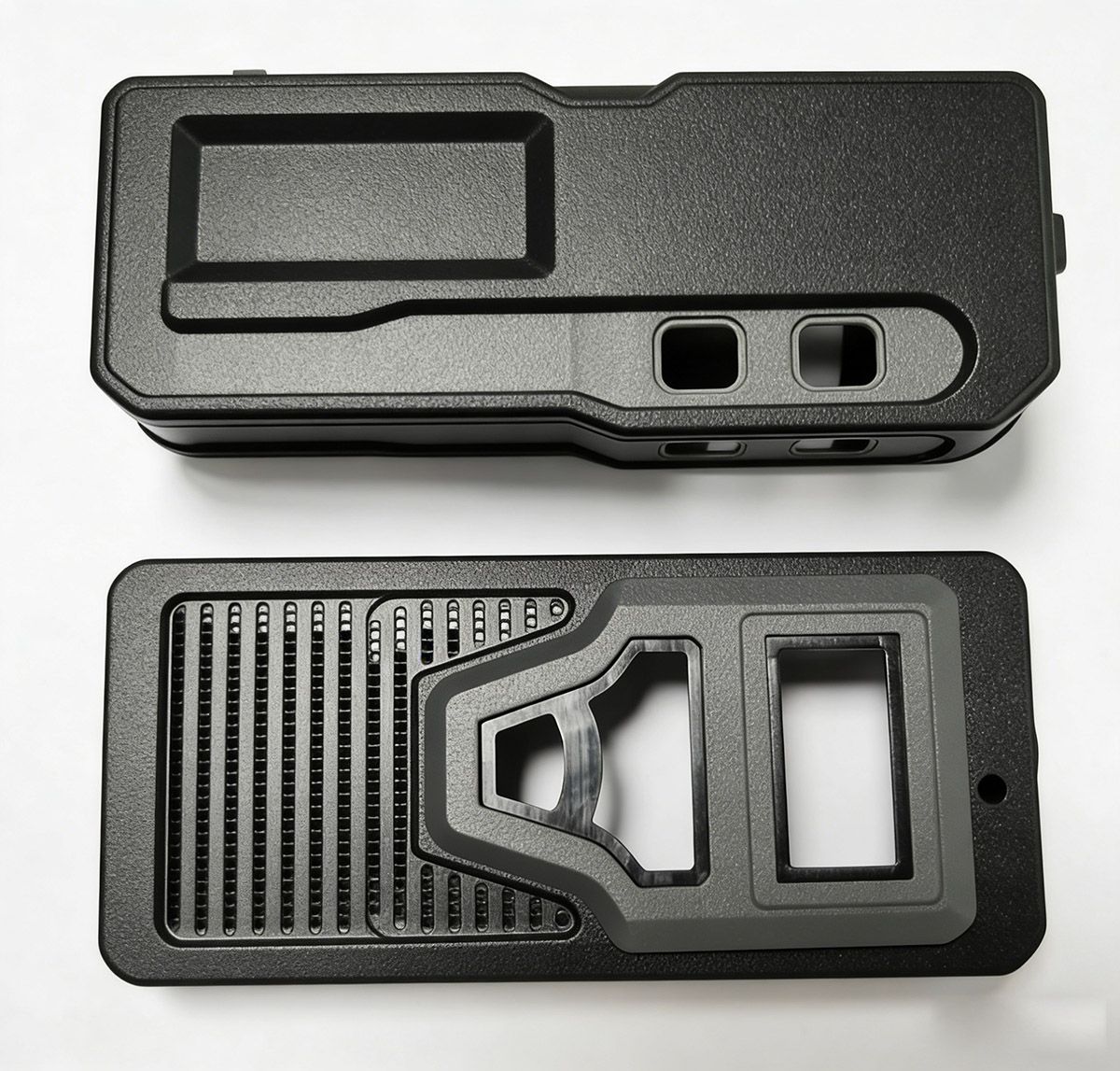
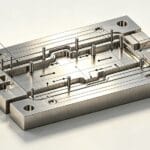
Figure 1: Hardness and carbide distribution are critical for wear resistance.
2. Strength and Toughness
Why it matters:
Two-color molds often operate under harsh conditions, including high impact loads that can cause brittle fracture.
Key factors:
- Carbon content, grain size, 및 microstructure determine toughness.
- Balanced strength and toughness1 prevent sudden failures during operation.
3. Fatigue Fracture Resistance
Why it matters:
Cyclic stress during operation can lead to fatigue fractures, including:
- Low-energy multiple impact fatigue
- Tensile, contact, and bending fatigue
Key factors:
- 재료 strength, toughness, hardness, 및 inclusion content dictate fatigue performance.
4. High-Temperature Performance
Why it matters:
Elevated working temperatures reduce hardness and strength, causing premature wear or plastic deformation.
솔루션:
Materials must exhibit high tempering stability to maintain hardness and strength at operating temperatures.
5. Thermal Fatigue Resistance
Why it matters:
Repeated heating and cooling cycles induce tensile/compressive stresses, leading to surface cracking, spalling, and dimensional inaccuracies.
솔루션:
Materials must resist thermal fatigue, a primary failure mode for hot-work molds.
6. Corrosion Resistance
Why it matters:
Plastics containing chlorine or fluorine release corrosive gases (e.g., HCl, HF) when heated, eroding the mold cavity and accelerating wear.
솔루션:
Select materials with superior corrosion resistance for such applications.
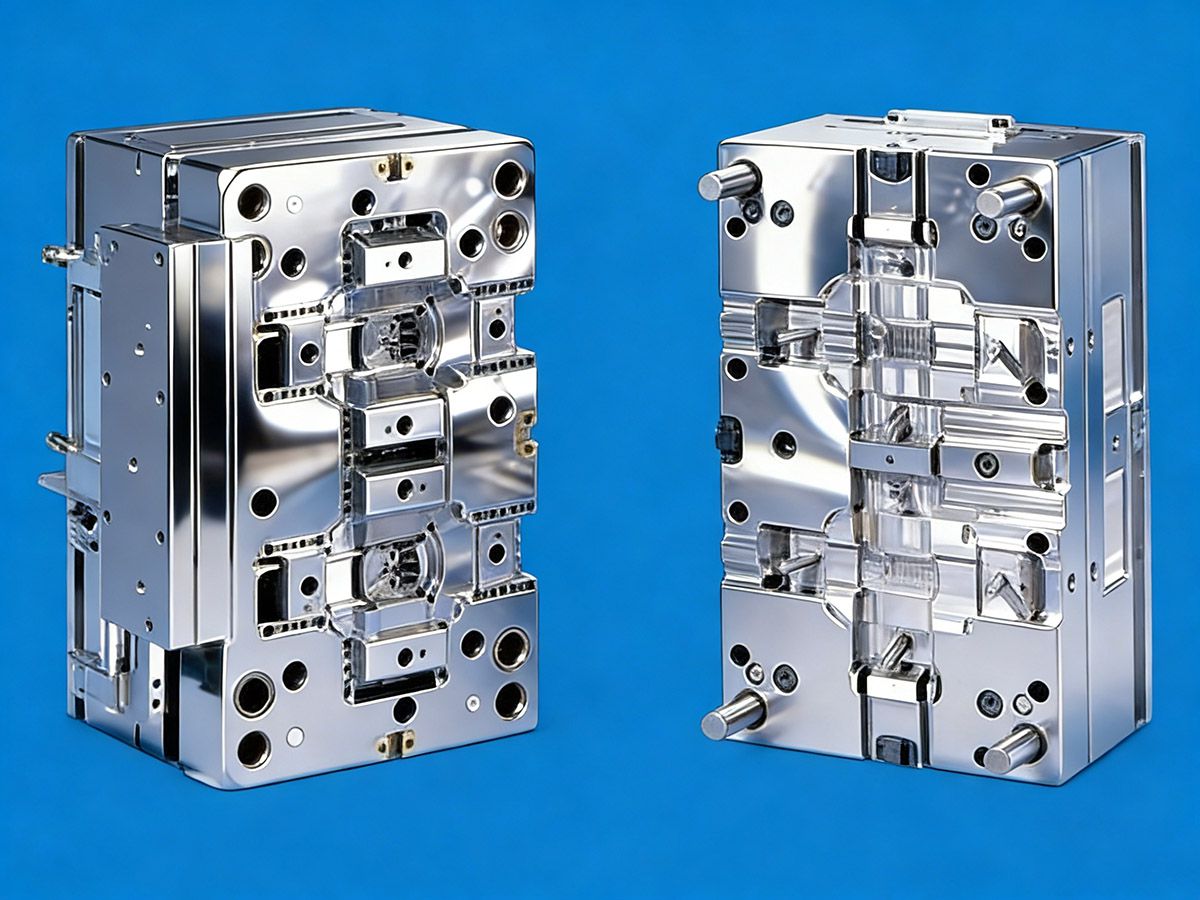
Figure 6: Corrosion-resistant materials mitigate chemical degradation.
결론
Selecting the right material for two-color molds requires balancing wear resistance, mechanical robustness, thermal stability, 및 corrosion resistance2. By prioritizing these six criteria, manufacturers can extend mold life, reduce downtime, and improve product quality. These principles also apply broadly to injection mold material selection.
 English
 French
 Dutch
Dutch German
 Japanese
 Korean