

Overview
Water leakage in the cooling system is one of the most common and troublesome issues in injection molding production1. A leaking mold not only reduces cooling efficiency and extends cycle time but also affects dimensional stability and surface quality of molded parts. In severe cases, it can lead to electrical hazards, mold corrosion, and unexpected downtime.
This article summarizes the 5 main causes of injection mold water leakage and provides practical, professional solutions for on-site maintenance and repair, helping you quickly diagnose and solve cooling system problems.
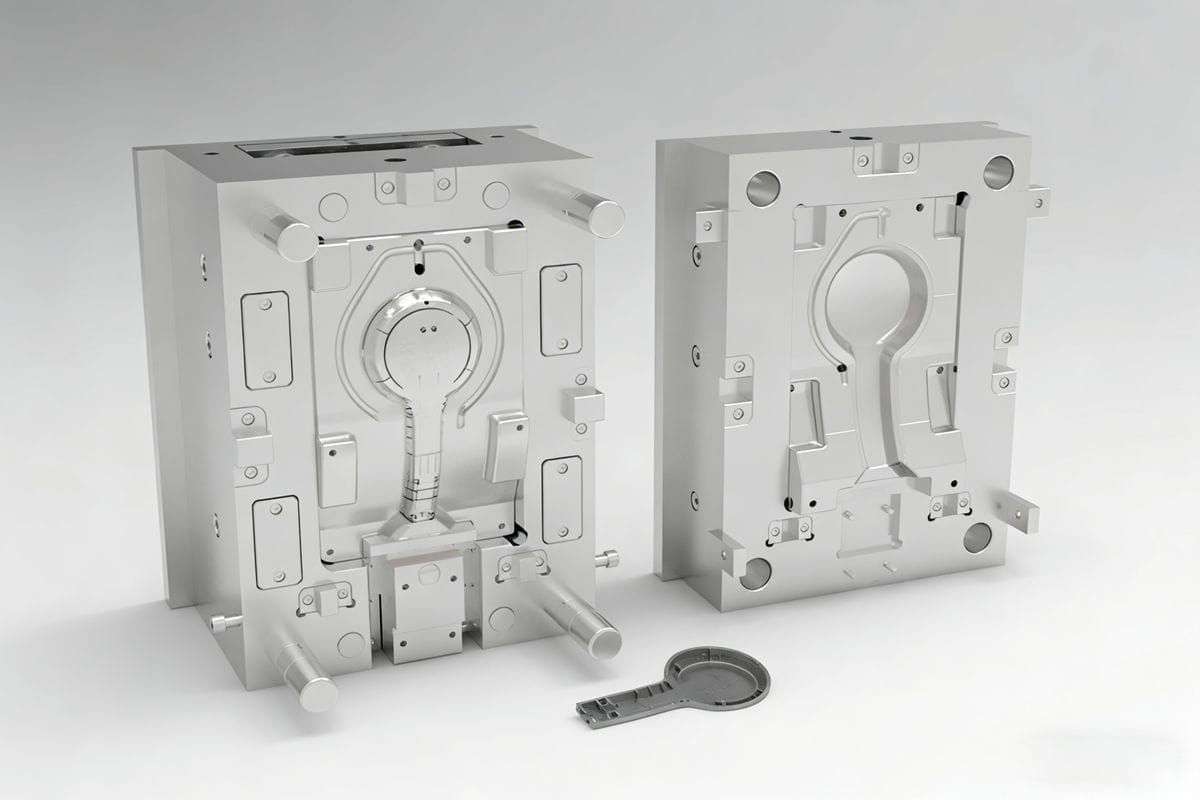
Leakage at Cooling Water Pipe Joints
The most common location for water leakage is the cooling water pipe joints.
- If leakage occurs, wrap sealing tape around the threaded area before reinstalling and tightening the fitting.
- Ensure the connector is fully engaged and properly torqued to eliminate gaps caused by loose or misaligned threads.
Worn or Damaged O‑Ring Seals
After long‑term production, O‑ring rubber seals2 tend to harden, crack, or deform, resulting in seal failure.
- Improper installation can also cause leakage even with new seals.
- Solution: Regularly inspect seal condition, seating position, and elasticity. Replace damaged or aged O‑rings immediately.
Damaged Cooling Channel Walls
This issue often appears in new molds. Even with adequate designed wall thickness, machining errors or secondary processing can penetrate the cooling channel wall.
- In most cases, a damaged water channel is no longer usable and must be safely plugged or reworked.
Cooling Channel Maintenance and Descaling
Cooling channels easily accumulate scale and rust, which block water flow and reduce heat transfer.
- For straight channels: Use a steel rod approximately 0.5 mm smaller than the channel diameter to remove scale and rust by gentle tapping.
- For embedded cooling lines: Disassemble the mold for thorough cleaning.
Leakage Test After Maintenance: Use a hand pressure pump to pressurize the cooling circuit to 2 MPa and hold for 5 minutes. If pressure remains stable, the system is sealed properly. Leak points can be sealed using elastic materials such as rubber or cork via mechanical compression. Room‑temperature curing silicone is also a reliable option.
Maintenance of Heating Channels and Vacuum Pump Systems
Heating channels provide effective heat transfer, especially for cooling slender, deep cores. Installing unidirectional heating channels in high‑flow areas helps reduce leakage risks. In addition, using a vacuum pump to draw cooling water can further prevent unintended leakage.
Conclusion
Mold cooling system leakage is mostly preventable with regular inspection and proper maintenance3. By focusing on pipe joints, O‑ring seals, cooling channel integrity, descaling, and pressure testing, you can greatly reduce downtime and maintain stable production.
Timely maintenance not only fixes existing leaks but also extends mold life, improves cooling efficiency, and ensures consistent part quality.
Explore this resource to discover effective strategies that enhance efficiency and quality in injection molding production. ↩
Learn how to properly maintain O-ring rubber seals to prevent leaks and ensure the longevity of your molds. ↩
Explore the importance of regular inspection and maintenance in injection molding to prevent leaks and ensure quality. ↩
 English
 French
 Dutch
Dutch German