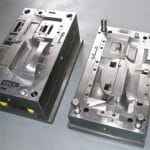
Transparent plastic parts require strict surface quality standards. Any imperfections like streaks, bubbles, or discoloration can ruin the final product. Therefore, attention to detail in the injection molding process is crucial.
When forming transparent injection molded parts, be aware of the raw material preparation, equipment and mold requirements, injection process, and product handling to ensure high transparency and quality.
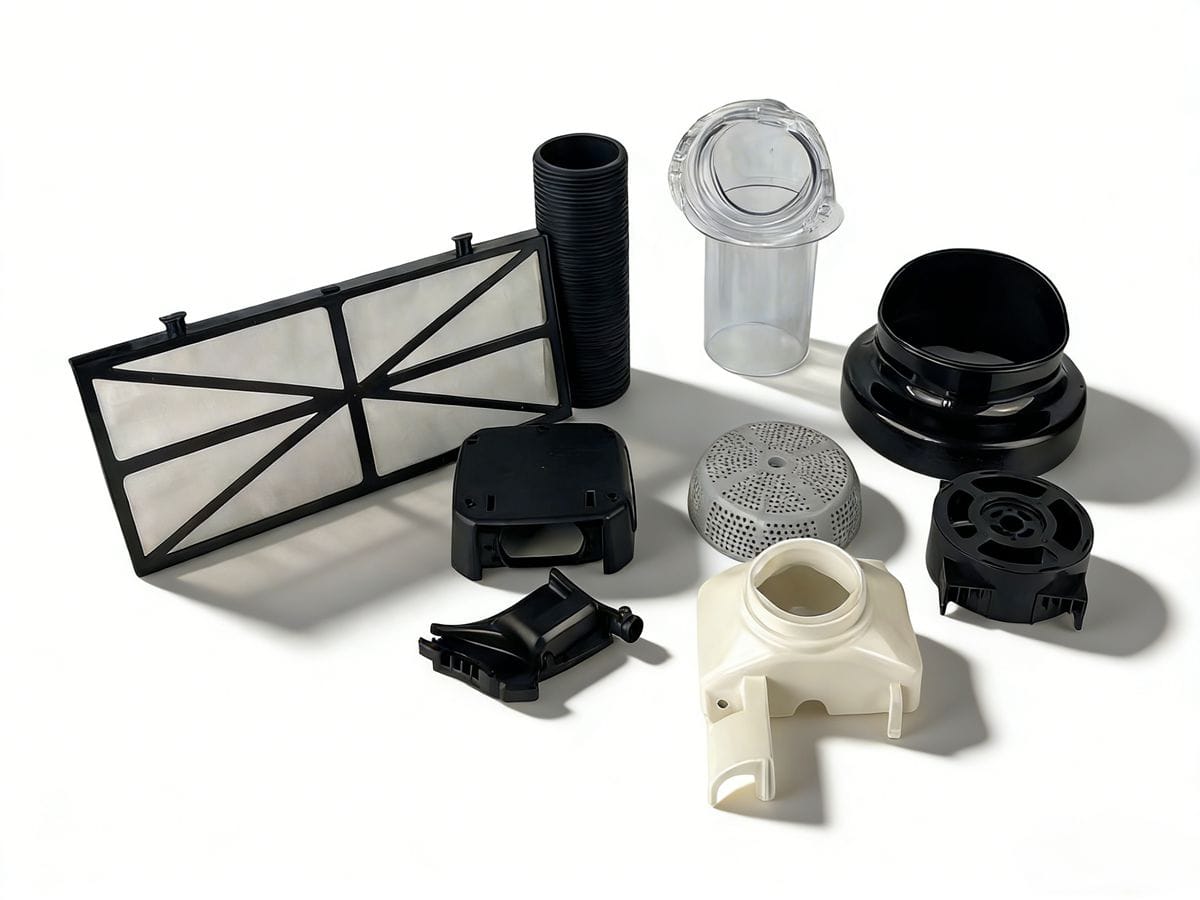
The focus on quality doesn’t stop here. To achieve the desired level of transparency, various factors come into play, such as the selection of the right materials, careful monitoring of machinery, and precise adjustments to the injection parameters. Each component of the process must be meticulously managed to avoid defects that compromise the product's clarity.
What Are the Key Considerations for Raw Material Preparation?
Proper raw material preparation is vital for achieving high transparency in injection molded parts. Any impurities can significantly affect the clarity of the final product, so maintaining cleanliness during storage, transport, and feeding is essential.
Ensure that the raw materials are free from moisture and other contaminants to maintain optimal transparency. Use a sealed system for feeding materials into the injection molding machine.
To prevent the degradation of raw materials due to moisture, it is necessary to dry them thoroughly before use. This involves using a drying hopper during the injection process. Importantly, any air entering the drying system should be filtered and dehumidified to avoid introducing contaminants that could alter the material's transparency.
Importance of Cleanliness in Equipment and Components
Cleaning the barrel, screw, and other components of the injection molding machine is crucial. Old materials or impurities can contaminate the new raw materials, leading to defects.
- Use a cleaning agent for thorough cleaning: Regularly clean using a dedicated screw cleaning agent before and after production runs.
- Adjust temperature settings: If there is a temporary shutdown, reduce the barrel temperature to prevent material degradation—keeping it below 160°C is advised for polycarbonate (PC) and polymethyl methacrylate (PMMA).
The need for cleanliness cannot be overstated. A single trace of contamination can compromise the transparency of the entire batch of molded parts.
How Does Mold Design Affect Product Quality?
Mold design plays a significant role in ensuring that transparent injection molded parts meet the required quality standards. The design must account for various factors to avoid defects like poor surface quality or uneven cooling.
Key design elements include uniform wall thickness, adequate draft angles, and smooth transitions. Properly designed molds help prevent flow issues and surface defects.
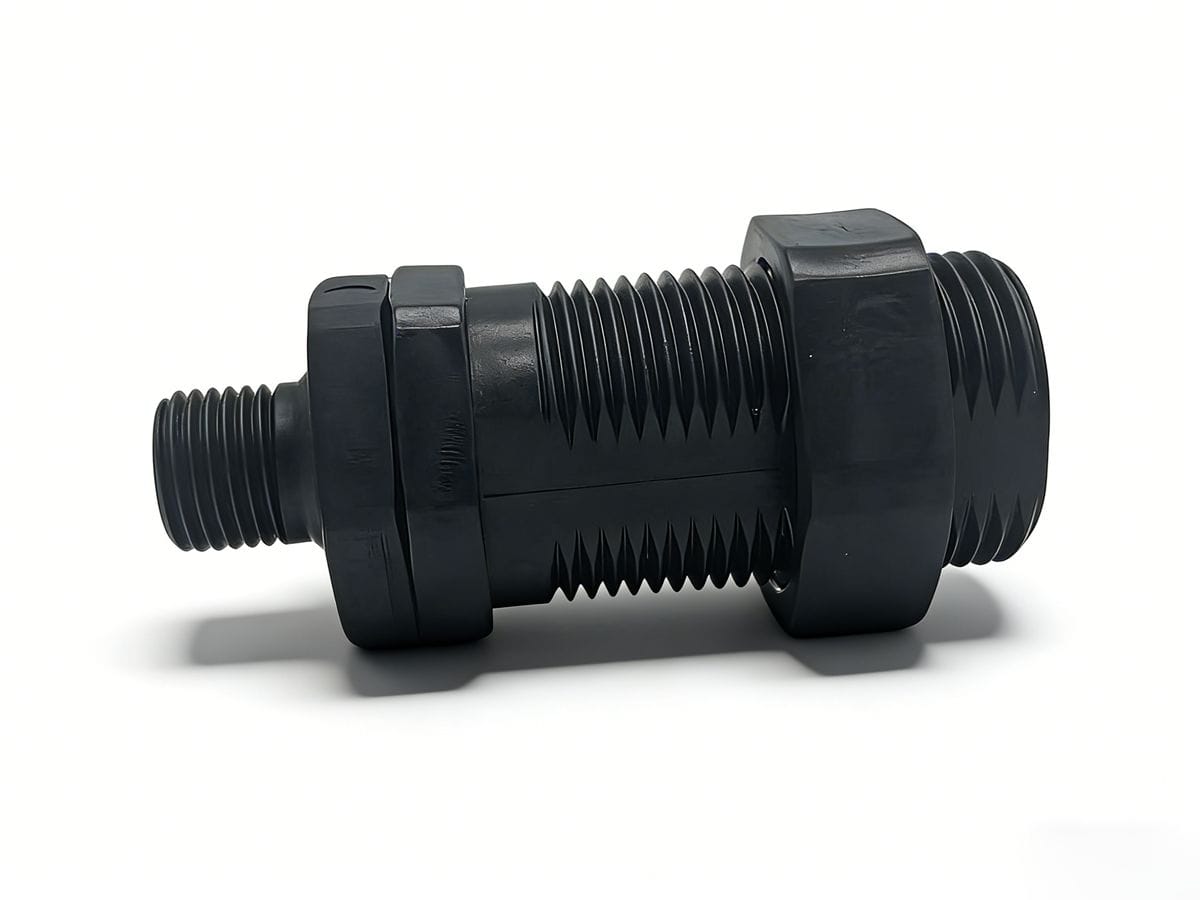
To elaborate on mold design:
- Uniform Wall Thickness: This helps in uniform cooling and reduces the risk of warping.
- Adequate Draft Angles: Ensuring sufficient draft angles allows for easy removal of parts from the mold.
- Smooth Transitional Areas: Sharp corners can lead to stress concentrations, resulting in defects, especially in materials like PC.
- Clean Mold Surfaces: Aim for a low surface roughness (ideally below 0.8) to help maintain transparency and quality.
All these aspects are crucial to maintaining the integrity of transparent parts throughout the injection molding process.
What Injection Molding Process Considerations Should Be Made?
The injection molding process itself must be carefully managed to minimize internal stress and surface defects in the final product.
Focus on using specialized screws, maintaining appropriate injection temperatures and pressures, and adjusting injection speeds for the best results.
Here are essential considerations for the injection molding process:
- Use Dedicated Screws: Opt for special screws that are designed for the specific type of resin being used.
- Injection Temperature: Keep the temperature high enough to prevent degradation of the plastic while ensuring that it remains within safe limits.
- Pressure and Speed: Use higher injection pressures to overcome viscosity but avoid excessive pressure to prevent warping. Injection speeds should also be low when filling the mold to prevent defects.
- Pressure Holding Time: This should be kept short to avoid prolonged material stays in the barrel, which can cause degradation.
- Mold Temperature Control: Precise control over mold temperatures is crucial, as it significantly impacts cooling rates and product quality.
These technical adjustments are pivotal for achieving a high-quality finish on transparent injection molded parts.
What Other Factors Should Be Considered?
Beyond raw material preparation, equipment cleanliness, mold design, and injection process, there are additional factors worth considering.
Minimize the use of release agents and ensure proper post-processing to eliminate internal stress in the molded parts.
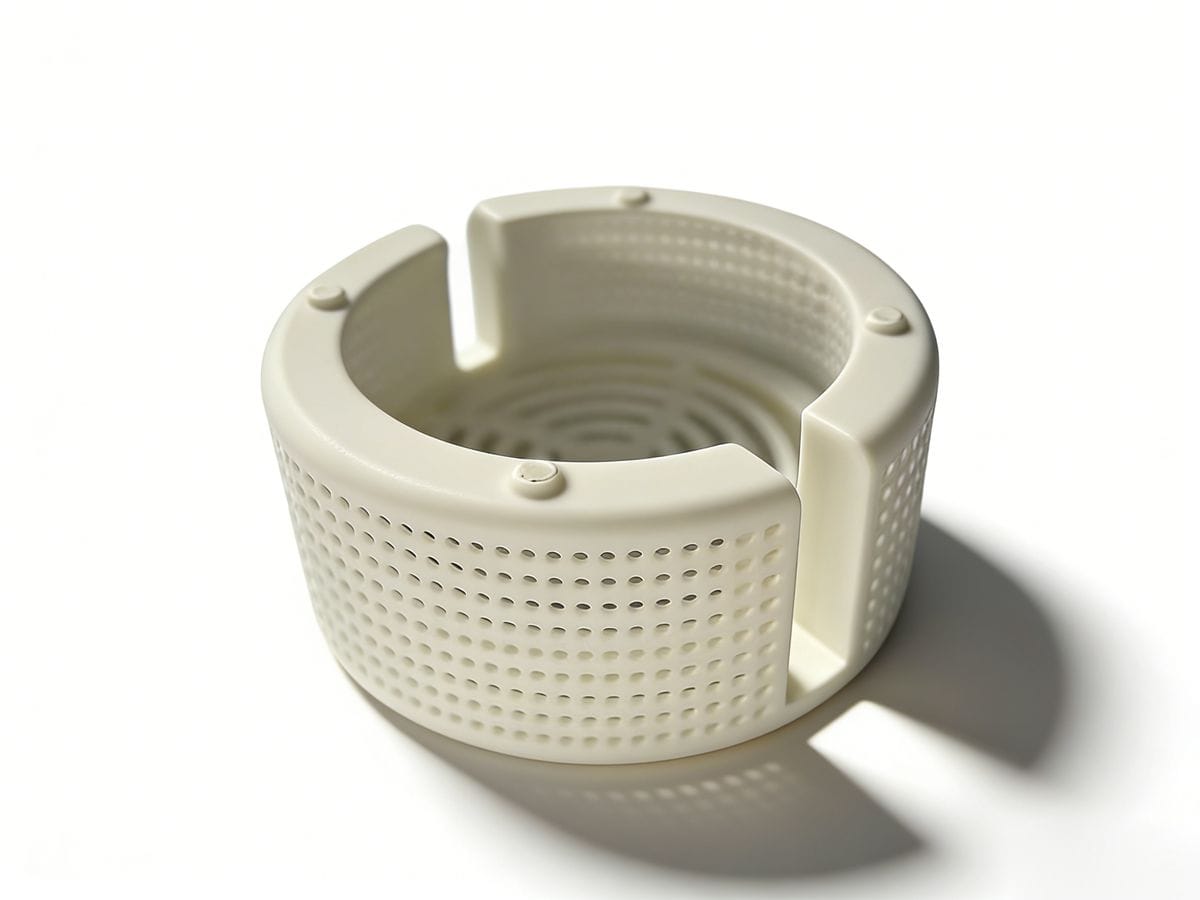
Consider these points:
- Minimize Release Agents: Excessive use can lead to surface imperfections, so use them sparingly.
- Post-Processing Treatments: For materials like PMMA and PC, follow appropriate post-processing methods to relieve internal stresses. This may include heating to specific temperatures for a designated duration.
- Use of Recycled Materials: If using recycled materials, limit the ratio to 20% to avoid compromising quality.
These additional steps can significantly enhance the quality and performance of transparent injection molded parts.
Conclusion
In conclusion, achieving high-quality transparent injection molded parts involves careful attention to every detail in the process, from raw material preparation to post-processing.