What is Thermoplastics?
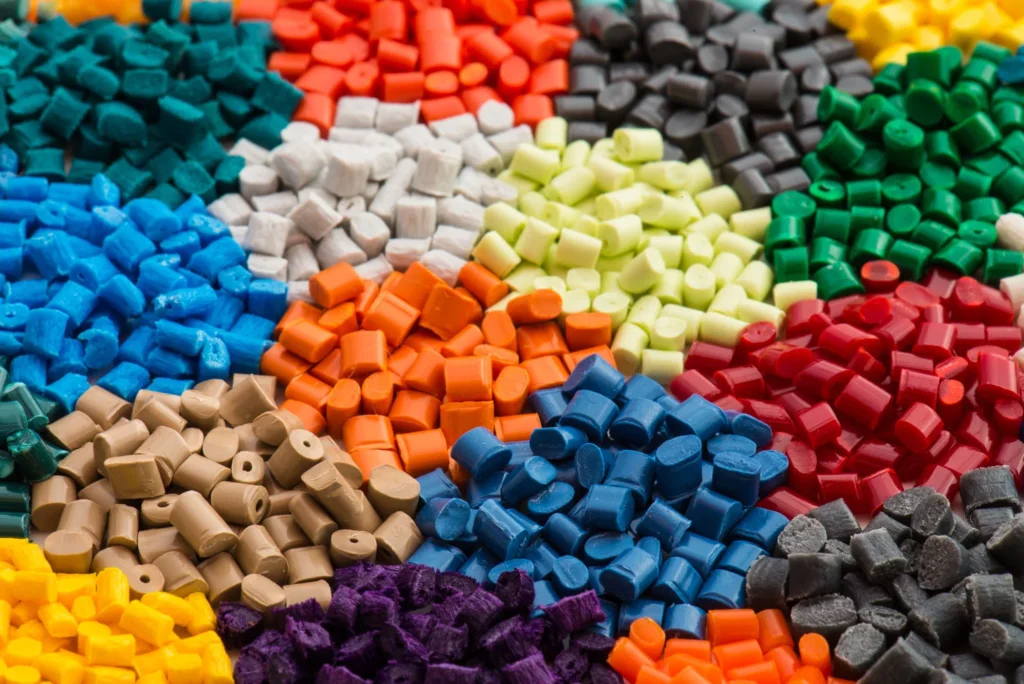
Thermoplastics are a category of plastics that become moldable upon heating and solidify upon cooling. This reversible process allows them to be remolded and recycled multiple times. Common thermoplastics include ABS, PP, PE, PC, and PA, each offering unique properties such as high impact resistance, chemical resistance, flexibility, and durability. These materials are widely used in various industries, including automotive, consumer electronics, packaging, and medical devices, due to their versatility and ease of processing.
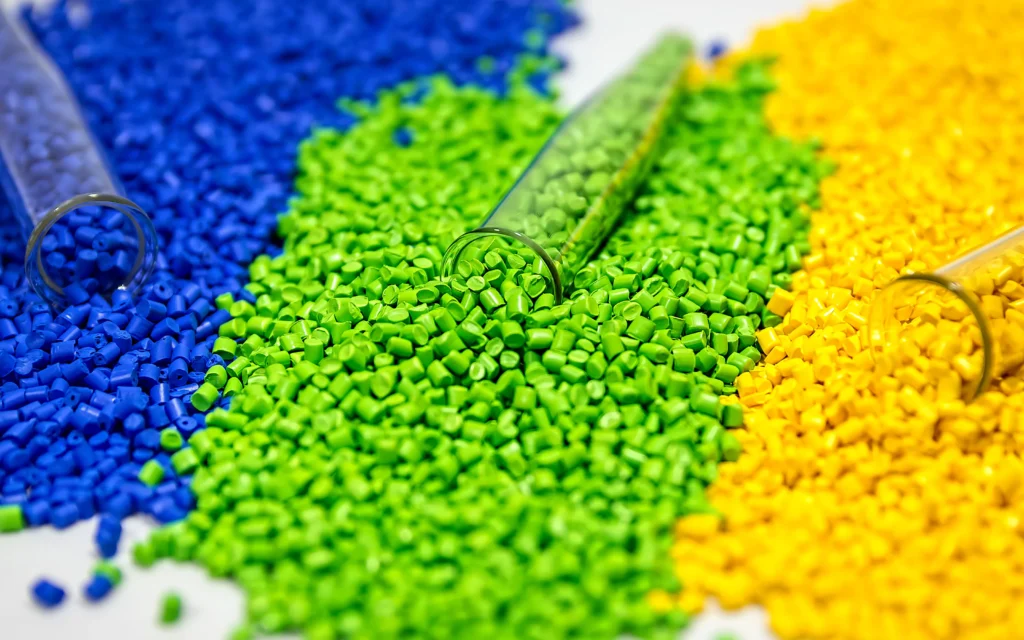
Types of Thermoplastic
Here are some performance parameters of common thermoplastics which might be helpful to you. If you need more information about injection molding, please feel free to Kontaktieren Sie uns. Ideal Pro are more than happy to provide advice on part design and production.
ABS (Acrylnitril-Butadien-Styrol)
- Mechanische Festigkeit: Hohe Schlagfestigkeit, Zähigkeit und Steifigkeit.
- Wetterbeständigkeit: Moderate, UV-stabilisierte Sorten verfügbar.
- Chemische Beständigkeit: Gute Beständigkeit gegen Säuren und Laugen, weniger gegen organische Lösungsmittel. Anwendungen: Autoteile, elektronische Gehäuse, Konsumgüter.
- Verarbeitung: 200°C – 250°C processing temperature
ASA (Acrylnitril-Styrol-Acrylat)
- Mechanische Festigkeit: Hohe Stoßfestigkeit und Steifigkeit.
- Wetterbeständigkeit: Ausgezeichnet, UV-beständig.
- Chemische Beständigkeit: Gute Beständigkeit gegen Säuren und Basen.
- Anwendungen: Kfz-Außenteile, Baumaterialien für den Außenbereich, Elektronikgehäuse.
- Verarbeitung: 220°C – 280°C processing temperature, 50°C – 90°C mold temperature.
HDPE (Hochdichtes Polyethylen)
- Mechanische Festigkeit: Hohe Festigkeit und Steifigkeit.
- Wetterbeständigkeit: Gut.
- Chemische Beständigkeit: Ausgezeichnet.
- Anwendungen: Rohre, Flaschen, Behälter.
- Verarbeitung: 180°C – 240°C processing temperature.
LDPE (Polyethylen niedriger Dichte)
- Mechanische Festigkeit: Gute Flexibilität und Stoßfestigkeit.
- Wetterbeständigkeit: Fair.
- Chemische Beständigkeit: Gut.
- Anwendungen: Plastiktüten, Folien, Behälter.
- Verarbeitung: 160°C – 220°C processing temperature.
PC (Polycarbonat)
- Mechanische Festigkeit: Hohe Schlagzähigkeit, Transparenz.
- Wetterbeständigkeit: Mäßig.
- Chemische Beständigkeit: Gut.
- Anwendungen: Sicherheitshelme, optische Disks, Automobilbeleuchtung.
- Verarbeitung: 270°C – 320°C processing temperature.
PE (Polyethylen)
- Mechanische Festigkeit: Variiert je nach Dichte (LDPE, HDPE).
- Wetterbeständigkeit: Gut.
- Chemische Beständigkeit: Ausgezeichnet.
- Anwendungen: Flaschen, Pfeifen, Spielzeug.
- Verarbeitung: 180°C – 260°C processing temperature.
PS (Polystyrol)
- Mechanische Festigkeit: Hohe Steifigkeit, spröde.
- Wetterbeständigkeit: Schlecht.
- Chemische Beständigkeit: Fair.
- Anwendungen: Einweg-Besteck, Verpackungen, Laborgeräte.
- Verarbeitung: 180°C – 240°C processing temperature.
PP (Polypropylen)
- Mechanische Festigkeit: Gute Ermüdungsfestigkeit, mäßige Schlagzähigkeit.
- Wetterbeständigkeit: Ausgezeichnet.
- Chemische Beständigkeit: Ausgezeichnet.
- Anwendungen: Lebensmittelbehälter, Automobilteile, medizinische Geräte.
- Verarbeitung: 220°C – 260°C processing temperature.
POM (Polyoxymethylen, Acetal)
- Mechanische Festigkeit: Hohe Steifigkeit und geringe Reibung, ideal für Präzisionsteile.
- Wetterbeständigkeit: Mäßig; erbringt gute Leistungen unter typischen Bedingungen.
- Chemische Beständigkeit: Gute Beständigkeit gegen viele Chemikalien, geeignet für den industriellen Einsatz.
- Anwendungen: Wird häufig in Getrieben, Lagern und Ventilkomponenten verwendet.
- Verarbeitung: Wird in der Regel bei 190°C bis 230°C verarbeitet.
NYLON (Polyamid, PA)
- Mechanische Festigkeit: Hoch, mit ausgezeichneter Haltbarkeit und Verschleißfestigkeit.
- Wetterbeständigkeit:Mäßig, gut unter normalen Bedingungen.
- Chemische Beständigkeit: Gut, beständig gegen viele Chemikalien und Lösungsmittel.
- Anwendungen: utomotive parts, textiles, mechanical components.
- Verarbeitung: Verarbeitet bei Temperaturen von 240°C bis 300°C.
PET (Polyethylenterephthalat)
- Mechanische Festigkeit: Hoch, mit ausgezeichneter struktureller Integrität.
- Wetterbeständigkeit: Gut, mit stabiler Leistung unter verschiedenen Wetterbedingungen.
- Chemische Beständigkeit: Ausgezeichnet, beständig gegen viele Säuren und Lösungsmittel.
- Anwendungen: Wird für Getränkeflaschen, Lebensmittelbehälter und Automobilteile verwendet.
- Verarbeitung: Wird in der Regel bei Temperaturen zwischen 240°C und 280°C verarbeitet.
PMMA (Polymethylmethacrylat, Acryl)
- Mechanische Festigkeit: Mäßig, mit guter Haltbarkeit und Klarheit.
- Wetterbeständigkeit: Ausgezeichnete, hohe UV- und Witterungsbeständigkeit.
- Chemische Beständigkeit: Mäßig, resistent gegen einige Chemikalien, aber anfällig für andere.
- Anwendungen: Wird häufig in Linsen, Displays und Beleuchtungskörpern verwendet.
- Verarbeitung: Verarbeitet bei Temperaturen zwischen 200°C und 250°C.
PPA (Polyphthalamid)
- Mechanische Festigkeit: Hoch, für ausgezeichnete Haltbarkeit.
- Wetterbeständigkeit: Gut, stabil unter verschiedenen Wetterbedingungen.
- Chemische Beständigkeit: Hervorragend, resistent gegen eine Vielzahl von Chemikalien.
- Anwendungen: Wird in Automobilkomponenten, Elektronik und Industriemaschinen verwendet.
- Verarbeitung: Verarbeitet bei Temperaturen zwischen 290°C
TPE (Thermoplastisches Elastomer)
- Mechanische Festigkeit: Mäßig, mit Flexibilität und Widerstandsfähigkeit.
- Wetterbeständigkeit: Gut, geeignet für unterschiedliche Umgebungsbedingungen.
- Chemische Beständigkeit: Mäßig, resistent gegen einige Chemikalien.
- Anwendungen: Wird für Soft-Touch-Griffe, Dichtungen und flexible Anschlüsse verwendet.
- Verarbeitung: 180°C – 240°C.
HIPS (Hochschlagfestes Polystyrol)
- Mechanische Festigkeit: Mäßig, mit guter Stoßfestigkeit.
- Resistance: Schlecht, nicht für den längeren Gebrauch im Freien geeignet.
- Chemische Beständigkeit: Mäßig, resistent gegen einige Chemikalien.
- Anwendungen: Wird häufig in Einwegbesteck, Verpackungen und Gehäusen verwendet.
- Verarbeitung: 180°C – 240°C.
PEI (Polyetherimid)
- Mechanische Festigkeit: Hoch, mit ausgezeichneter Steifigkeit und Festigkeit.
- Wetterbeständigkeit: Gute, gleichbleibende Leistung unter verschiedenen Bedingungen.
- Chemische Beständigkeit: Gut, resistent gegen viele Chemikalien.
- Anwendungen: Medizinische Instrumente, elektrische Komponenten und Hochleistungsteile.
- Verarbeitung: 340°C - 400°C.