

The accuracy of thin-wall injection molded parts is crucial for performance and functionality. If overlooked, it can lead to production inefficiencies and increased costs.
Understanding the critical factors that influence the accuracy of thin-wall injection molded parts is essential. These aspects are mold design, material selection, process parameters, and overall design. By optimizing these factors, you can significantly enhance precision in manufacturing.
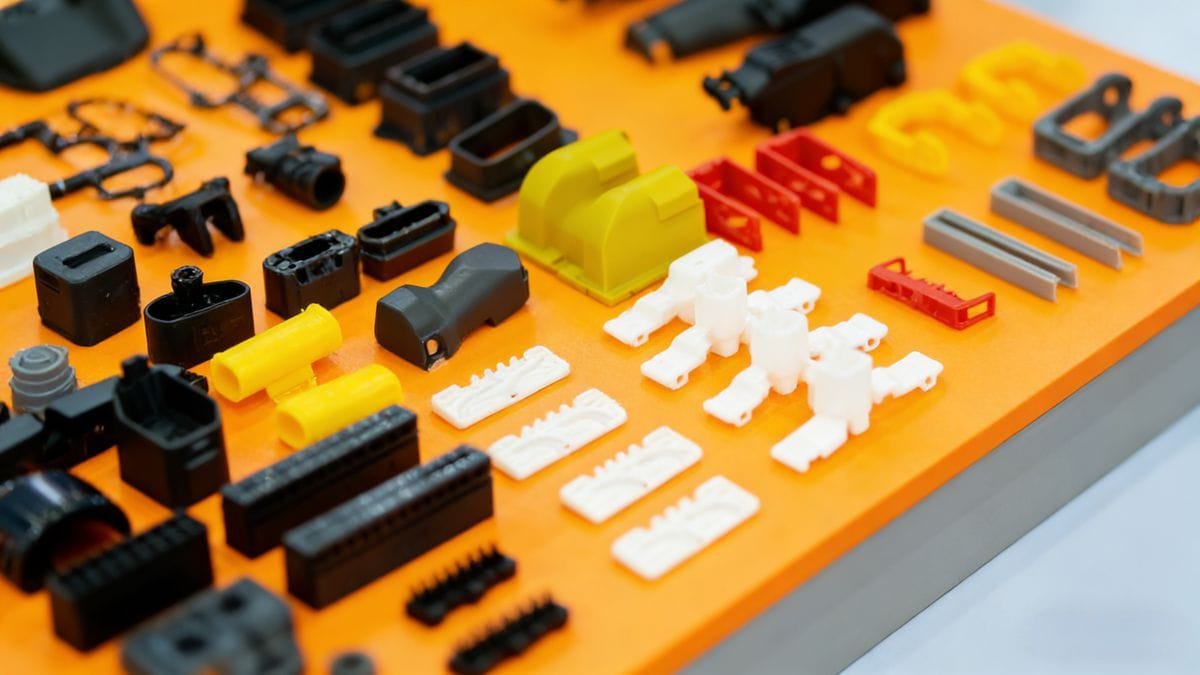
Maintaining precision in thin-wall injection molding goes beyond just meeting specifications. It involves understanding how various factors interact to affect the final product. As I've learned in my experience, attention to detail in these areas can lead to significant improvements in quality and efficiency.
The 4 Critical Factors Defining Accuracy in Thin-Wall Injection Molding?
The first step in achieving accuracy is recognizing the critical factors at play. These factors include pressure, speed, temperature, and mold design. Each of these elements plays a significant role in determining the final dimensions and quality of thin-wall parts.
Pressure is the primary force driving the material into the mold. It must be carefully controlled to avoid defects like short shots or warping. Speed relates to how quickly the material fills the mold, influencing the flow and cooling process. Temperature affects the viscosity of the material, impacting how well it flows into intricate areas of the mold. Finally, mold design must consider all these factors to ensure a good fit and finish.
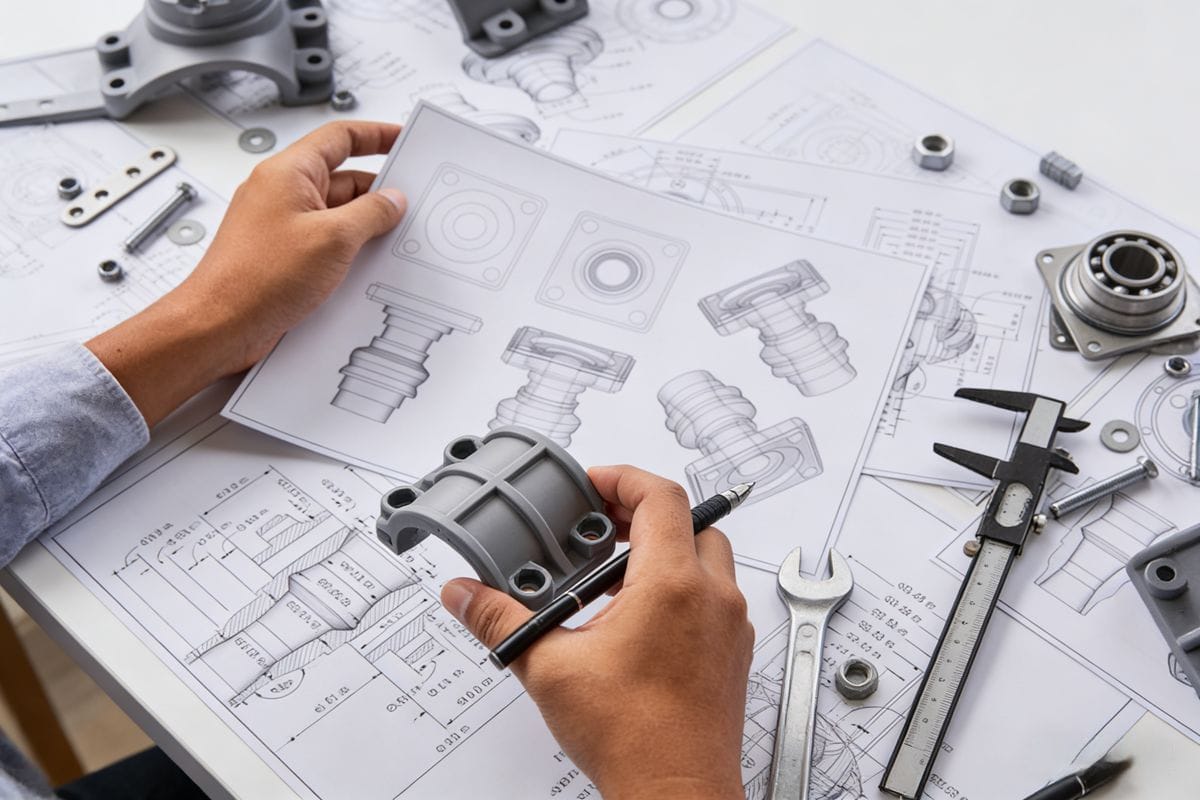
Understanding these four critical factors allows us to refine our processes. For instance, if the injection pressure is too low, the material may not fill the mold completely, leading to short shots. On the other hand, excessive pressure can cause flash or burning of the material. The molding speed impacts how well the material fills the mold cavities. A fast speed could result in defects from overfilling, while a slow speed may lead to incomplete fills.
When it comes to temperature, different materials require specific temperature ranges to perform optimally. Too low a temperature can cause incomplete melting, while too high can break down material properties. Each of these factors must be fine-tuned in coordination with the mold design to achieve optimal results.
Beyond Tolerance Tables: A Practical Guide to the 4 Pillars of Thin-Wall Molding Precision?
In my journey through the world of injection molding, I've discovered that simply relying on tolerance tables is not enough. Understanding the underlying principles of material behavior and mold dynamics is essential.
The four pillars of thin-wall molding precision are material selection, mold design, process control, and thorough testing. Each pillar supports the quality and accuracy of the final product. Proper material choice ensures compatibility with the molding process and end-use requirements.
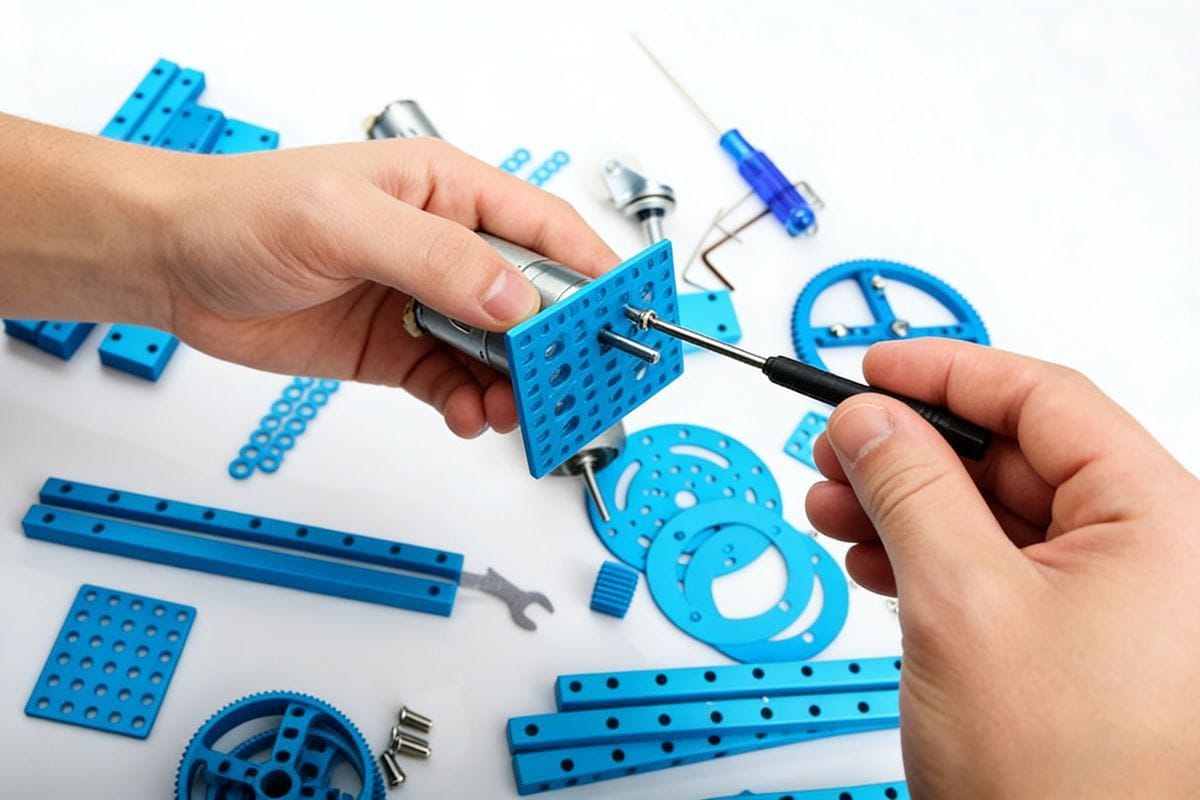
Material selection is where the journey begins. It’s important to choose materials that suit the specific application. For instance, if you’re molding electronic housings, you’ll need a material that can withstand environmental factors while maintaining dimensional stability. Next, the mold design must accommodate the properties of the material. Factors such as wall thickness, cooling channels, and venting need to be optimized.
Process control comes next. This involves monitoring the injection speed, pressure, and temperature during production. Small changes in these parameters can lead to significant variations in the final part. I’ve often found that consistent monitoring and adjustment during production has led to better outcomes in accuracy.
Finally, thorough testing of the molded parts is vital. Running trials to assess dimensions and tolerances helps identify potential issues early. By focusing on these four pillars, we can create a strong foundation for producing accurate thin-wall injection molded parts.
Mastering Thin-Wall Accuracy: An Engineer‘s Breakdown of Material, Mold, Process & Design?
Achieving mastery in thin-wall injection molding requires a holistic approach. Each element—material, mold, process, and design—must work synergistically to ensure success.
Material properties play a crucial role in determining how a part behaves during and after the molding process. Selecting the right material can prevent many common issues associated with thin walls. Mold design must also consider how thin walls will affect cooling and potential warping.

Different materials have distinct flow characteristics that affect how they fill the mold. For example, some materials may cool quickly, leading to issues with shrinkage, while others take longer to solidify. Understanding these properties can guide engineers in selecting the right materials for specific applications.
Mold design should also reflect the needs of thin-wall parts. Features like draft angles, wall thickness, and ribbing can significantly impact part accuracy. I have seen firsthand how a small adjustment in the mold design can prevent defects and improve the overall quality of the output.
Process parameters must be strictly controlled to maintain dimensional accuracy. This includes consistent monitoring of injection speed and pressure. Any fluctuations can lead to variations in the final product. I’ve found that setting up clear standards for these parameters has helped maintain consistency.
Design considerations are just as important. The shape and features of the molded part can influence how effectively the mold fills and cools. By focusing on these four areas—material, mold, process, and design—we can master thin-wall accuracy and deliver superior products.
Why Thin-Wall Parts Fail Tolerance: The 4 Levers of Control for Precision Injection Molding?
Despite advancements in technology, thin-wall parts still face challenges in meeting tolerance requirements. These failures often stem from a lack of control over key factors during production.
The four levers of control include pressure management, speed control, temperature regulation, and mold design optimization. Each lever must be carefully adjusted to avoid common pitfalls that lead to dimensional inaccuracies.

Pressure management is crucial. When the pressure is too low, the material may not fill the mold adequately. Conversely, excessive pressure can lead to flash and other defects. Finding the right balance is essential for maintaining accuracy.
Speed control also plays a pivotal role. The speed at which the material is injected affects how it fills the cavity. If it’s too fast, it can create turbulence, leading to inconsistent filling. On the other hand, a slow injection speed might not allow the material to fill in time, leading to short shots.
Temperature regulation directly impacts the viscosity of the material. If the material is too cold, it may not flow properly, leading to defects. But if it's too hot, it can degrade and lose its properties. Proper temperature control aligns with both material requirements and production standards.
Finally, optimizing mold design helps mitigate many issues that lead to tolerance failures. Features like proper venting and cooling channels play an important role in ensuring accurate and efficient filling of the mold. By focusing on these four levers of control, we can improve the precision of thin-wall injection molded parts.
The Thin-Wall Precision Playbook: How to Optimize Material, Tooling, Process & Design for Dimensional Accuracy?
To achieve excellence in thin-wall injection molding, it’s essential to have a clear playbook. This playbook should detail the steps for optimizing material, tooling, process, and design.
In optimizing material, selecting the right resin type and understanding its flow characteristics is paramount. Tooling must be designed with precision to accommodate the material properties and desired wall thickness. Process optimization involves constant monitoring and adjustment of injection parameters, while design should focus on both aesthetics and functionality.

When choosing material, consider its melt flow index, tensile strength, and thermal stability. Each of these factors can influence the performance and accuracy of the final product. Selecting the right resin not only helps in achieving the desired properties but also aids in maintaining dimensional stability.
Tooling needs to be precise. This means ensuring that the mold is manufactured to exact specifications. Any deviation can result in defects. Regular maintenance and calibration of the molds are necessary to keep them in top condition.
Process optimization is crucial. Implementing real-time monitoring systems can help in tracking pressure, speed, and temperature. This allows for immediate adjustments, reducing the risk of defects. I’ve found that investing in technology to monitor these parameters has paid off significantly in terms of product quality.
Lastly, a well-thought-out design should consider both form and function. Features that facilitate easy filling and cooling can enhance the overall accuracy of the final product. By following this playbook, you can significantly improve the dimensional accuracy of thin-wall injection molded parts.
4 Non-Negotiables for Dimensional Accuracy in Thin-Wall Injection Molded Parts
In summary, there are four non-negotiables for achieving dimensional accuracy in thin-wall injection molded parts. These are pressure control, speed regulation, temperature management, and mold design optimization.
By adhering to these principles, you can enhance product quality and efficiency while minimizing defects and rework. Each of these factors, when managed effectively, contributes to the overall success of the injection molding process.
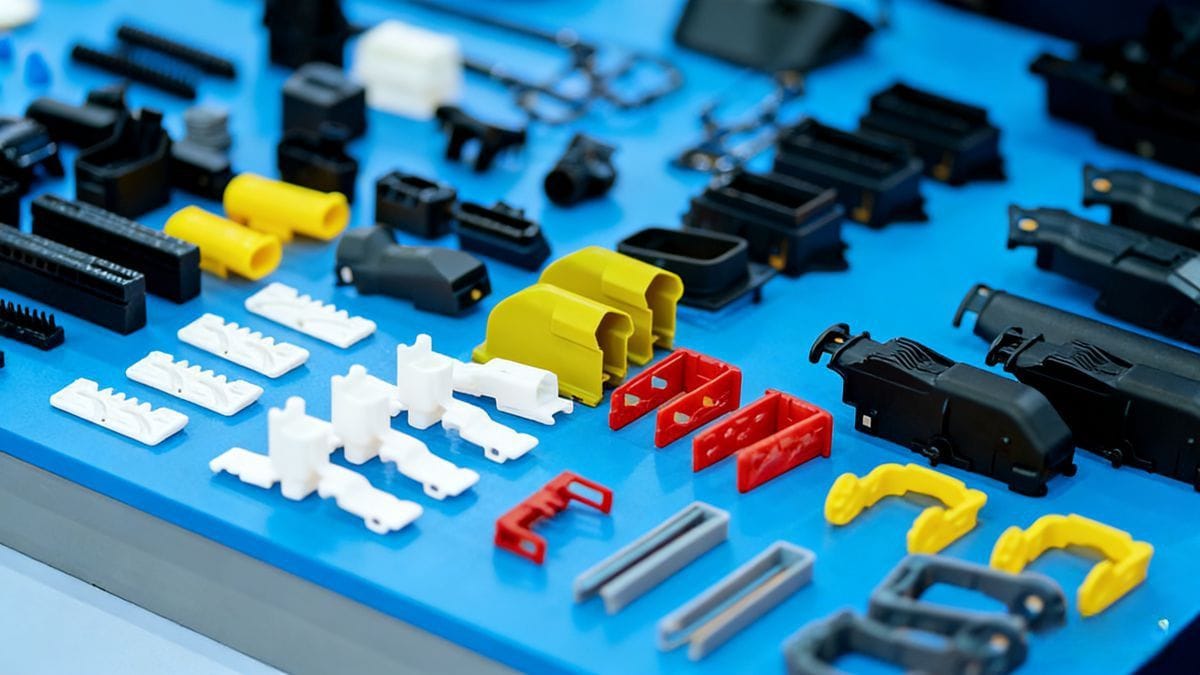
In conclusion, the path to achieving accuracy in thin-wall injection molded parts lies in understanding and controlling these critical factors.




 English
 French
 Dutch
Dutch German
 Japanese
 Korean