

The first impression of a product often comes from its surface finish. In high-gloss injection molding, achieving that flawless shine is both an art and a science.
To achieve high-quality, high-gloss products, it's essential to understand the principles of injection molding and the requirements for machinery, molds, and materials used in the process.

The world of injection molding can be complex. But once you grasp the essentials, it becomes much easier to navigate. Let’s dive into the principles and requirements needed for high-gloss injection molding.
What are the fundamental principles of high-gloss injection molding?
High-gloss injection molding relies on several key processes. Before mold closing, it’s important to heat the mold. Once the mold closes and reaches the desired temperature, injection begins. Maintaining a high temperature ensures the rubber compound flows smoothly into the mold. After the injection, cooling takes place during the pressure-holding phase. This method significantly shortens cooling times and boosts production efficiency.

To produce high-gloss items, it’s vital to coordinate various components. This includes injection molding machines, molds, temperature control devices, specialized plastics, and cooling systems.
Configuration of the plastic injection molding machine
- High rigidity clamping mechanism: This ensures that the force applied during clamping remains stable. A stable clamping force is essential for achieving a smooth product surface.
- Large clamping force: Since gas-assisted injection isn’t applicable in this process, the required clamping force increases. Thus, selecting an appropriate machine is crucial.
- Appropriate injection volume: For items like flat-screen TVs, a large injection volume may not be necessary. Ideally, the actual weight of the final product should be 30% to 80% of the machine's theoretical injection volume. Excessive volume can lead to decomposition of rubber materials, causing defects.
- Specialized plastics: High-gloss products require hard plastics with low melt flow indexes. The screw should have good plasticizing properties without applying excessive shearing force, which could decompose the rubber compound.
Mold Configuration
- Smooth inner surface: A high degree of smoothness is critical to achieving top-notch surface quality.
- Internal channel design: Proper design of internal channels ensures quick heating and cooling.
- Thermal conductivity: Pipes within the mold should facilitate good thermal conductivity.
- Quality materials: The mold must be made from high-quality steel due to the continuous heating and cooling requirements.
- Maintenance: Regular upkeep is necessary to keep the mold dry and dust-free.
Configuration of temperature control equipment
- Accurate temperature control: Precision is vital for ensuring product quality.
- Quick response: The temperature control system should react swiftly to maintain high production efficiency.
Special plastics for high-gloss surfaces
Commonly used plastics in high-gloss products include ABS, PC+ABS, and PMMA+ABS. While ABS is the softest, PMMA+ABS stands out with the highest hardness, reaching levels of H or even 2H. However, hardness inversely affects melt flow index and flowability. Therefore, selecting the right plastic depends on specific production needs.
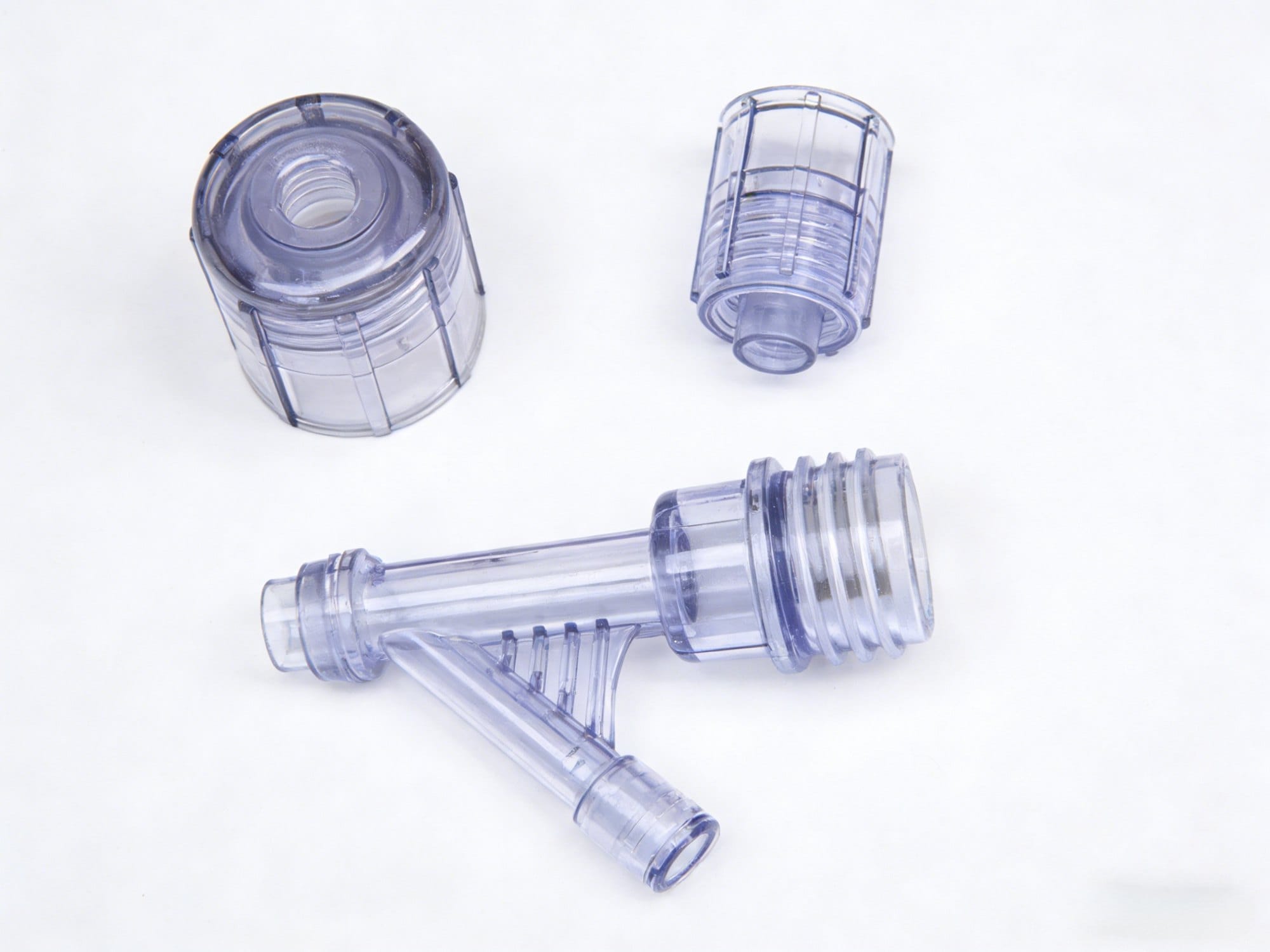 Steam-based traceless high-gloss injection molding technology offers numerous advantages. It significantly enhances product surface quality and strength while reducing the need for subsequent spraying or painting. This not only benefits the environment and worker health but also cuts down on secondary processing costs, leading to considerable savings in production expenses and material usage.
Conclusion
Understanding the principles and requirements of high-gloss injection molding is crucial for producing high-quality products.




 English
 French
 Dutch
Dutch German
 Japanese
 Korean