

Sourcing from China feels complex and risky. You worry about quality control, hidden costs, and protecting your intellectual property. Making the wrong choice can lead to costly delays and product failures.
The key to successful sourcing in China is a vetted process. Focus on finding a true partner, not just a supplier. Verify their quality systems, engineering expertise, and communication. A solid partner protects your IP and ensures consistent quality, turning risk into a competitive advantage.
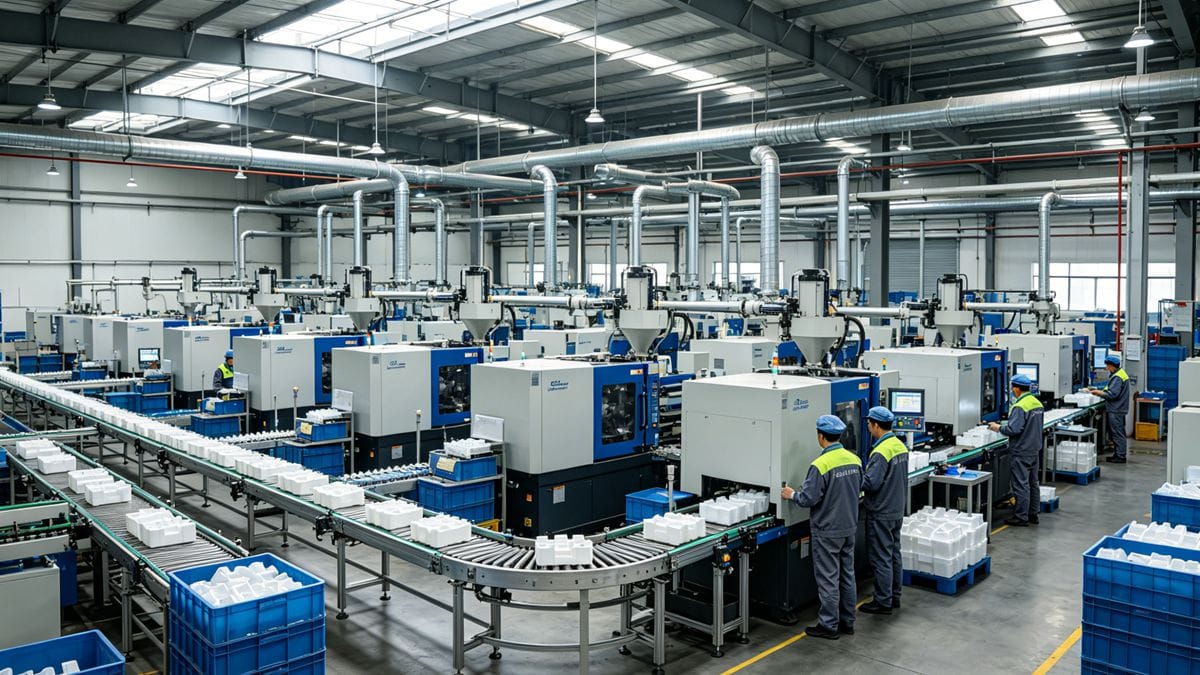
Navigating the world of international manufacturing can seem daunting. I've seen many companies struggle, but I've also seen many succeed beyond their wildest dreams. The difference always comes down to preparation and choosing the right partner. This guide is built from my years of experience in the industry, designed to give you the clarity and confidence you need. Let's break down the process step-by-step, so you can make informed decisions and build a successful, lasting supply chain in China.
What Does the Injection Molding Market Look Like in 2026?
The global market is always changing. You hear news about supply chains shifting and new manufacturing hubs emerging. This makes you wonder if China is still the right choice for your projects.
In 2026, China’s injection molding market remains a global powerhouse. It is defined by increased automation, a focus on sustainable materials, and highly integrated supply chains. This maturity provides a unique combination of speed, scalability, and advanced technical capabilities that are difficult to match elsewhere.
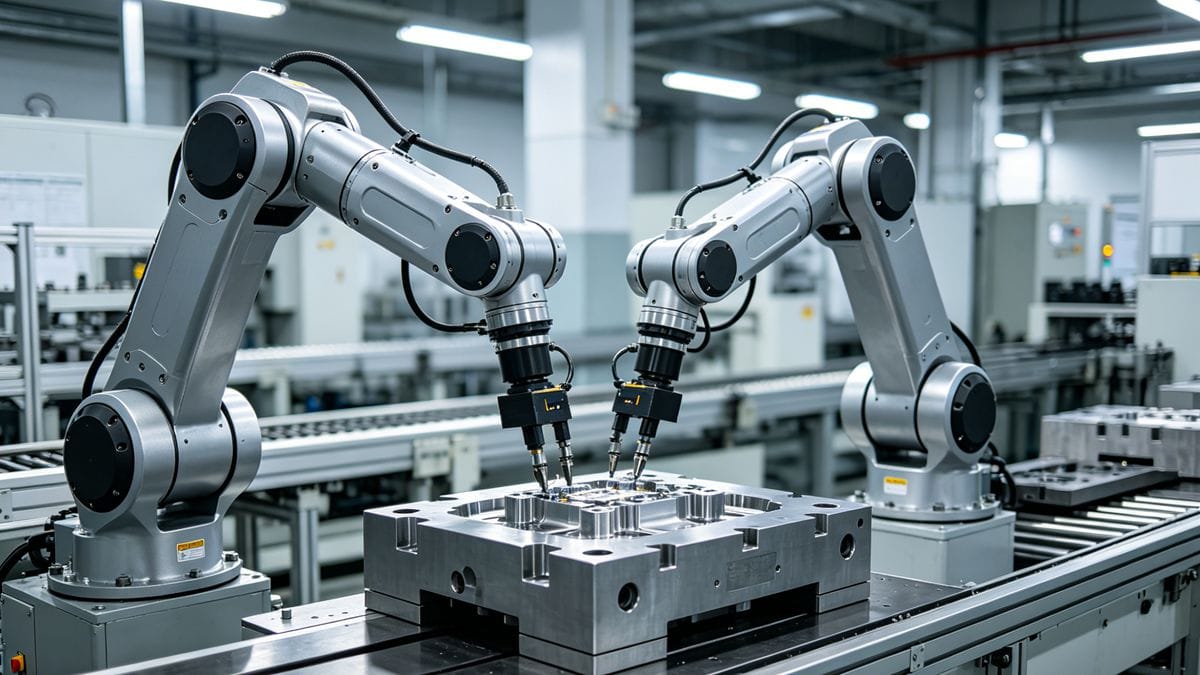
The landscape for 2026 is more sophisticated than ever. It's not just about low costs anymore. The real story is about value and capability. We're seeing a massive push towards "smart" manufacturing. Factories are using robotics and AI to improve consistency and reduce labor costs. This means higher quality parts for you.
There's also a growing emphasis on sustainability.
- New Materials: Suppliers are offering more options for recycled and bio-based plastics. This helps brands meet their environmental goals.
- Energy Efficiency: Modern factories are investing in energy-saving machines and processes, which can lower production costs over time.
I remember a project where a client was hesitant about sourcing from China due to environmental concerns. We walked them through our material sourcing process and showed them our new, energy-efficient presses. They were amazed at the progress and confident in moving forward. The market here is adapting fast, and the best suppliers are leading the way in technology and sustainability.
Why Do Global Brands Still Choose China for Injection Molding?
You might hear about manufacturing moving to other countries like Vietnam or Mexico. This makes you question if China's advantages are fading. You need to be sure you are making the best strategic choice.
Global brands continue to choose China for its unparalleled supply chain ecosystem. The speed from tooling to mass production, access to skilled engineers, massive scalability, and competitive total cost of ownership create a value proposition that remains unmatched for most complex projects.

Let's break down the core reasons why China remains the top choice. It's not just one thing; it's a powerful combination of factors. I've worked with clients who explored other options, but they often return once they see the complete picture. The infrastructure here is simply decades ahead of many other regions.
Here’s a simple comparison:
| Factor | China | Other Emerging Regions |
|---|---|---|
| Supply Chain | Highly mature, integrated, and fast. | Developing, often fragmented. |
| Tooling Speed | World-class. Molds can be made in weeks. | Slower lead times are common. |
| Labor & Skills | Huge pool of experienced engineers & techs. | Skill gaps in technical areas. |
| Scalability | Can handle massive order volumes easily. | Limited capacity for high-volume runs. |
| Total Cost | Very competitive, especially for complex parts. | Can be lower for simple labor, higher overall. |
The key takeaway is "total value." While another country might offer slightly lower labor costs, you might face delays in shipping raw materials or a lack of experienced toolmakers. In China, everything you need, from steel suppliers to surface finishing specialists, is often just a short drive away. This integration is China's true competitive advantage.
What Kind of Supplier Partner Do You Actually Need?
Finding a "supplier" is easy, but finding the right "partner" is hard. A small workshop can't handle your high-volume order, and a massive factory might ignore your small-batch project. Choosing the wrong type of supplier is a recipe for frustration.
The right partner matches your project's specific needs. Assess suppliers based on their size, specialization, and engineering support. A mid-sized, engineering-focused firm is often ideal for businesses needing quality, communication, and long-term collaboration for complex projects.
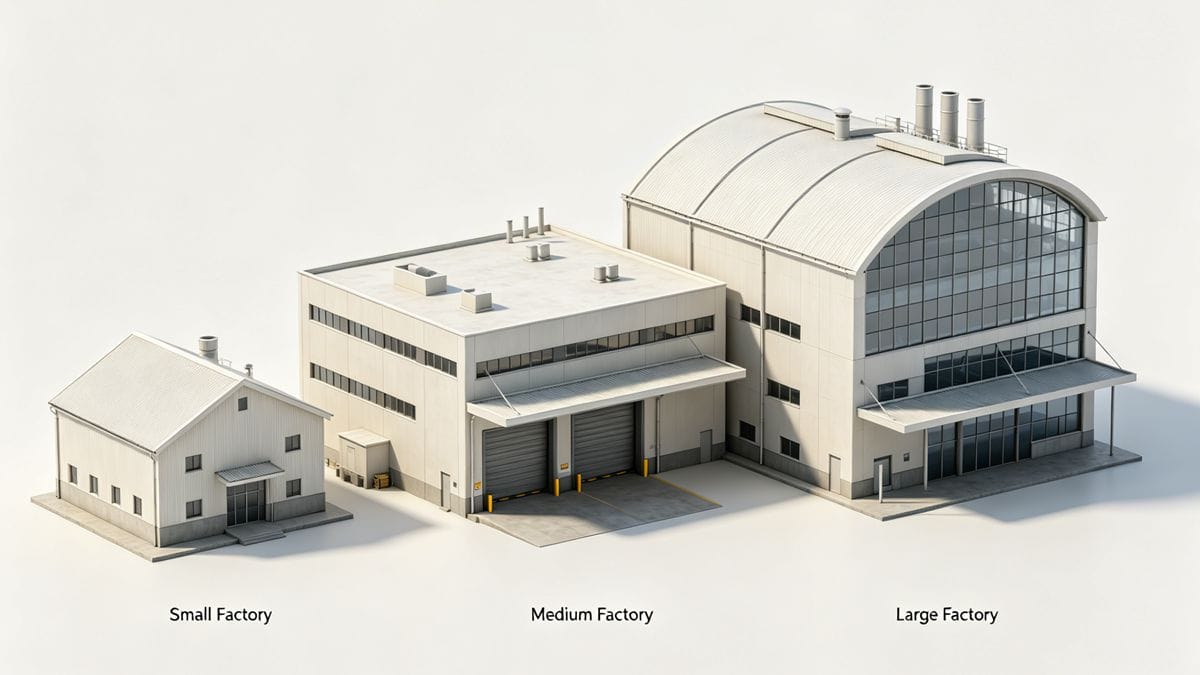
In my experience, suppliers in China generally fall into three categories. Understanding them is the first step to finding your perfect match. I once had a startup client who went straight to a huge, automotive-grade factory. They were treated like a low priority and their project stalled. We helped them switch to a mid-sized partner who gave them the attention they needed, and the project was a success.
Let's look at the different types of suppliers:
Supplier Tiers
| Supplier Type | Best For | Potential Downsides |
|---|---|---|
| Small Workshop | Very simple parts, low volume, tight budgets. | Inconsistent quality, limited engineering, poor communication. |
| Mid-Sized Specialist | Complex projects, stable volumes, DFM & support. | May not be the absolute cheapest for simple parts. |
| Large-Scale Factory | Extremely high volumes (millions+), simple parts. | Less flexibility, high MOQs, less personal service. |
At Ideal Pro, we position ourselves as that mid-sized specialist. Our mission is to be a long-term partner, focusing on "Sustainable Solutions, Enduring Excellence." We thrive on providing DFM analysis and ongoing support to ensure your success, not just fulfilling an order. You need a partner who invests in your success, and that usually comes from this middle tier.
How Can You Evaluate Suppliers Like an Expert?
You have a list of potential suppliers, but their websites all look the same. How do you tell the good from the bad? Without a clear evaluation process, you are just guessing, and that’s a dangerous game.
Evaluate suppliers like an expert by auditing four key areas: their Quality Management System (QMS), their equipment and facility, their engineering team's capabilities, and their communication responsiveness. A strong supplier will be transparent and proud to share information in all these areas.
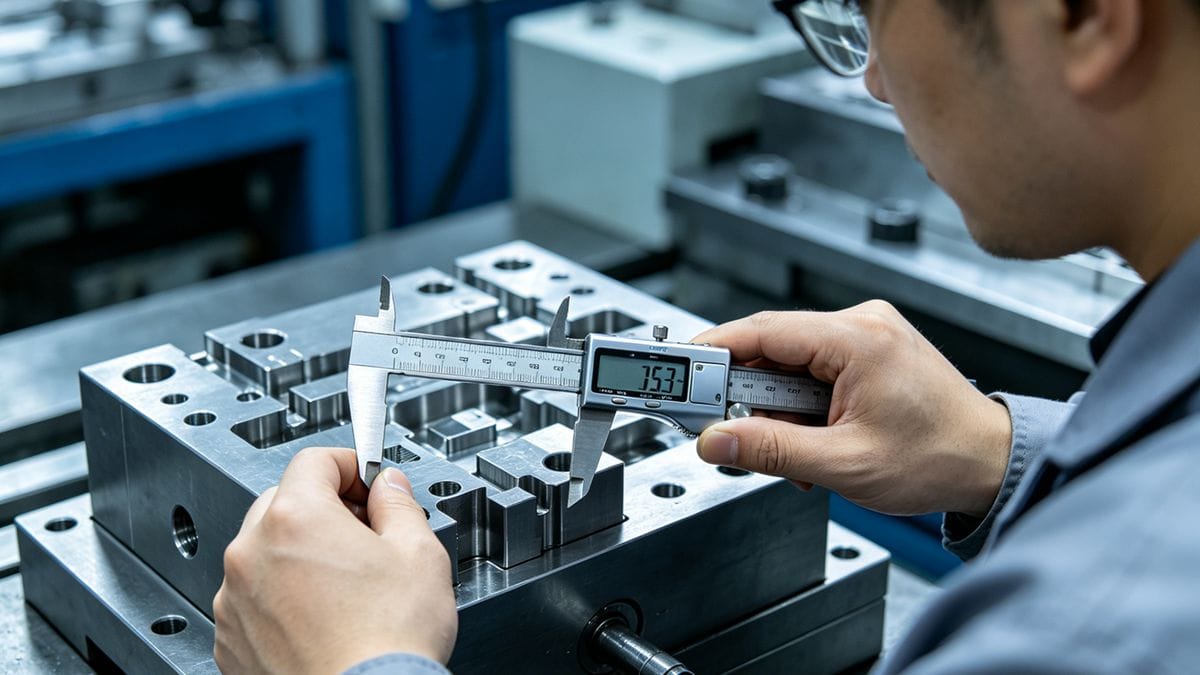
You don't need to be an engineer to perform a solid initial audit. You just need to know what questions to ask. I always tell my clients to think of it as a job interview. You are hiring this company to build a critical part of your product. You need to be thorough. We welcome this scrutiny because it builds trust from day one.
Here is a checklist you can use:
Core Audit Checklist
Quality Management System (QMS):
- Do they have ISO 9001 certification? Ask for the certificate.
- Can they show you their quality control process documents?
- What inspection equipment do they have (CMM, projector, etc.)?
Facility & Equipment:
- Ask for a detailed equipment list. Look for well-known machine brands (e.g., Haitian, Fanuc, Arburg).
- Request a virtual or, if possible, in-person factory tour. Is the facility clean and organized?
- Do they have a dedicated tool room for mold maintenance and repair?
Engineering & DFM:
- Who will be your engineering contact? What is their experience?
- Ask for examples of Design for Manufacturability (DFM) reports they have done for other clients.
- How do they handle potential design issues?
Communication:
- How quickly do they respond to your RFQ and subsequent emails?
- Is their English clear and professional?
- Are they asking you smart questions about your project? This shows they are engaged.
A good partner will have solid answers for all of these. If a supplier is evasive or can't provide this information, consider it a major red flag.
What Red Flags Should You Watch for During Sourcing?
An amazing price quote can be very tempting. But if it seems too good to be true, it probably is. Ignoring warning signs can lead to you losing your deposit, receiving unusable parts, or having your design stolen.
The biggest red flags are unrealistically low prices, poor or slow communication, a refusal to sign an NNN agreement, and a lack of transparency about their factory or processes. These signs often point to a trading company posing as a factory or a supplier that will cut corners.
I've had to help clients recover from bad supplier choices, and it's always painful. One client chose a supplier based on a rock-bottom price. The initial samples were great. But once they paid for the full production run, the quality dropped dramatically. The supplier used cheaper materials and ignored the specs. It turned out the first supplier was just a middleman who outsourced the work to a low-quality factory after securing the order.
To avoid this, watch out for these specific warning signs:
Common Red Flags
- The "Too Good to be True" Price: If one quote is 30% lower than all others, be very suspicious. They are likely planning to cut corners on materials, tooling steel, or quality checks.
- Vague Communication: If they can't answer specific technical questions about their machines or processes, they are probably a trading company, not a factory. Ask to speak directly with an engineer.
- No IP Protection: A legitimate manufacturer will have no problem signing a well-drafted NNN (Non-Disclosure, Non-Use, Non-Circumvention) agreement. If they refuse or delay, walk away. Your IP is your most valuable asset.
- No Physical Address / Reluctance for a Tour: They should have a clear factory address on their website and be eager to show you their facility, even if it's a virtual tour. Hiding their location is a major red flag.
Trust your gut. If something feels off, it probably is. A good partnership is built on trust and transparency from the very beginning.
What is the Ultimate Sourcing Process Checklist for 2026?
You know what to look for, but how do you organize the process? Without a structured plan, you might miss a critical step, leading to confusion and delays. A clear checklist ensures a smooth and professional sourcing experience.
The ultimate sourcing checklist covers every stage methodically: Define your requirements with a detailed RFQ package, shortlist and vet suppliers, conduct a thorough audit, negotiate terms and protect IP, approve samples, and finally, manage production and logistics. Following these steps minimizes risk.

Having a systematic process is everything. It ensures both you and the supplier are perfectly aligned at every stage. This is how we guide all our new clients to ensure nothing is missed. A clear process prevents misunderstandings and sets the project up for success.
Here is a step-by-step checklist you can follow:
Sourcing Checklist
Phase 1: Preparation
- [ ] Finalize your 3D CAD files (STEP format is best).
- [ ] Create a 2D drawing with tolerances, materials, and finish requirements.
- [ ] Define your estimated annual quantity (EAQ) and initial order size.
- [ ] Prepare a detailed Request for Quote (RFQ) package with all this information.
Phase 2: Vetting
- [ ] Identify 5-8 potential suppliers through platforms like Alibaba, Made-in-China, or industry referrals.
- [ ] Send your RFQ package and an NNN agreement.
- [ ] Shortlist the 3-4 most professional and responsive suppliers.
- [ ] Conduct the expert audit using the checklist from the previous section.
Phase 3: Finalization & Tooling
- [ ] Select your final partner.
- [ ] Negotiate price, payment terms (e.g., 50% for tooling, 50% on T1 sample approval), and lead times.
- [ ] Sign a detailed Manufacturing Agreement.
- [ ] Pay the tooling deposit to kick off the mold making.
Phase 4: Production & Shipping
- [ ] Review the supplier's DFM report and approve the final design.
- [ ] Receive and meticulously inspect the first samples (T1 samples).
- [ ] Request adjustments if needed and approve the final sample.
- [ ] Authorize mass production and arrange for quality inspection (either yourself or a third party) before shipping.
- [ ] Coordinate logistics and shipping.
What Are the Most Frequently Asked Questions About Sourcing in China?
Even with a plan, you probably still have some lingering questions. Concerns about payments, shipping, and especially intellectual property are common. Getting clear answers to these questions is essential for your peace of mind.
Common questions focus on IP protection, payment safety, and quality control. Protect your IP with a China-enforceable NNN agreement. Use structured payment terms (e.g., 50/50) to mitigate financial risk. And always approve samples before authorizing mass production to guarantee quality.

These are the questions I hear almost every day from new clients. Addressing them head-on is part of our commitment to building a transparent, lasting partnership. Let's tackle some of the most common ones.
Common Questions & Straightforward Answers
Q1: How can I truly protect my intellectual property (IP) in China?
- A: The most effective tool is a China-specific NNN (Non-Disclosure, Non-Use, Non-Circumvention) agreement. It must be written in Chinese and be enforceable in Chinese courts. Don't rely on a Western NDA. A reputable partner like us will respect your IP and gladly sign a well-structured NNN. It shows we are serious about a long-term relationship.
Q2: What are standard payment terms, and how do I pay safely?
- A: Never pay 100% upfront. A common, fair structure for custom tooling is 50% deposit to start the mold, and the final 50% after you approve the physical samples. For production runs, terms like 30% deposit and 70% before shipping are standard. Use bank wire transfers (T/T) for security and a clear paper trail.
Q3: What if the quality of the mass-produced parts doesn't match the sample?
- A: This is a critical point. Your manufacturing agreement should clearly state that mass production parts must conform to the approved "golden sample." We also provide a quality inspection report with every shipment. You can also hire a third-party inspection service in China to verify quality before the final payment is made and goods are shipped.
Conclusion
Sourcing injection molding in China in 2026 is about finding a true partner who provides value through expertise, quality, and trust, ensuring your long-term success.




 English
 French
 Dutch
Dutch German
 Japanese
 Korean