

In the world of injection molding1, many manufacturers face a common problem: costly design iterations and delays. Traditional mold flow analysis often acts as a one-time check, which is too late for necessary adjustments.
Mold Flow Analysis 2.02 transforms this process by incorporating real-time data and AI, enabling proactive defect prevention. This innovation ensures that problems are addressed before tooling begins, saving both time and money.
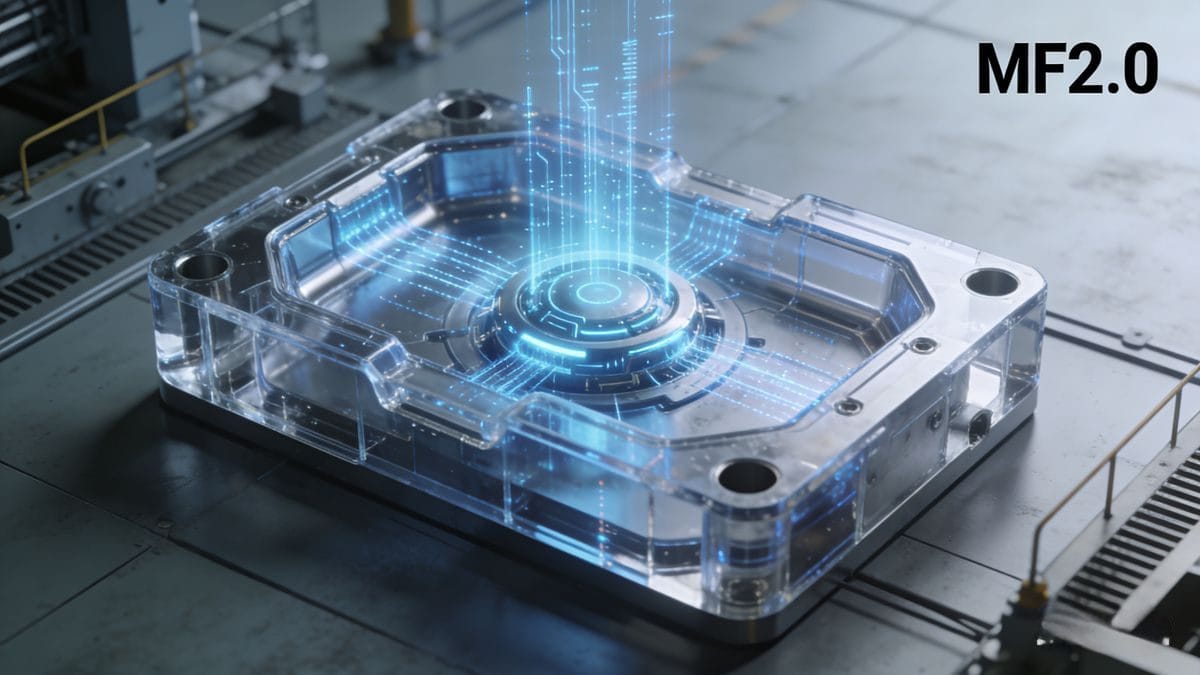
Integrating advanced technologies into mold flow analysis can be a game-changer. By moving beyond simple predictions, we can enhance the entire production process.
Mold Flow Analysis 2.0: AI-Augmented Simulation, Real-Time Optimization, and Closed-Loop Mold Validation?
Many professionals in the industry still rely on outdated methods for mold flow analysis. They miss out on the advantages of AI and real-time feedback. This new approach not only improves the accuracy of predictions but also allows for immediate adjustments.
AI-augmented simulation combined with real-time optimization creates a responsive system that adapts to changes in material behavior and process conditions. This method results in significant time savings and higher quality molds.

In-depth analysis reveals that traditional systems are limited in their ability to handle dynamic environments. Real-time data can identify potential issues as they arise, giving engineers the ability to make informed decisions on-the-fly. The closed-loop validation process ensures that every adjustment feeds back into the design and manufacturing systems. This way, we reduce trial-and-error occurrences and align our production goals with actual outcomes.
Beyond the Fill Study: A Strategic Framework for Mold Flow Analysis That Prevents Defects Before Tooling Begins?
Many in the industry focus solely on fill studies, but this narrow perspective can lead to defects later in production. A strategic framework must include comprehensive analysis that considers cooling, warping, and structural integrity.
By adopting a broader approach, we can anticipate challenges early on, reducing the need for rework and increasing efficiency. This thorough analysis acts as a safeguard against costly mistakes.
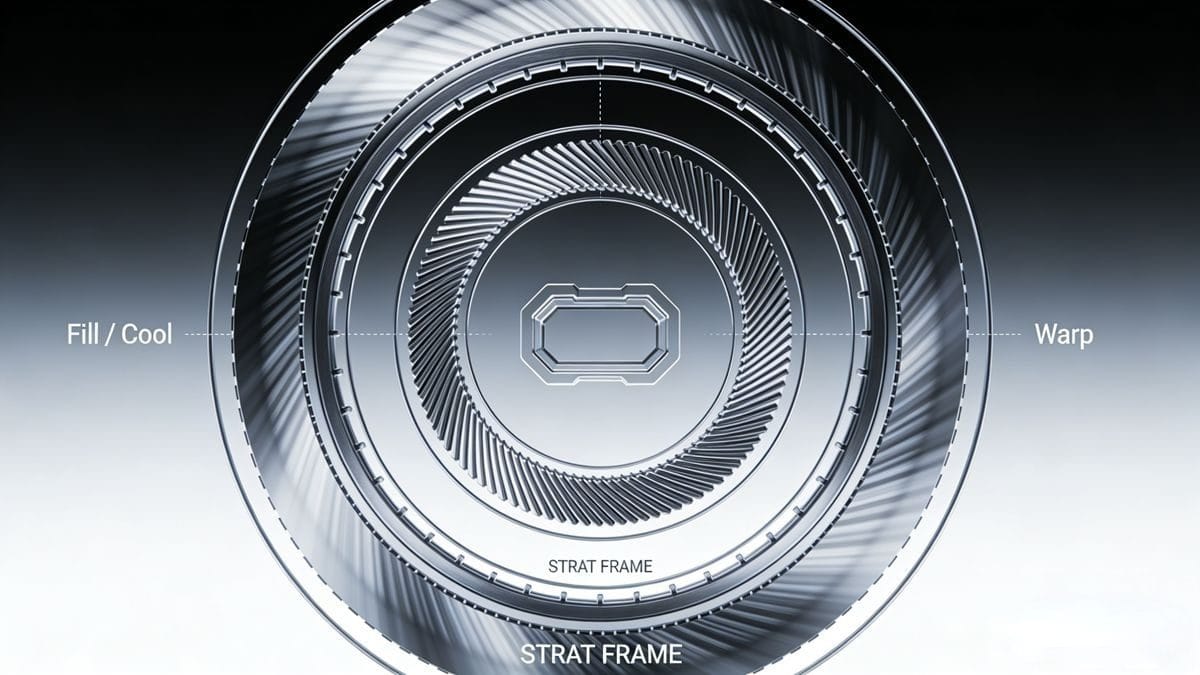
When we incorporate multiple factors into our analysis, we create a more robust design process. This strategy not only identifies potential defects but also helps in optimizing material usage and reducing waste. Ultimately, a comprehensive understanding of the entire molding process leads to a better final product.
The Zero-Trial Mold Protocol3: How Advanced Mold Flow Analysis Cuts Development Time by 50%+?
In a landscape where time is money, minimizing trial shots is essential. The Zero-Trial Mold Protocol3 leverages advanced mold flow analysis to achieve this goal.
With real-time data integration and AI, we can create molds that work perfectly on the first run, cutting development time significantly. This shift allows for a faster time-to-market and cost efficiency.
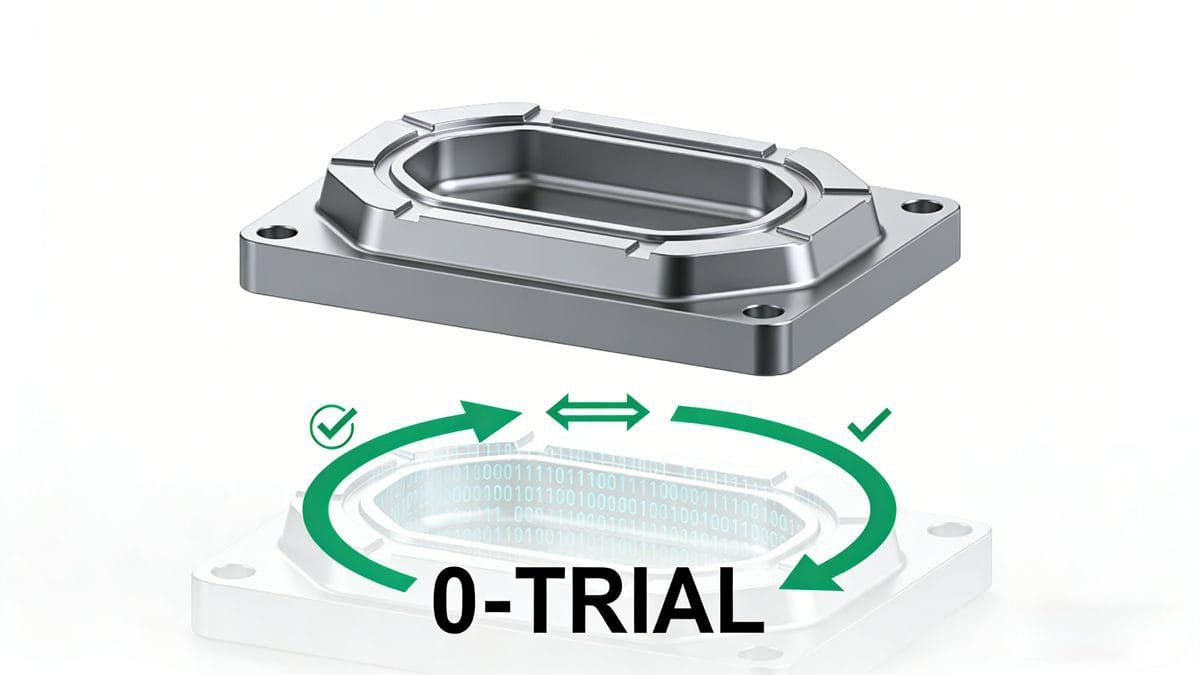
This protocol relies on continuous feedback from the production floor. By analyzing data throughout the manufacturing process, we can identify adjustments needed before the mold is even cut. Fewer trials mean less material waste and lower production costs. This efficiency not only benefits the manufacturer but also ensures a higher quality product for the client.
From Geometry to Yield: Integrating Mold Flow Analysis into Digital Thread Manufacturing?
Digital thread manufacturing connects various elements of the production process, from design to final assembly. Integrating mold flow analysis into this digital ecosystem enhances overall efficiency.
This integration allows for seamless communication between different stages, ensuring that any changes can be addressed immediately, leading to improved yields and fewer defects.

By incorporating mold flow analysis into the digital thread, we create a unified system that tracks data and performance in real-time. This transparency helps manufacturers make well-informed decisions and maintain high quality throughout the entire production lifecycle.
Why Your Mold Flow Report Is Outdated — And What Modern Simulation Demands in 2026?
As we look to the future, it's clear that traditional mold flow reports are becoming obsolete. The demands of modern manufacturing require more than just static reports; they need real-time insights.
To stay competitive, manufacturers must adopt advanced simulation tools that offer predictive capabilities and continuous feedback loops, ensuring all problems are addressed promptly.
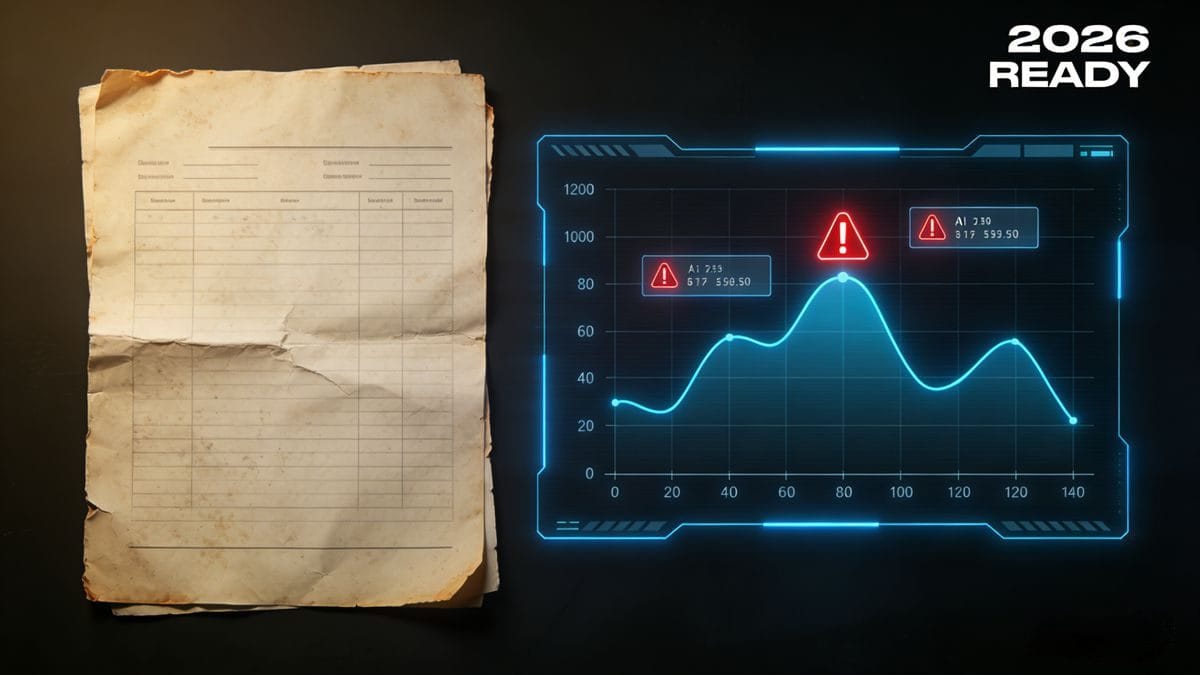
The shift toward active monitoring and real-time analysis will redefine how mold flow reports are generated and utilized. By embracing these advances, manufacturers can ensure that their processes remain agile and responsive to market needs.
The 7 Critical Checks Every Mold Flow Analysis Must Pass (Before You Cut Steel)?
Before cutting steel for a mold, there are essential checks that must be completed. These checks ensure that the design is sound and that potential issues are identified early.
The critical checks include evaluations of fill patterns, cooling efficiencies, and warpage predictions. Each must meet a specific threshold before proceeding to the next stage.

A structured approach to these checks minimizes risk and enhances the quality of the final product. By adhering to these criteria, we can systematically address potential weaknesses in the mold design.
Mold Flow Analysis Isn’t Optional Anymore: A Risk-Mitigation Imperative for High-Volume Injection Molding?
In high-volume injection molding1, the stakes are high. The cost of failure can be significant, making mold flow analysis a necessity rather than an option.
Implementing rigorous mold flow analysis helps mitigate risks and ensures a reliable production process, safeguarding against costly defects and delays.
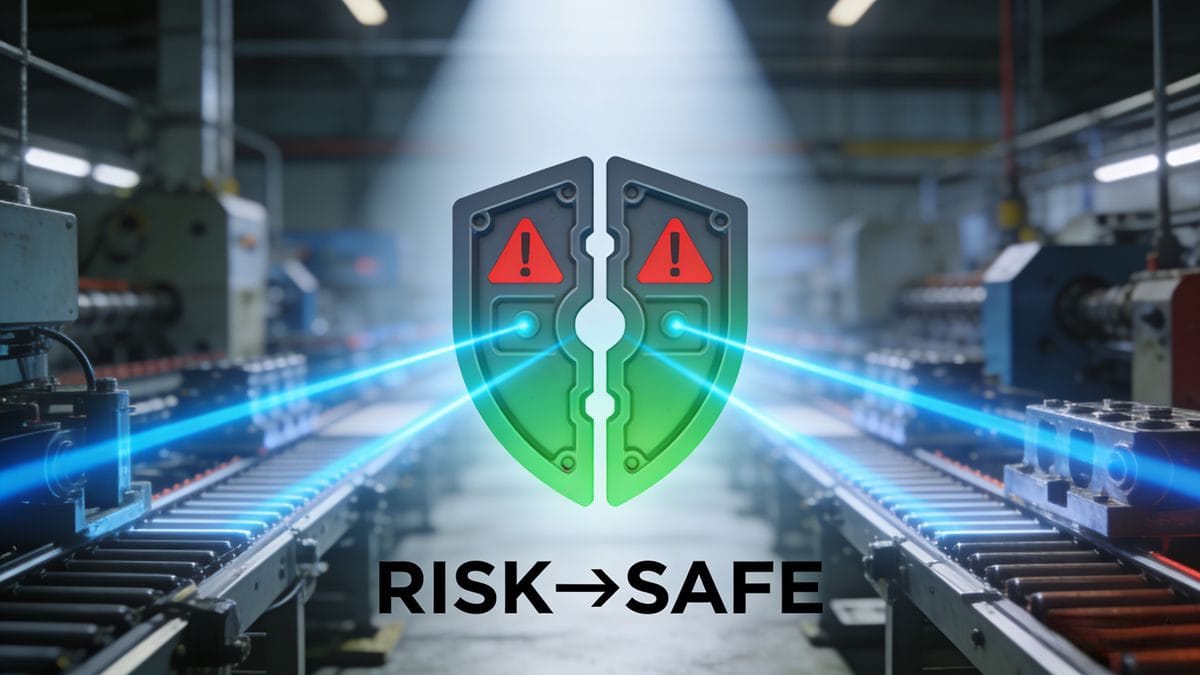
Adopting a proactive approach with advanced mold flow analysis not only improves quality but also instills confidence in the production process. As we move forward, companies that prioritize this analysis will lead the way in efficiency and innovation.
Conclusion
Mold Flow Analysis 2.0 is transforming the industry by reducing defects and improving efficiency, making it essential for modern manufacturing.
Explore this resource to discover cutting-edge techniques and innovations that can enhance your injection molding processes. ↩
Explore how Mold Flow Analysis 2.0 revolutionizes manufacturing with real-time data and AI for defect prevention. ↩
Learn how the Zero-Trial Mold Protocol can cut development time and reduce waste. ↩



 English
 French
 Dutch
Dutch German
 Japanese
 Korean