

Choosing the right thermoplastic for injection molding can be overwhelming. You face many choices that affect performance, cost, and manufacturability.
To answer this question, you need to consider the mechanical properties, the operating environment, and regulatory requirements of your part. Balancing these aspects ensures your project runs smoothly and efficiently.
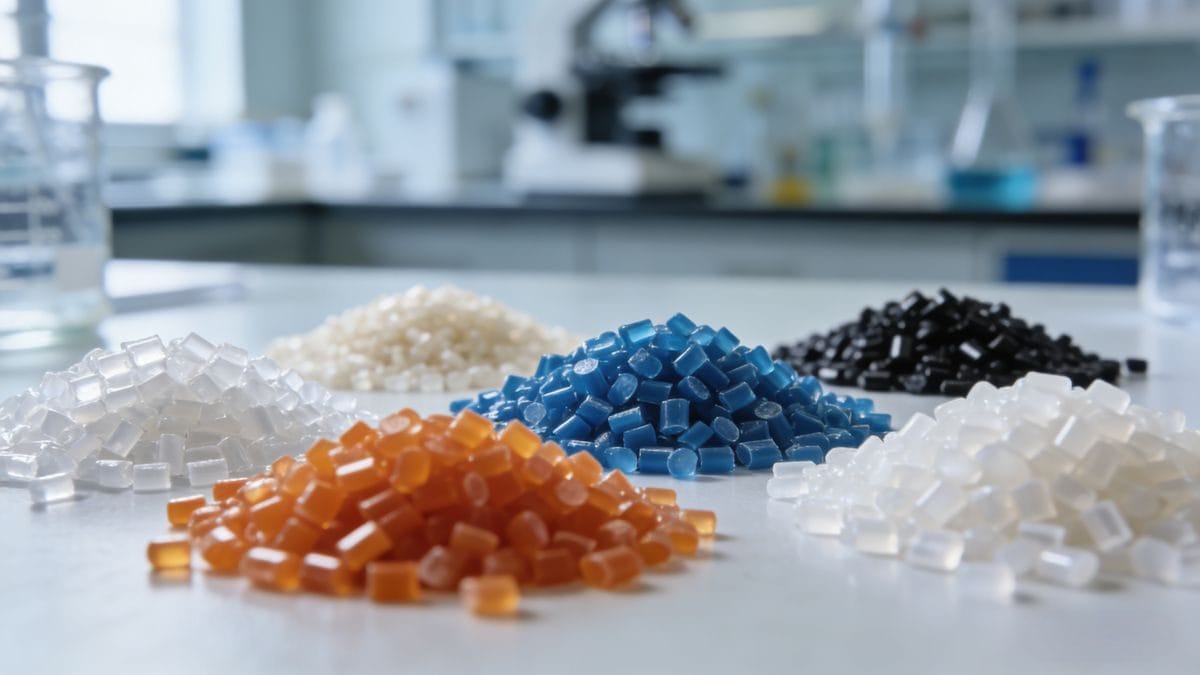
When selecting a thermoplastic, it is essential to understand the critical factors involved. Each thermoplastic has its unique properties, advantages, and drawbacks. Knowing these will help you make informed decisions. In this post, I will guide you through selecting the right thermoplastic for injection molding, ensuring you avoid common pitfalls and achieve your goals.
The Definitive Guide to Thermoplastic Selection for Injection Molding: Balancing Properties, Performance, and Cost?
Selecting the right thermoplastic is not just about picking the most popular or the least expensive option. It is about understanding the specific needs of your project and balancing them against your budget and timeline.
Start by identifying the mechanical stress your part will encounter, the environment it will operate in, and any regulatory needs. With this information, you can match these criteria with the thermoplastic's properties to find the best fit.

Choosing the right thermoplastic involves understanding both the material properties and performance needs. Each thermoplastic has unique characteristics, such as heat resistance, flexibility, and impact strength. By assessing these properties alongside your project requirements, you can streamline the selection process. Additionally, keeping costs in mind will ensure that you're not compromising quality for price, leading to better outcomes in the long run.
Beyond the Datasheet: A Practical 5-Step Framework for Selecting Injection Molding Resins?
To make thermoplastic selection easier, I’ve created a simple five-step framework. This method allows you to focus on the most critical aspects of your project while minimizing distractions from technical jargon.
1. Define Your Part's Requirements: Determine the mechanical stresses, environmental factors, and regulatory needs for your part.
2. Research Material Options: Look for thermoplastics that meet your requirements.
3. Analyze Performance Trade-Offs: Consider the advantages and disadvantages of each option.
4. Consult with Experts: Engage with material suppliers or engineers to gain deeper insights.
5. Evaluate Total Costs: Look beyond material costs to consider manufacturing and lifecycle costs.

Following this framework helps to clarify your path. By breaking down the decision-making process, you can focus on the most relevant factors and arrive at a well-balanced decision. It is crucial to consult with engineers and experienced professionals. Their insights could save you from costly mistakes and ensure you select the best material for your project.
Thermoplastics Decoded: An Engineer's Guide to Material Trade-Offs and Optimal Selection for Injection Molding?
Understanding the trade-offs between different thermoplastics is essential for making the right choice. Each material has its strengths and weaknesses, which can significantly impact your project's outcome.
For example, ABS is great for impact resistance but may not perform well in high-temperature applications. In contrast, Nylon offers excellent strength and flexibility, making it ideal for mechanical parts.
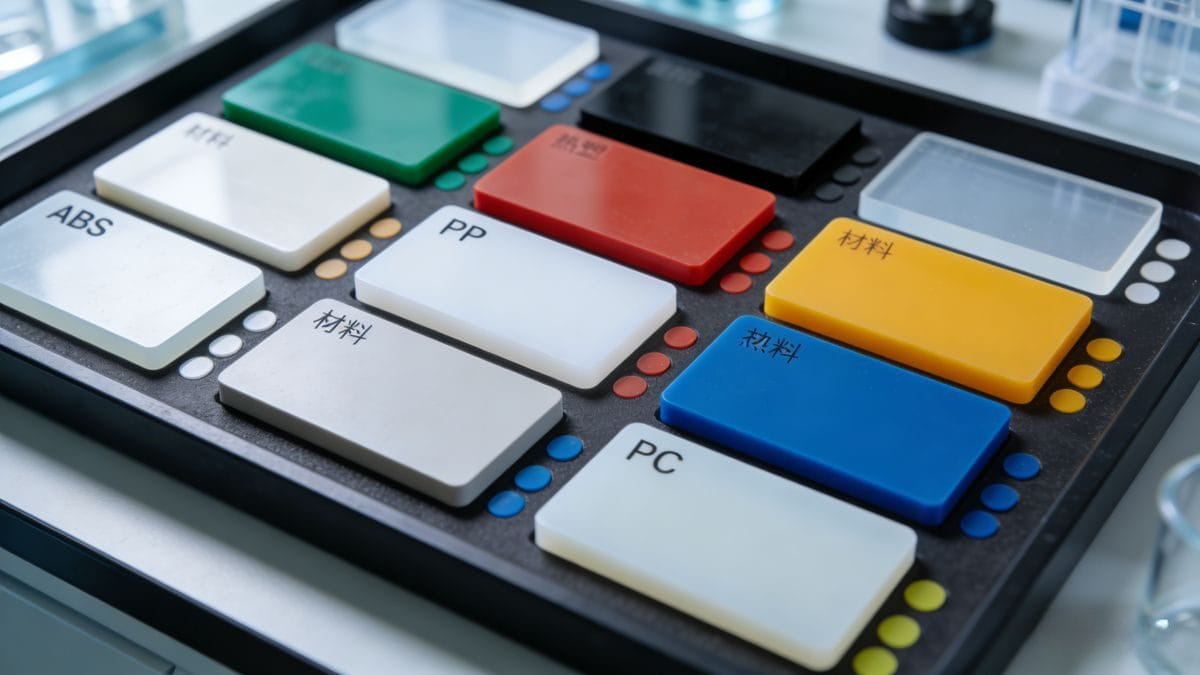
When considering thermoplastics, I often create a comparison table to visualize their properties. This process allows me to weigh the pros and cons more effectively. Here’s a simplified version:
| Material | Strength | Flexibility | Heat Resistance | Cost |
|---|---|---|---|---|
| ABS | Medium | High | Low | Low |
| PP | Low | Medium | Medium | Low |
| Nylon | High | High | Medium | Medium |
| PC | Medium | Low | High | High |
By breaking down materials in this way, I can see which thermoplastics align best with the project goals. Every project has unique requirements, and understanding these trade-offs is crucial in optimizing material selection for injection molding.
The Injection Molding Material Matrix: How to Systematically Choose Between ABS, PP, Nylon, PC, and More?
A systematic approach can simplify the selection process of thermoplastics. By categorizing materials based on specific criteria, you can determine the most suitable option.
Identify the key properties needed for your application and then cross-reference them with the material matrix. For instance, if you need high impact resistance and good heat stability, you might gravitate towards Nylon or PC.
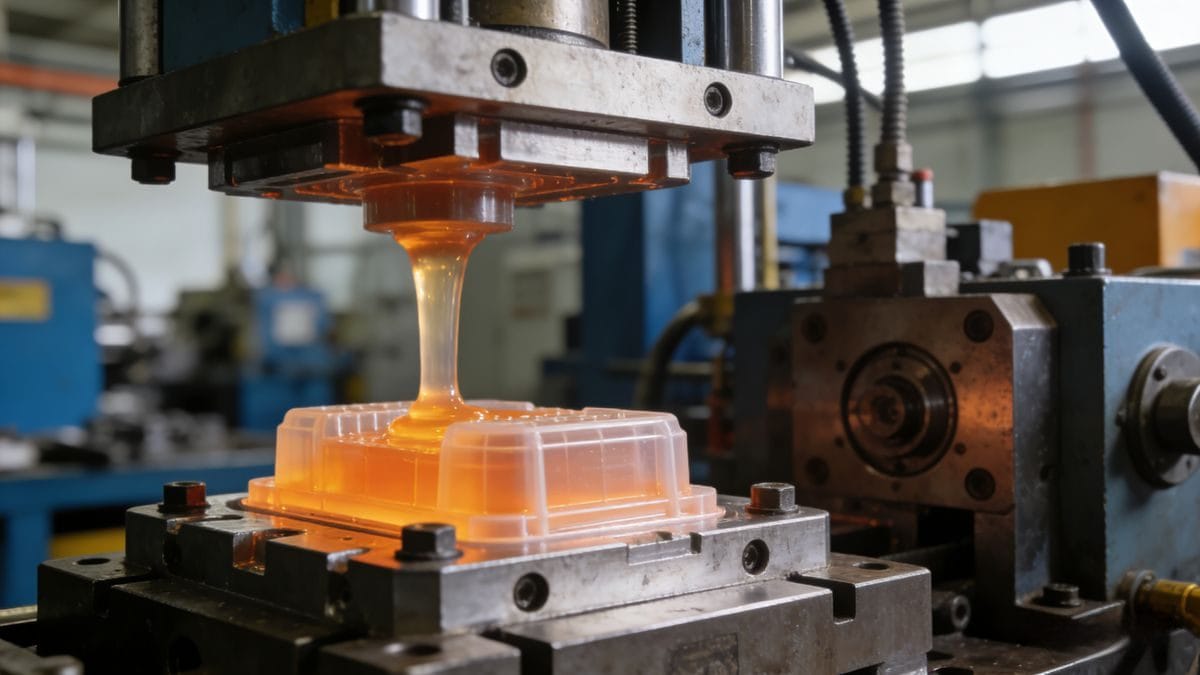
Creating a matrix can involve evaluating multiple factors, including mechanical properties, processing capabilities, and cost. This systematic method can clarify the options and help you make informed decisions. By organizing the information visually, it becomes easier to see the relationships between different thermoplastics and their suitability for your specific project.
From Prototype to Production: The Complete Lifecycle Guide to Thermoplastic Selection for Injection Molding?
The journey from prototype to production is a critical phase in the injection molding process. Each stage presents unique challenges that can impact your thermoplastic selection.
During the prototyping phase, flexibility and ease of processing are essential. However, as you move towards production, you need to consider durability and cost-effectiveness.
To ensure a smooth transition, I recommend revisiting your thermoplastic selection at each stage. This practice helps adapt to changing requirements or new insights gained during testing. The goal is to maintain a balance between performance and cost throughout the product lifecycle. By staying engaged with your material choices, you can effectively navigate the complexities of thermoplastic selection and keep your project on track.
Avoiding Costly Mistakes: A Risk-Based Approach to Choosing the Right Thermoplastic for Your Injected Part?
Mistakes in thermoplastic selection can be expensive and time-consuming. A risk-based approach reduces the likelihood of errors by identifying potential pitfalls early in the process.
Start by assessing the risks associated with each thermoplastic option. Analyze factors like processing difficulty, performance under stress, and potential regulatory issues.
Taking a proactive approach allows you to identify weaknesses in your current selection. By evaluating risks and addressing them head-on, you can make more informed decisions. Consider reaching out to suppliers or industry experts for insights that can help mitigate these risks. Their experience may provide valuable information for making the right choice.
Conclusion
Choosing the right thermoplastic for injection molding involves understanding your part's requirements and balancing them with performance and cost factors.



 English
 French
 Dutch
Dutch German
 Japanese
 Korean